
Introduction
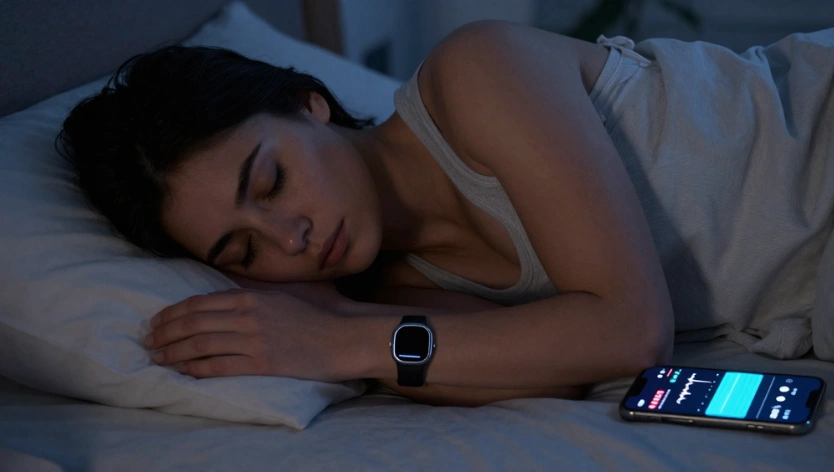
Choosing between a smart ring and a smartwatch is not just about deciding whether to wear technology on your finger or wrist. Both devices track health and activity, but they offer different ways to understand your habits, monitor fitness and stay connected. A smart ring focuses on discreet, passive health tracking. A smartwatch combines fitness monitoring with a display, GPS, notifications, apps and interactive features.
The difference becomes clearer when you consider how you plan to use your wearable. Someone interested in sleep tracking and recovery may prefer a ring, while a runner, cyclist or person who wants quick access to notifications may benefit more from a smartwatch.
This smart ring vs smartwatch comparison explores the differences that matter, including health tracking accuracy, sleep monitoring, workout performance, battery life, women’s health features, subscription costs and everyday comfort.
If you’re exploring other wearable options, see our Smart Wearables guide.
Smart Ring vs Smartwatch: Quick Comparison
| Feature | Smart Ring | Smartwatch |
| Design | Compact and discreet | Larger wrist-worn display |
| Sleep tracking | Strong focus on passive overnight monitoring | Available on many models |
| Health tracking | Heart rate, HRV, temperature trends and activity, depending on model | Broad health and fitness measurements |
| Workout tracking | Mostly passive or app-based | Live workout information and training tools |
| GPS | Usually relies on a connected phone | Built-in GPS on many models |
| Notifications | Limited or generally unavailable | Calls, messages and app alerts |
| Battery life | Often several days | Varies from less than a day to several days or longer |
| Comfort | Discreet, but sizing matters | Depends on case size and strap |
| Subscription | Depends on manufacturer | Often no mandatory subscription for basic watch functionality |
| Best suited for | Sleep, recovery and passive wellness tracking | Fitness, connectivity and interactive features |
The simple difference: A smart ring is generally designed to collect health information quietly in the background, while a smartwatch gives users more control and feedback during the day.
What Is a Smart Ring?
A smart ring is a compact wearable that looks similar to a traditional ring but contains sensors that collect health and activity information.
Depending on the model, it can monitor:
- Resting heart rate
- Heart rate variability (HRV)
- Sleep duration and estimated sleep stages
- Skin-temperature trends
- Daily activity and movement
- Blood oxygen estimates on supported models
- Recovery and readiness indicators
Unlike a smartwatch, most smart rings do not have a display. Users generally open a companion smartphone app to review their measurements and insights.
Popular examples include the Oura Ring 5, Samsung Galaxy Ring, RingConn Gen 3 and Ultrahuman Ring PRO.
Smart rings appeal to people who want health information without wearing a screen throughout the day. Their compact design can also make overnight tracking more comfortable for some users.
However, correct sizing is important. A ring that is too loose or too tight can affect comfort and sensor contact.
Explore More: Amazfit Active 2 vs Fitbit Versa 4 The Smarter Budget Fitness
What Is a Smartwatch?
A smartwatch is a wrist-worn device that combines health and fitness tracking with smartphone-style functionality.
Depending on the model, it may offer:
- Heart-rate monitoring
- Built-in GPS
- Workout modes and training metrics
- Sleep tracking
- Calls and message notifications
- Music controls
- Contactless payments
- Navigation and third-party apps
- Safety features such as fall detection or emergency SOS
Examples include the Apple Watch SE 3, Apple Watch Series 12, Garmin Venu 4, Google Pixel Watch 4 and Samsung Galaxy Watch Ultra2.
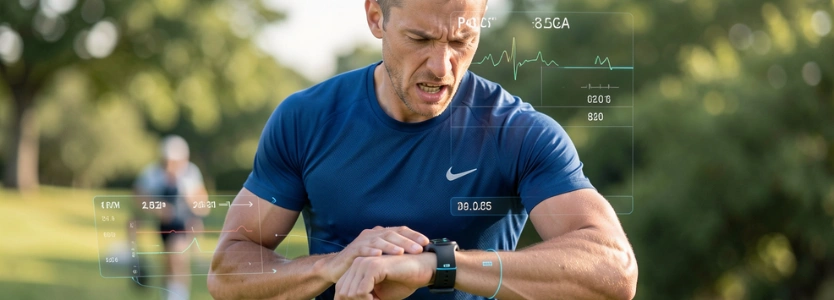
Unlike a smart ring, a smartwatch lets users view information directly on their wrist. This is particularly useful during exercise, when checking pace, distance, heart-rate zones or workout duration.
The smartwatch experience also depends heavily on smartphone compatibility. Apple Watch models require an iPhone, while Google Pixel Watch models are designed for compatible Android phones. Garmin supports both major smartphone platforms, although individual features can vary.
Read More: Best Wearables for Kids & Families in 2026
Smart Ring vs Smartwatch: 9 Key Differences
1. Comfort and Everyday Wear
Comfort is one of the first differences people notice when comparing a smart ring vs smartwatch.
A smart ring is compact, screen-free and designed to blend into everyday jewellery. Once properly sized, it can be convenient to wear during work, daily activities and sleep.
A smartwatch has a larger presence on the wrist. Some people enjoy having a display available throughout the day, while others find the size noticeable during sleep, weight training or certain daily activities.
Rings have their own comfort considerations. Finger size can change with temperature and activity, and a poorly fitted ring may feel uncomfortable or affect sensor contact.
People who lift weights, use heavy gym equipment or perform manual work may also prefer removing a ring to avoid pressure, scratches or injury.
Which is better?
A smart ring may suit people who prefer discreet wearables and minimal screen interaction. A smartwatch may feel more natural to someone who already wears a watch and wants information readily available.
Check Out: Wearable Sleep Tracking
2. Sleep Tracking Experience
Sleep tracking is one area where smart rings have a practical advantage for many users.
Their smaller design can make overnight wear more comfortable, particularly for people who dislike sleeping with a watch on their wrist.
Depending on the model, smart rings can collect overnight measurements such as:
- Resting heart rate
- Heart rate variability
- Skin-temperature trends
- Sleep duration
- Estimated sleep stages
- Overnight movement
The Oura Ring 5, Samsung Galaxy Ring and RingConn Gen 3 are examples of products that place considerable emphasis on passive health and sleep insights.
Smartwatches also offer sleep tracking. Devices such as the Apple Watch Series 12 and Garmin Venu 4 can record sleep-related information and present it through their respective health platforms.
However, the larger case and charging routine may affect whether someone wants to wear a watch throughout the night.
An important distinction is that consumer wearables estimate sleep stages and related metrics. They are not equivalent to a clinical sleep study.
Which is better?
A smart ring may be more comfortable for consistent overnight tracking. A smartwatch remains a capable option if you already find it comfortable to wear while sleeping.
For a closer look at sleep-focused devices, explore our Best Sleep Tracker Wearables guide.
Check Out: AI-Powered Wearable Insights
3. Workout Tracking and Real-Time Feedback
During exercise, the smartwatch’s display becomes a significant advantage.
A smartwatch can show workout information while an activity is happening. Depending on the model, users may be able to check:
- Current heart rate
- Pace and distance
- Workout duration
- Heart-rate zones
- GPS route information
- Training and performance metrics
This is useful for runners, cyclists and people following structured exercise programmes.
For example, the Garmin Venu 4 offers multi-band GPS, training readiness and workout features. The Apple Watch Series 12 provides workout tracking alongside Apple’s health and fitness ecosystem.
Smart rings can record activity and selected workout-related information, but the experience is generally more passive. Users usually review the results in the companion app after exercise rather than relying on a live display.
A ring may be sufficient for people who want an overview of daily movement and activity trends. However, it is less suitable as a replacement for a dedicated sports watch when live training feedback matters.
Which is better?
A smartwatch is generally the stronger choice for structured workouts, GPS activities and real-time performance information.
If running is your priority, explore our Best Garmin Watch for Running guide.
4. Recovery and Long-Term Health Trends
Not everyone wants a wearable primarily for exercise performance. Some people are more interested in understanding sleep patterns, resting heart rate, HRV and changes in everyday activity.
Smart rings are designed around this type of passive tracking. Their companion apps often turn collected measurements into readiness, recovery or wellness scores.
The Oura Ring 5, Ultrahuman Ring PRO and RingConn Gen 3 are examples of smart rings that emphasize health trends and recovery-related insights.
Smartwatches also provide wellness and recovery information. Garmin devices, for example, combine activity data with training and recovery-related features, while Apple Watch integrates health and fitness information into Apple’s ecosystem.
However, a readiness score is an algorithmic estimate, not a direct measurement of how healthy or recovered someone is.
The most useful approach is to look at longer-term patterns rather than treating a single score as a definitive instruction about exercise or rest.
Which is better?
A smart ring may suit people who prefer passive recovery insights. A smartwatch may be more useful for people who want to connect those insights with workout performance and training activity.
5. Smart Ring vs Smartwatch Accuracy: Which Tracks Health Better?
Accuracy is more complicated than choosing between a finger and a wrist.
Smart rings and smartwatches use different sensor arrangements, algorithms and measurement methods. Results can change with device fit, movement, skin contact, temperature and the activity being recorded.
The better device depends on the metric being measured.
Overnight heart rate and HRV
A properly fitted smart ring can collect useful overnight heart-rate and HRV trends. Some users may find finger-based tracking convenient during periods of limited movement.
Smartwatches also monitor heart rate and HRV, although results depend on the individual model and measurement conditions.
Sleep duration and sleep stages
Both devices estimate sleep patterns using sensor information and software algorithms.
Research comparing consumer sleep trackers with polysomnography, the clinical reference method for sleep assessment, has found that performance varies between devices and metrics. A 2026 systematic review of finger-worn devices also identified limitations in detailed sleep-stage classification.
This means a smart ring should not automatically be considered more accurate for every sleep measurement.
Workout heart rate and GPS
Smartwatches offer a more complete exercise experience because many models combine heart-rate measurements with built-in GPS and live workout feedback.
Smart rings can record activity and selected workout measurements, but they are not designed to provide the same level of interactive training information.
How to get more useful readings
- Choose the correct ring size or watch strap fit.
- Wear the device according to the manufacturer’s instructions.
- Keep the software and companion app updated.
- Compare trends over time instead of reacting to individual readings.
- Treat consumer wellness metrics as estimates, not medical diagnoses.
Which is better?
Neither form factor is universally more accurate across every metric. Compare the specific measurements, device models and independent validation evidence that matter to your routine.
6. Battery Life and Charging Routine
Battery life can influence how consistently you use a wearable.
Smart rings often last several days between charges because they do not need to power a large display. Some current manufacturers advertise battery life approaching or exceeding a week, depending on the model and usage.
Smartwatches have more features competing for battery power. Bright displays, GPS tracking, cellular connectivity and frequent notifications can shorten the time between charges.
However, smartwatch battery life varies considerably.
For example:
- Apple Watch SE 3: up to 18 hours of typical use.
- Google Pixel Watch 4: up to 40 hours, depending on configuration and usage.
- Garmin Venu 4: up to 10 days for the 41mm version and up to 12 days for the 45mm version in smartwatch mode.
These are manufacturer estimates, not guaranteed real-world results. GPS, always-on displays, notifications and other settings can change battery performance.
Charging routines also matter for people who want continuous sleep and activity information. If a device is regularly unavailable because it needs charging, tracking gaps can occur.
Which is better?
Smart rings often have an advantage in low-maintenance charging. However, fitness-focused watches such as Garmin models can last considerably longer than many full-featured smartwatches.
Compare the battery specifications of the actual models rather than assuming every watch needs daily charging.
Read More : Wearable Technology Deals
7. Notifications and Digital Distractions
Smartwatches are designed to keep users connected.
Calls, messages, calendar reminders and app notifications can appear directly on the wrist. This can reduce the need to check a phone, but it may also increase interruptions throughout the day.
Most smart rings take a quieter approach. They generally focus on collecting information and presenting it later through a companion app rather than displaying a constant stream of notifications.
For people trying to reduce screen time, this difference can be meaningful.
Which is better?
A ring is a better fit for people who prefer fewer digital interruptions. A smartwatch is more convenient for people who want to stay connected without regularly reaching for their phone.
Read More: Smart Gadgets for Travel That Solve Real Problems
8. App Ecosystem and Device Compatibility
Smartwatches generally offer a broader app and device ecosystem.
The Apple Watch integrates with the iPhone and Apple’s health and fitness services. Samsung Galaxy watches connect with Samsung Health and compatible Android devices, while Google Pixel Watch models work within Google’s ecosystem.
Smart rings tend to have a narrower focus. Their companion apps concentrate on health measurements, sleep, activity, recovery and longer-term trends.
Compatibility deserves attention before buying.
- Apple Watch requires a compatible iPhone.
- Google Pixel Watch is designed for compatible Android phones.
- Samsung Galaxy Ring works with compatible Android devices, with some features tied to Samsung’s ecosystem.
- Oura, RingConn and Ultrahuman use their respective companion apps and supported smartphone platforms.
Some features may require a particular smartphone, operating system or manufacturer account. Certain health features may also be limited by region or device combination.
Which is better?
Choose a smartwatch if you want a broader connected-device experience. A smart ring may be more suitable if your priority is a focused health-tracking companion.
9. Style, Sizing and Durability
A smart ring looks more like jewellery, which makes it appealing to people who prefer technology that does not stand out.
A smartwatch has a more recognisable tech-focused appearance, although different case sizes, straps and finishes allow users to personalise its look.
Durability is not simply a matter of choosing one category over the other.
Smart rings can develop scratches from contact with gym equipment, tools and hard surfaces. Correct sizing is also important because fingers may swell during exercise or in warmer conditions.
Smartwatches can experience screen scratches, strap wear and damage from impacts. Their larger displays may need additional protection depending on the user’s routine.
Before purchasing a ring, check whether the manufacturer provides a sizing kit. Wearing a sample ring for a period of time can help identify fit and comfort issues before committing to the final size.
Check Now: Apple Watch SE 3 vs Garmin Forerunner 70 Which Smartwatch Is Better
Read More: Best Sleep Tracker Wearables of 2026: Science Backed Picks for Every Sleeper
Smart Ring vs Smartwatch for Women’s Health
Women’s health tracking is another area where the choice can depend on individual needs.
Some smart rings use skin-temperature trends, sleep information and other measurements to support cycle-related estimates in compatible apps. Their overnight wearability can make them convenient for collecting consistent data.
Smartwatches may also provide cycle tracking and related health features, depending on the device and software.
For example, the Apple Watch Series 12 and Garmin Venu 4 include women’s health features, with temperature-related information supporting certain cycle insights.
However, the availability and functionality of these features vary.
When comparing smart rings and smartwatches for women’s health, consider:
- Skin-temperature tracking
- Menstrual-cycle awareness
- Period predictions
- Fertile-window estimates
- Historical data and trend reports
- App compatibility and privacy policies
Temperature trends and cycle predictions should not be treated as guaranteed indicators of ovulation, pregnancy or a medical condition.
Wearable cycle tracking is not a substitute for contraception, diagnosis or medical advice. Always check the manufacturer’s guidance on how its particular feature is intended to be used.
Which is better?
A smart ring may appeal to someone who prioritizes passive overnight tracking. A smartwatch may suit someone who wants cycle-related insights alongside workouts, notifications and other health features.
The companion app and supported measurements matter more than the form factor alone.
Check Out: How Wearable Technology Works
Smart Ring Subscription Costs and Long-Term Value
The initial purchase price does not always tell the full story.
Some smart rings require a recurring membership to access detailed health insights, while others include their core tracking features without a mandatory subscription.
For example, Oura Membership currently costs $5.99 per month or $69.99 per year in the United States. New members receive an included first month with their ring purchase.
RingConn and Ultrahuman advertise core health insights without requiring a mandatory membership. Optional services and additional features may have separate costs.
Smartwatches often provide their core tracking and device functions without a mandatory monthly subscription, although some ecosystems offer optional premium services.
Before buying, compare:
- Initial device price.
- Mandatory membership fees.
- Optional app subscriptions.
- Charging accessories.
- Warranty and replacement costs.
- Smartphone compatibility requirements.
For example, an Oura Ring may have a lower initial price than some premium smartwatches, but its membership increases the long-term cost.
A subscription-free ring may have a higher upfront price but a different ownership-cost profile.
Which is better?
The best value depends on how long you plan to use the device and whether you are willing to pay for recurring health insights.
Check Out: Affordable Smartwatches
Smart Rings Worth Considering in 2026
These models represent different approaches to smart-ring tracking. They are examples to compare, not claims of independent hands-on testing. Prices below are US manufacturer-listed starting prices checked in November 2026 and may change.
| Model | Main appeal | Starting price | What to consider |
| Oura Ring 5 | Broad health, sleep and recovery insights | $399 | Requires an Oura Membership for full insights |
| Samsung Galaxy Ring | Samsung Health integration and wellness tracking | $324.99 | Check Android and Samsung ecosystem compatibility |
| RingConn Gen 3 | Health tracking with no mandatory subscription | $349 | Compare its app and measurement features with alternatives |
| Ultrahuman Ring PRO | Sleep, recovery and health tracking without mandatory membership | $379 | Optional services may cost extra |
Read More: Wearable Technology Terminology
How to choose:
- Choose Oura if its app experience and health insights justify the membership cost.
- Consider Samsung Galaxy Ring if you already use compatible Samsung devices.
- Consider RingConn Gen 3 if avoiding recurring membership fees is important.
- Consider Ultrahuman Ring PRO if you prefer a subscription-free core tracking experience and its feature set suits your needs.
Always check the current sizing process, supported smartphone platforms, warranty and regional availability before ordering.
Smartwatches Worth Considering in 2026
Smartwatches offer a wider range of features, from everyday notifications to more advanced fitness and training tools.
| Model | Main appeal | Starting price | What to consider |
| Apple Watch SE 3 | Everyday Apple smartwatch features and fitness tracking | $249 | Requires a compatible iPhone |
| Apple Watch Series 12 | Broader health features and Apple ecosystem integration | $389.99 | Premium features may not be necessary for basic tracking |
| Garmin Venu 4 | Fitness, wellness and longer battery life | $537.16 | Compare its training features with your exercise routine |
| Google Pixel Watch 4 (41 mm) | Google and Android ecosystem integration | $226.33 | Check compatibility and battery expectations |
| Samsung Galaxy Watch Ultra2 | Rugged design and broader smartwatch functionality | $699.99 | Consider its size, price and charging requirements |
How to choose:
- Choose Apple Watch SE 3 for essential smartwatch features within the Apple ecosystem.
- Consider Apple Watch Series 12 if you want a wider range of health and safety features.
- Choose Garmin Venu 4 if fitness tracking, training features and battery life matter more than a large app ecosystem.
- Consider Pixel Watch 4 if you prefer Google’s Android ecosystem.
- Choose Galaxy Watch Ultra2 if you want a rugged premium smartwatch with outdoor-focused features.
For more Garmin comparisons, read our Garmin Smartwatch Review.
Prices are manufacturer-listed US starting prices checked in November 2026. Retailer promotions, configurations, taxes and availability can change.
Check Now: The Best Garmin Watch for Running
Can You Use a Smart Ring and Smartwatch Together?
Yes. Some people choose to wear both because they serve different purposes.
A smartwatch can handle daytime workouts, GPS, notifications and real-time activity information. A smart ring can provide a more discreet option for overnight sleep and recovery tracking.
This combination may be useful for people who want both experiences, but it is not necessary for everyone.
There are a few considerations:
- Both devices may record overlapping measurements.
- Their scores may differ because they use different algorithms.
- Wearing two devices adds charging and maintenance.
- Buying both increases the overall cost.
- Data from different platforms may not always synchronize seamlessly.
For example, a runner might use a Garmin watch during training and a smart ring for overnight sleep trends. Someone who mainly wants everyday wellness tracking may find one device sufficient.
Is wearing both worth it?
Consider using both only when the additional information and convenience justify the expense. For most people, one well-chosen wearable is enough.
Who Should Buy a Smart Ring?
A smart ring may be the better choice if you:
- Prefer a discreet, jewellery-like design.
- Want a screen-free wearable.
- Prioritize overnight comfort and sleep tracking.
- Want passive health and recovery trends.
- Prefer fewer notifications.
- Do not need live workout feedback or built-in GPS.
It is particularly appealing to people who want health information available through an app without wearing a screen throughout the day.
Who Should Buy a Smartwatch?
A smartwatch may be the better choice if you:
- Want live workout information.
- Need GPS for outdoor activities.
- Prefer calls, messages and notifications on your wrist.
- Use fitness apps and structured training features.
- Want access to payments, music and other connected functions.
- Prefer viewing information directly on the device.
For runners, cyclists, gym users and people who rely on everyday connectivity, a smartwatch usually offers more flexibility.
Final Verdict: Smart Ring or Smartwatch?
The choice between a smart ring and a smartwatch comes down to how you want to use wearable technology.
A smart ring offers discreet, passive tracking and can be convenient for sleep, recovery and everyday wellness trends. A smartwatch offers a more interactive experience with live workout metrics, GPS, notifications and a broader app ecosystem.
Neither device is the automatic winner.
If you value simplicity, overnight comfort and passive tracking, consider a smart ring. If you want a connected fitness and productivity companion, a smartwatch is likely to be the more practical choice.
You can also use both if their complementary features justify the extra cost, but buying two devices is not essential for getting useful health and fitness information.
Ultimately, the best wearable is the one that fits your routine, feels comfortable and provides information you will actually use.
Explore more options in our Smart Wearables guide.
Frequently Asked Questions
1. Is a smart ring more accurate than a smartwatch
Not across every measurement. Accuracy depends on the device, sensor placement, fit, activity and metric being measured. Smart rings can provide useful overnight heart-rate and HRV trends, while smartwatches offer more complete GPS and workout tracking. Compare specific models rather than assuming one category is always more accurate.
2. Can a smart ring replace a smartwatch completely
It depends on your routine. A smart ring may be sufficient if you mainly want sleep tracking, recovery insights and passive wellness monitoring. However, if you rely on notifications, calls, GPS, apps and real-time workout information, a smartwatch remains more practical.
3. Which is better for gym workouts
Smartwatches are generally better for structured gym workouts because their displays provide live workout information, timers and heart-rate feedback. Smart rings can track selected activity and health trends but are not designed to replace a dedicated workout watch. Rings may also need to be removed during weightlifting for comfort and safety.
4. Do smart rings have better battery life
Many smart rings last several days between charges, and some newer models advertise around a week or more. However, smartwatch battery life varies considerably. A Garmin Venu 4 can last up to 10–12 days in smartwatch mode, while an Apple Watch SE 3 is rated for up to 18 hours of typical use.
5. Are smart rings comfortable to wear all day
Comfort depends on the ring’s size, design and the wearer’s routine. Many people prefer their compact design, but finger swelling can affect fit. Use the manufacturer’s sizing kit and check comfort during everyday activities before purchasing.
6. Which device is better for sleep tracking
Smart rings may be more comfortable for overnight wear because of their smaller design. Smartwatches also offer sleep tracking, and performance varies by model. Neither should be treated as a replacement for a clinical sleep study.
7. Is it worth owning both a smart ring and a smartwatch
It can make sense if you want live workout tracking from a watch and passive overnight health tracking from a ring. However, both devices add to the cost and may collect overlapping information. One suitable wearable is enough for many users.
8. Which option is better for minimalists
A smart ring is generally a better fit for people who prefer fewer notifications, less screen time and discreet design. A smartwatch is more useful for people who want information and connected features available directly on their wrist.
9. Do smart rings require a monthly subscription?
Not all of them. Oura requires a membership for its full set of health insights, while RingConn and Ultrahuman advertise core tracking without a mandatory membership. Check each manufacturer’s current terms before purchasing.
9. Which is better for women’s health tracking?
Both devices can offer women’s health features, depending on the model and app. Smart rings may be convenient for overnight temperature trends, while some smartwatches combine cycle tracking with broader health and fitness features. Check supported features and their limitations before buying.
Sources and Further Reading
The specifications, product features and pricing references in this comparison were checked against manufacturer documentation and published research. Product prices and availability can change.
- Oura Ring 5 – Official Product Page
- Oura Membership and Pricing
- Samsung Galaxy Ring – Official Product Page
- RingConn Smart Ring Comparison
- Ultrahuman Ring PRO – Official Product Page
- Apple Watch – Official Store
- Garmin Venu 4 – Official Product Information
- Google Pixel Watch 4 – Official Product Page
- Samsung Galaxy Watch Ultra2 – Official Product Page
- 2026 Systematic Review of Finger-Worn Devices for Sleep Tracking
Product specifications, prices and subscription terms should be rechecked before purchasing. Consumer wearable measurements are intended for wellness and fitness insights and should not be treated as medical diagnoses.
Read More: Smart Wearable Technology

[…] Read More: Smart Ring vs Smartwatch […]
vardenafil hydrochloride
vardenafil hydrochloride
cialis in canada
cialis in canada
viagra for men buy online
viagra for men buy online
[…] Read More: Smart Rings vs Smartwatches: Which Should You Buy? […]
buy antibiotics for uti
buy antibiotics for uti
[…] Read More: Smart Rings vs Smartwatches: Which Should You Buy? […]
[…] Read More: Smart Rings vs Smartwatches: Which Should You Buy? […]
what is misoprostol
what is misoprostol
udenafil 100mg
udenafil 100mg
[…] Read More: Smart Rings vs Smartwatches: Which Should You Buy? […]
[…] Read More: Smart Rings vs Smartwatches: Which Should You Buy? […]
orlistat tablets australia
orlistat tablets australia
[…] Read More: Smart Ring vs Smartwatch Which One Truly Fits Your Lifestyle […]
tadalafil libido women
tadalafil libido women
viagra connect nearby
viagra connect nearby
avanafil stendra pills
avanafil stendra pills
doxycycline monohydrate for skin infection
doxycycline monohydrate for skin infection
tadalafil on demand
tadalafil on demand
bupropion brand name in pakistan
bupropion brand name in pakistan
orlistat reviews
orlistat reviews
ivermectin for strongyloidiasis
ivermectin for strongyloidiasis
minoxidil 2% vs 5% thickness improvement
minoxidil 2% vs 5% thickness improvement
vardenafil food guidelines
vardenafil food guidelines
orlistat mechanism impact
orlistat mechanism impact
augmentin vs amoxicillin pros and cons
augmentin vs amoxicillin pros and cons
bronchitis first‑line treatment
bronchitis first‑line treatment
sildenafil vs tadalafil
sildenafil vs tadalafil
tadalafil interaction warnings
tadalafil interaction warnings
Indian tadalafil product landscape
Indian tadalafil product landscape
cephalexin medication access guide
cephalexin medication access guide