
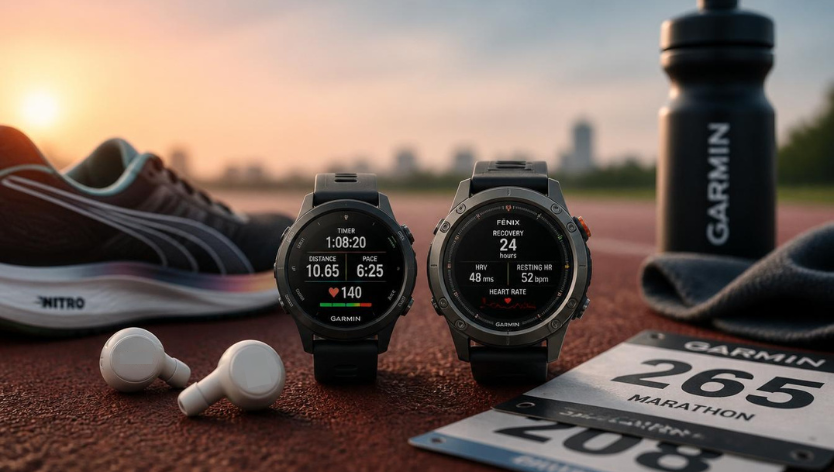
The best Garmin watch for running in 2026 isn’t necessarily the most expensive one. While premium Garmin models offer advanced training metrics and extreme battery life, mid-range options like the Forerunner 265 and Instinct 2 deliver excellent fitness tracking, accurate GPS, and smart features at a far better value for most runners.
Introduction
Garmin’s smartwatch lineup has become surprisingly complicated over the last few years. What started as a simple choice between a running watch and a fitness tracker has turned into a massive ecosystem filled with AMOLED displays, multisport tools, recovery metrics, offline maps, and ultra-long battery life claims. That’s why finding the Best Garmin Watch for Running now depends less on buying the most expensive model and more on understanding how you actually train.
Some runners want marathon-level metrics and dual-band GPS accuracy. Others simply want a lightweight smartwatch that tracks workouts, sleep, and recovery without needing daily charging. And increasingly, buyers are looking for a watch that balances fitness tracking with everyday usability.
Garmin now sits in an interesting space between hardcore athletic wearables and lifestyle smartwatches like the Apple Watch Ultra 2 and Samsung Galaxy Watch Ultra. The company still prioritizes athletes first, but newer AMOLED models have become much easier to wear all day.
For most people, the best Garmin running watch in 2026 is probably not the flagship Fenix model. It’s the watch that gives you the right mix of battery life, training features, comfort, and value without paying for adventure tools you may never use.
Check Out: Apple Watch SE 3 vs Garmin Forerunner 70
Best Garmin Watch for Running — Quick Comparison
| Feature | Garmin Forerunner 265 | Garmin Fenix 8 |
| Price | Mid-range | Premium |
| Battery Life | Up to 13 days | Up to 29 days |
| Display | AMOLED | AMOLED |
| Fitness Tracking | Excellent | Elite-level |
| Sleep Tracking | Advanced | Advanced |
| Smart Features | Strong | Strong |
| GPS Accuracy | Dual-band GPS | Multi-band GPS |
| Health Monitoring | HRV, SpO2, stress | HRV, ECG, SpO2 |
| Best For | Most runners | Endurance athletes |
Design & Everyday Experience
One of the biggest differences between Garmin’s watch lineup is how each model feels outside workouts. The Garmin Forerunner 265 has become one of the best Garmin watches for everyday use because it balances athletic design with comfort. It’s light enough for sleep tracking, slim enough for office wear, and finally includes an AMOLED display that feels modern compared to older Garmin screens. That AMOLED upgrade matters more than many runners expect. Menus look cleaner, maps are easier to read, and smartwatch features feel far less dated.
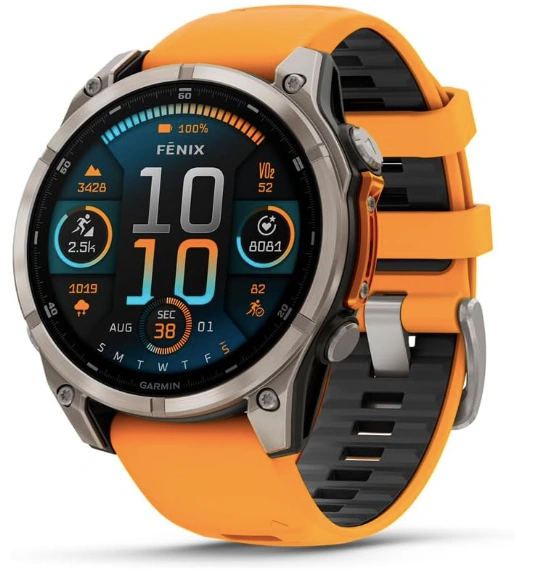
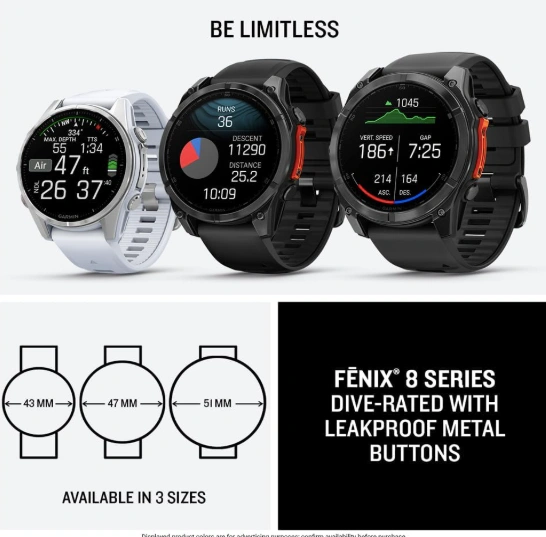
The Garmin Fenix 8 takes a completely different approach. It’s larger, heavier, and built more like an outdoor adventure watch. Titanium construction, rugged durability, and extended battery life make it ideal for trail runners, hikers, and endurance athletes, but it can feel oversized for casual everyday wear. Garmin’s button-first navigation also remains divisive.
Some runners love having physical controls during sweaty workouts or winter runs. Others coming from an Apple Watch may find the interface less intuitive initially. The good news is that Garmin’s newer touchscreen models are far easier to use than older generations.
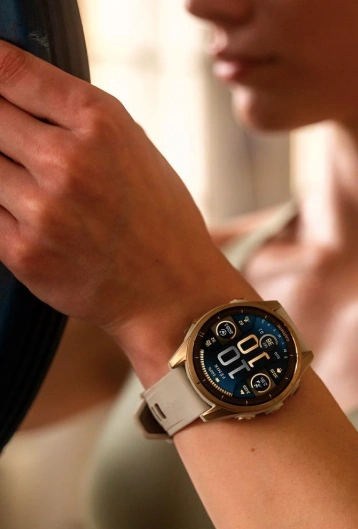
For buyers wanting the best Garmin watches for women or smaller wrists, the Forerunner series is usually more comfortable than Fenix models. Meanwhile, runners prioritizing ruggedness and outdoor durability may still prefer the chunkier Fenix design. Garmin’s display strategy has also improved dramatically. Older MIP displays still offer incredible battery life and sunlight visibility, but AMOLED Garmin watches now dominate the mainstream lineup because they simply feel more premium in daily use.
Explore More: Future Wearable Technology
Fitness Tracking & Workout Features
This is where Garmin continues to separate itself from most mainstream smartwatches. While devices like the Apple Watch Series 10 excel at notifications, apps, and lifestyle features, Garmin still offers some of the best fitness tracking tools available on any wearable. The Forerunner 265 is arguably the sweet spot for most runners.
You get:
- Dual-band GPS
- VO2 Max tracking
- Training readiness
- HRV status
- Race widgets
- Garmin Coach
- Recovery insights
- Advanced running dynamics
That’s already far more data than casual runners realistically need.
The Fenix lineup adds even more depth with endurance scoring, hill scoring, offline topographic maps, expedition modes, and expanded multisport functionality. But unless you regularly train for ultras, triathlons, or long-distance trail events, many of those premium features can go unused.
GPS accuracy has become one of Garmin’s strongest advantages. Modern Garmin watches now support multi-band satellite systems that dramatically improve route accuracy in dense cities and wooded trails. For runners focused on pacing precision, this alone can justify moving from a mainstream smartwatch to a dedicated Garmin running watch. Garmin’s training ecosystem is also more mature than many competitors.
The company combines:
- Training load analysis
- Readiness scoring
- Recovery time
- Sleep quality
- HRV trends
- Performance condition
into a broader picture of overall fitness. That’s why Garmin watches for runners feel more like training tools than simple step counters. The difference becomes especially noticeable during marathon training. A lifestyle-focused smartwatch may track your miles, but Garmin actively helps runners understand whether they’re overtraining, recovering properly, or improving performance over time.
Garmin Forerunner vs Fenix comparisons often come down to training style.
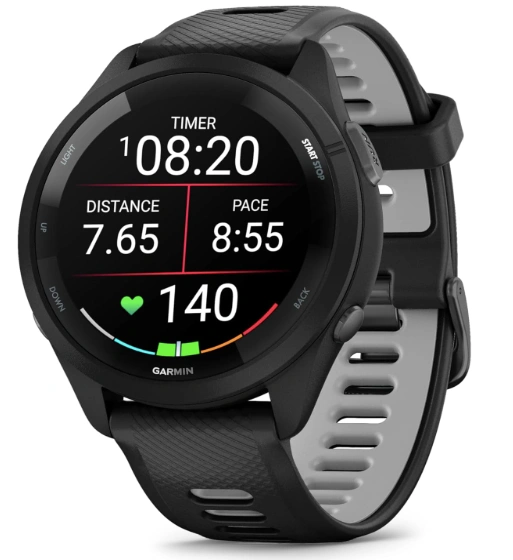
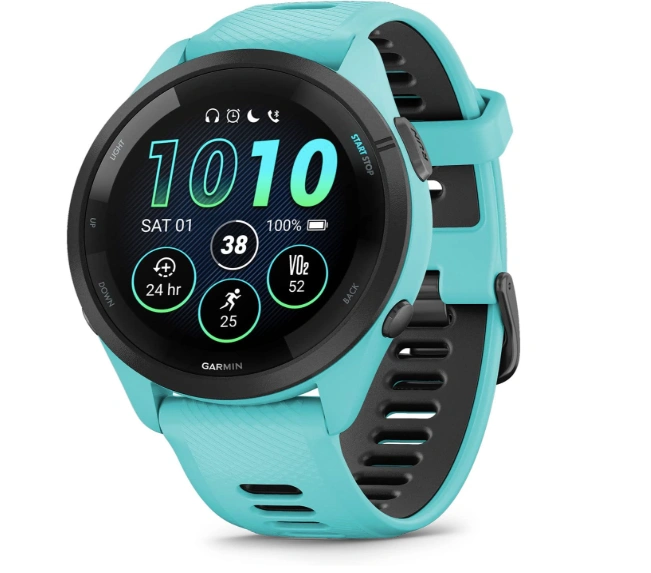
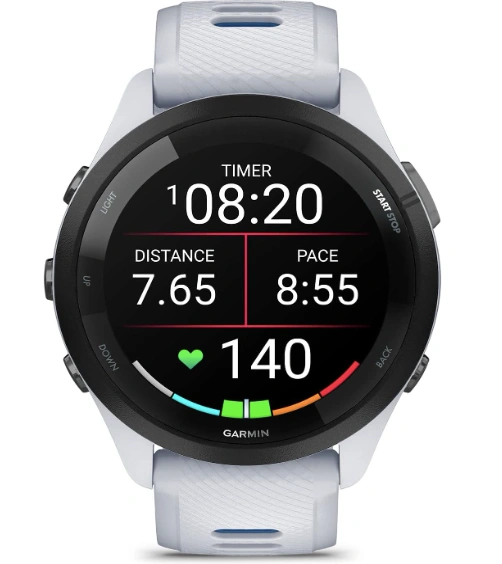
Choose the Forerunner lineup if:
- You mainly run roads
- You train several times weekly
- You want lighter comfort
- You value affordability
- You want the best Garmin watch for beginners
Choose the Fenix lineup if:
- You train outdoors frequently
- You hike or trail run
- You need navigation tools
- Battery life is critical
- You want a multisport Garmin watch
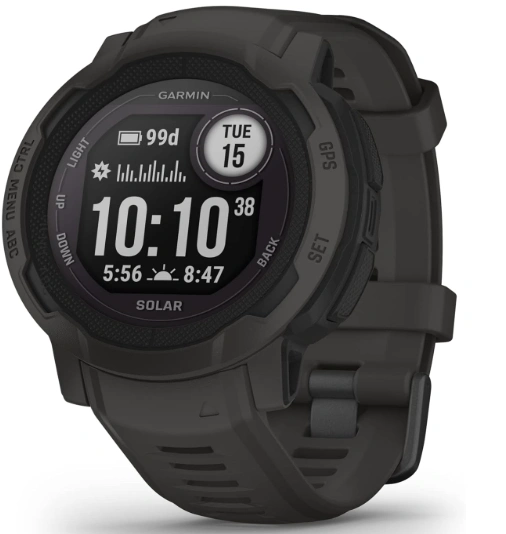
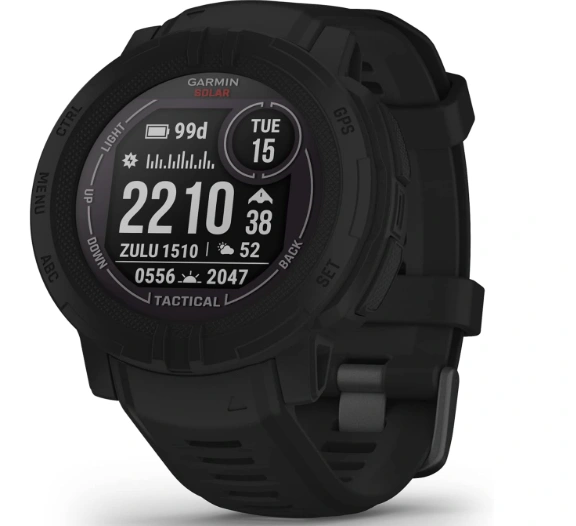
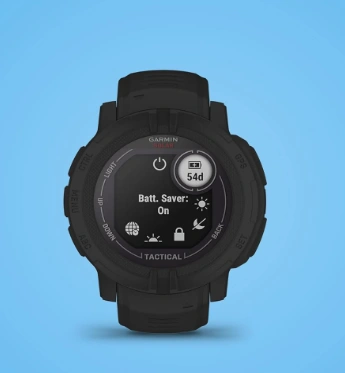
The Garmin Instinct 2 also deserves mention here because it has become one of the best budget Garmin running watches for battery-conscious athletes. Its rugged design looks polarizing, but battery life is exceptional, and fitness tracking remains extremely capable. Meanwhile, Garmin’s gym tracking has improved significantly.
Strength workouts now include:
- Rep counting
- Muscle maps
- Guided workouts
- Interval training
- HIIT modes
making Garmin increasingly competitive as the best Garmin watch for gym workouts too.
Read More: You Don’t Need an Expensive Smartwatch These Fitness Trackers
Health Features & Wellness Tracking
Garmin’s approach to wellness tracking feels fundamentally different from Apple or Samsung.
Instead of focusing primarily on medical-style alerts, Garmin emphasizes long-term recovery and performance readiness.
That means metrics like:
- HRV status
- Body Battery
- Recovery time
- Stress tracking
- Sleep coaching
- Training readiness
play a much larger role in the experience.
The Forerunner 265 offers excellent wellness tracking for most users. Sleep tracking accuracy has improved considerably over older generations, and Garmin’s morning reports now deliver genuinely useful recovery insights.
The Fenix 8 expands further with ECG support, enhanced mapping integration, and deeper outdoor wellness tools. Blood oxygen tracking remains available across much of Garmin’s lineup, although many runners disable continuous monitoring to preserve battery life. One area where Garmin still trails Apple is smart health notifications.
The Apple Watch ecosystem remains stronger for:
- Irregular heart rhythm alerts
- Deeper third-party health integrations
- Medical-focused wellness features
- Smartwatch accessibility
Garmin instead prioritizes athlete wellness and recovery metrics. That distinction matters because many buyers now expect one wearable to handle both health monitoring and serious training. For athletes, Garmin’s wellness system often feels more actionable. Instead of simply notifying you about elevated heart rate patterns, Garmin attempts to explain how sleep, stress, recovery, and workouts impact performance.
Check Out: Ultimate Garmin Smartwatch Review
Battery Life Comparison
Battery life is still one of Garmin’s biggest competitive advantages. Even Garmin’s AMOLED watches comfortably outperform most mainstream smartwatches. The Forerunner 265 can last nearly two weeks with moderate use, while GPS-heavy marathon training still leaves plenty of battery headroom. That changes how you use the device. You stop thinking about charging schedules entirely.
The Fenix 8 takes battery life even further. Multi-week endurance is realistic for many users, especially when using battery saver modes. For hikers, cyclists, and ultra runners, this becomes a major advantage. Long GPS workouts drain devices like the Apple Watch Ultra significantly faster than Garmin alternatives. Garmin watches with longest battery life simply create less charging anxiety during travel or race weekends.
Battery efficiency also impacts sleep tracking quality. A watch that needs charging every night can’t consistently monitor overnight recovery metrics. Garmin’s longer endurance makes continuous tracking far easier in real-world use. The Instinct series deserves special mention here too. Solar charging variants can extend usage dramatically during outdoor training, making them some of the best Garmin watches for trail running and expedition use.
Check Out: Apple Watch SE 3 vs Garmin Forerunner 70
Smart Features & Ecosystem
Garmin has improved its smartwatch experience, but it still approaches smart features differently from Apple or Samsung. This is still a fitness-watch-first ecosystem.
You get:
- Notifications
- Music storage
- Spotify downloads
- Garmin Pay
- Calendar syncing
- Weather tools
- Basic voice assistant integrations
but the experience remains more streamlined than fully app-driven smartwatches. That’s not necessarily bad. Many runners actually prefer Garmin’s lower-distraction approach.
The Forerunner 265 strikes one of the best balances between fitness and lifestyle functionality. Notifications are reliable, music support is excellent for workouts, and battery life stays strong despite the AMOLED display.
The Fenix 8 adds more advanced mapping, outdoor tools, and adventure functionality. But buyers expecting Apple Watch-level apps may still feel limited.
Garmin works best for users who prioritize:
- Training
- Recovery
- Battery life
- Outdoor activity
- Workout depth
over advanced smartwatch ecosystems. Compatibility also matters. Garmin works well with both Android and iPhone, whereas Apple Watch users remain locked into iOS. That makes Garmin appealing for Android runners wanting premium fitness tracking without ecosystem restrictions.
Who Should Buy Garmin Forerunner 265?
The Garmin Forerunner 265 is ideal for:
- Runners wanting the best Garmin watch for running without overspending
- Half marathon and marathon trainees
- Buyers wanting AMOLED displays
- Users prioritizing comfort and lightweight wear
- Gym-focused athletes
- People wanting strong battery life without bulky hardware
- Beginners wanting advanced training metrics
- Everyday users wanting balanced smartwatch features
Who Should Buy Garmin Fenix 8?
The Garmin Fenix 8 makes more sense for:
- Trail runners
- Endurance athletes
- Triathletes
- Cyclists
- Hikers
- Outdoor adventurers
- Users prioritizing navigation tools
- Athletes needing extreme battery life
- Buyers wanting premium rugged materials
- Multisport training enthusiasts
Check Out: Smart Ring vs Smartwatch Which One Truly Fits Your Lifestyle
Frequently Asked Questions
Which is the best Garmin watch for running in 2026?
For most runners, the Garmin Forerunner 265 offers the best balance of GPS accuracy, battery life, recovery metrics, and price.
Is Garmin better than Apple Watch for running?
Garmin generally offers deeper fitness tracking, longer battery life, and more advanced training insights, while Apple Watch delivers stronger smart features and app support.
Which Garmin watch has the best battery life?
Garmin generally offers deeper fitness tracking, longer battery life, and more advanced training insights, while Apple Watch delivers stronger smart features and app support.
Which Garmin watch has the best battery life?
The Garmin Fenix and Instinct series offer the longest battery life, especially for outdoor endurance training.
What is the best Garmin watch for beginners?
The Forerunner 165 and Forerunner 265 are excellent starting points because they combine user-friendly interfaces with advanced running tools.
Are Garmin watches good for everyday use?
Yes. Modern AMOLED Garmin watches now work very well for daily wear, sleep tracking, workouts, and notifications.
Read More:Smart Wearable Technology
