

1. Introduction :Choosing the Right Smartwatch in 2026
A smartwatch can do much more than display the time. Today’s models combine smartphone notifications, fitness tracking, GPS navigation, sleep insights, contactless payments and, on selected devices, advanced health-monitoring features. Some prioritize everyday convenience, while others are designed for running, outdoor adventures or longer battery life.
The challenge is finding a smartwatch that matches your phone, lifestyle and budget. Apple Watch models are designed around the iPhone ecosystem, while Samsung and Google offer popular Android-compatible options. Garmin, Amazfit and other brands appeal to people who prioritize fitness features, sports tracking or battery endurance.
Wearable technology can also support personal health management by helping users monitor activity and develop more consistent habits. Research has explored the role of wearable devices in self-monitoring and chronic disease management. However, smartwatch measurements are not a substitute for professional medical assessment.
This guide compares the features, product categories and buying considerations that matter when choosing a smartwatch in 2026.
For a broader look at the technology behind these devices, explore our guide to smart wearable technology.
2. Best Smartwatch Models to Consider in 2026
The best smartwatch depends on how you intend to use it. A watch that works particularly well with an iPhone may not be the best choice for an Android user, and a feature-rich everyday smartwatch may not offer the sports tools required by a dedicated runner.
The following models provide a starting point for comparing the main smartwatch categories. Their availability, regional features, compatibility and current prices should be checked before buying.
| Smartwatch | Best suited for | Main buying consideration |
| Apple Watch Series 12 | Everyday iPhone use | Apple ecosystem and everyday smart features |
| Apple Watch SE 3 | Value-focused iPhone users | Essential smartwatch features |
| Apple Watch Ultra 4 | Outdoor and adventure use | Rugged construction and advanced outdoor features |
| Samsung Galaxy Watch 9 | Android and Samsung users | Wear OS features and Samsung integration |
| Samsung Galaxy Watch Ultra 2 | Rugged Android use | Durable design and outdoor activities |
| Google Pixel Watch 5 | Google and Pixel users | Google services and Wear OS experience |
| Garmin Venu 4 | Fitness and everyday use | Activity tracking and training insights |
| Garmin Forerunner 970 | Dedicated runners | Running metrics and training features |
| OnePlus Watch 3 | Longer battery-life priorities | Battery endurance and smart features |
| Amazfit Active 2 | Budget-conscious buyers | Essential fitness and smartwatch functions |
Apple Watch: Best for iPhone Users
Apple Watch models are designed to work closely with the iPhone. They combine notifications, calls, apps, fitness tracking and health-related features in an integrated experience.
The Apple Watch lineup includes different options for everyday use, value-focused buyers and outdoor activities.
Models to compare:
- Apple Watch Series 12: Consider it for everyday use, fitness tracking and integration with Apple services.
- Apple Watch SE 3: A more accessible option for people who want essential Apple Watch features without choosing a premium model.
- Apple Watch Ultra 4: Designed for buyers who prioritize a more rugged watch, outdoor activities and advanced navigation or workout features.
Before choosing, compare case size, battery expectations, cellular availability and the health features supported in your region.
For official model information and specifications, visit the Apple Watch website.
Samsung Galaxy Watch: Best for Android and Samsung Users
Samsung Galaxy Watch models combine Wear OS applications with Samsung’s health and smartphone ecosystem. They can be useful for people who want notifications, fitness tracking, navigation and access to compatible Android apps.
Models to compare:
- Samsung Galaxy Watch 9: A mainstream option for everyday smartwatch use and health-related tracking.
- Samsung Galaxy Watch Ultra 2: A more rugged alternative for buyers interested in outdoor activities and a durable design.
Compatibility is important. Some Samsung health features and integrations may work best with compatible Samsung phones, while other functions depend on the Android device, software version and region.
Compare the supported features rather than assuming every Galaxy Watch offers identical health tools.
Google Pixel Watch: Best for Google Services
Google Pixel Watch models are worth considering for people who use Android and rely on Google services. Their appeal includes Wear OS applications, smartphone integration, notifications and fitness-related features.
Model to compare:
- Google Pixel Watch 5: Consider it if you want a smartwatch built around Google’s software and services.
Check phone compatibility, battery expectations, available apps and the specific health features included with the model before purchasing.
Garmin Smartwatches: Best for Fitness and Running
Garmin takes a more sports-focused approach than many traditional smartwatch brands. Its devices are popular among runners and people who want detailed activity records, training tools, GPS features and longer battery life on selected models.
Two models worth comparing are:
- Garmin Venu 4: A fitness-oriented smartwatch for people who want activity tracking alongside everyday functions.
- Garmin Forerunner 970: A more specialized option for runners interested in training metrics, performance information and GPS-based workouts.
Garmin’s feature set varies considerably between product families. A lifestyle-focused Venu model and a running-focused Forerunner model should not be treated as interchangeable.
For more running-specific recommendations, see our guide to the best Garmin watches for running.
OnePlus and Amazfit: Alternatives for Battery Life and Value
Not everyone needs the same combination of apps, health features and smartphone integration. OnePlus and Amazfit offer alternatives for buyers who want to compare battery life, fitness functions and pricing.
OnePlus Watch 3
The OnePlus Watch 3 is worth considering if battery endurance is an important buying factor. Compare its rated battery life in standard smartwatch mode with its power-saving claims, since actual runtime depends on display settings, GPS, notifications and health tracking.
Amazfit Active 2
The Amazfit Active 2 is a budget-conscious option to investigate if you want everyday smartwatch functions and fitness tracking without paying premium-brand prices. Check its supported apps, phone compatibility, GPS capabilities and health features before deciding.
A lower purchase price does not automatically mean a better overall value. Software support, comfort, reliability and the features you will actually use matter too.
3. Smartwatch Features That Matter Most
Smartwatch specifications can look impressive, but not every feature is equally useful. Focus on the functions that match your daily routine rather than choosing a model simply because it has the longest feature list.
Health and Fitness Tracking
Many smartwatches include sensors and software for monitoring everyday activity and selected health metrics.
Depending on the model, features may include:
- Optical heart-rate monitoring
- Blood oxygen estimates
- ECG functionality
- Sleep tracking
- Step and activity tracking
- Workout recognition
- Training load and recovery insights
These features are not universal. ECG and blood oxygen functions may have regional restrictions, while some health insights require compatible software or subscriptions.
Smartwatch readings should also be interpreted carefully. Wrist-based sensors can be affected by movement, fit, skin contact and other conditions. A smartwatch is useful for observing trends, but it should not be treated as a medical diagnostic device.
Research into wearable blood oxygen monitoring provides useful background, but findings from specific studies should not be generalized to every consumer smartwatch.
Sleep Tracking and Recovery Insights
Sleep tracking is another common feature. Depending on the device, a smartwatch may estimate sleep duration, identify sleep stages, record nighttime heart-rate patterns and provide summaries of sleep consistency.
Some sports-focused watches also use heart-rate variability, activity and sleep information to generate recovery or readiness estimates.
These scores can help users recognize patterns, but they are not direct measurements of overall health or athletic readiness. Use them as supporting information alongside how you feel and your training routine.
For a deeper comparison of sleep-focused devices, see our guide to the best sleep-tracking wearable.
Display, Design and Durability
The display affects how easily you can read notifications, maps and workout information. AMOLED and OLED displays are common in premium models, while some sports watches prioritize visibility and power efficiency.
Consider these factors:
- Screen visibility: Brightness and readability in direct sunlight.
- Display size: Larger screens can make maps and notifications easier to read.
- Case material: Aluminum, stainless steel and titanium offer different combinations of weight, durability and appearance.
- Water resistance: Check the manufacturer’s rating and guidance for swimming or water sports.
- Comfort: Case thickness, weight and strap design matter when wearing a watch throughout the day and night.
A premium material does not automatically make a smartwatch more suitable for your activities. Choose a design that feels comfortable and fits your routine.
Battery Life and Charging
Battery life varies considerably between smartwatch brands and models.
Apple, Samsung and Google watches generally emphasize connected smart features and app experiences. Garmin and Amazfit models often appeal to buyers who want longer periods between charges.
When comparing battery claims, look beyond the headline number. Manufacturers may quote different runtimes for standard smartwatch use, battery-saving modes and GPS workouts.
Always check:
- Typical battery life in normal use
- Battery performance with the always-on display enabled
- GPS workout runtime
- Charging time
- Whether power-saving modes disable important features
A watch that lasts several days may be more convenient for travel or outdoor activities, while another buyer may prefer a richer app ecosystem even if it requires more frequent charging.
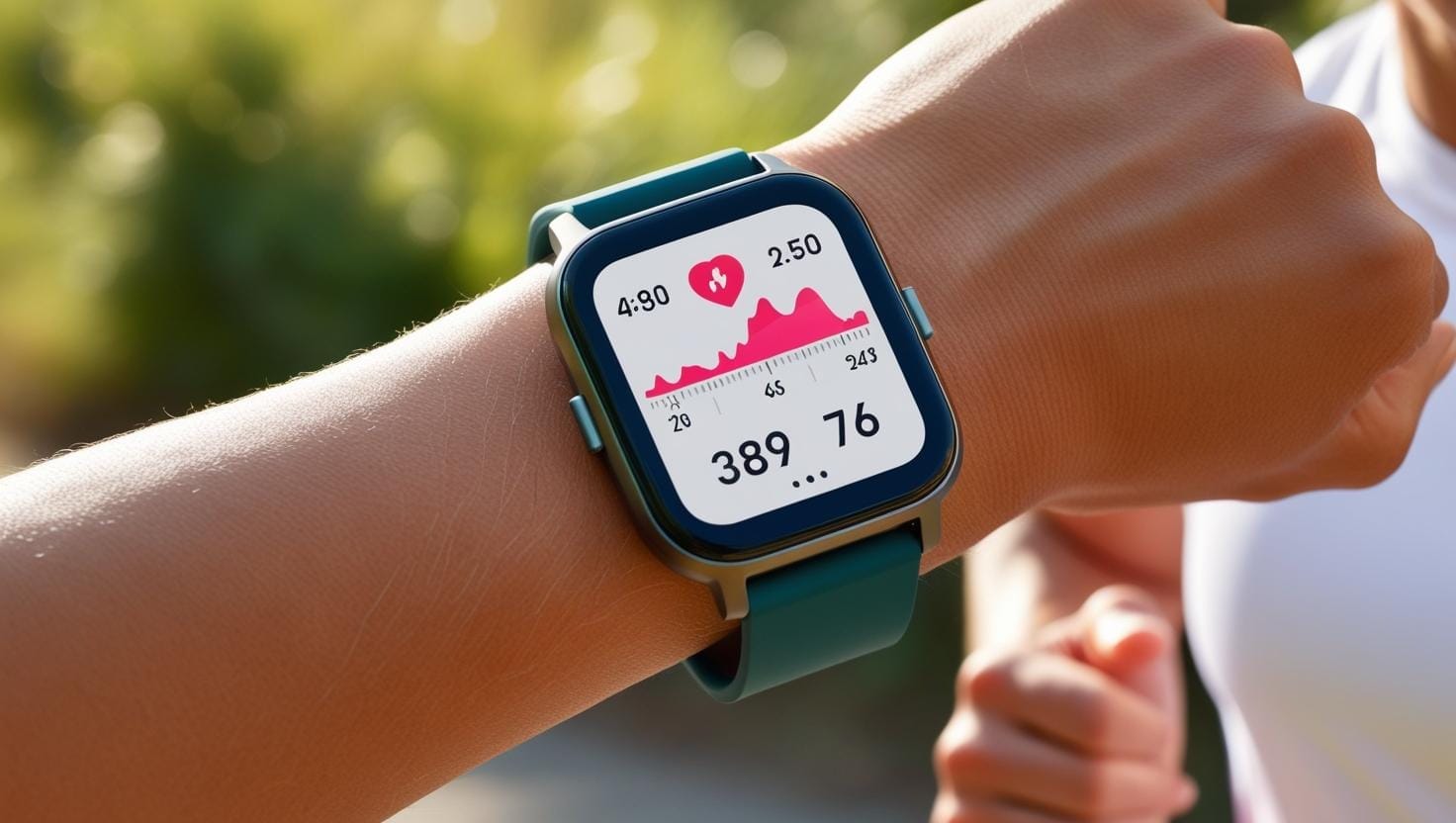
4. Smartwatch vs Fitness Tracker: What’s the Difference?
Smartwatches and fitness trackers overlap, but they are not the same product category.
A smartwatch usually provides a broader connected experience, including notifications, apps, smartphone integration and, on selected models, calls and contactless payments.
A fitness tracker generally focuses more heavily on activity, heart rate, sleep and workout monitoring. Some advanced fitness trackers include smartphone notifications, but their app and communication features may be more limited.
| Feature | Smartwatch | Fitness tracker |
| Activity and step tracking | Common | Common |
| Heart-rate monitoring | Common | Common |
| Sleep tracking | Common | Common |
| Third-party apps | Often available | Usually more limited |
| Calls and messaging | Available on selected models | Usually limited |
| Contactless payments | Available on selected models | Model-dependent |
| Advanced sports metrics | Model-dependent | Model-dependent |
| Battery life | Varies; often shorter on feature-rich models | Often longer |
For example, the Fitbit Charge 6 is better classified as a fitness tracker than a full smartwatch. It may suit someone who prioritizes activity and health tracking over a broad app experience.
Explore our fitness tracker guide if activity monitoring is your main priority.
5. How to Choose the Right Smartwatch
The best buying decision starts with compatibility and everyday needs. A more expensive model is not necessarily a better fit.
Check Phone Compatibility First
Your smartphone determines which smartwatch options make sense.
- iPhone users: Apple Watch is the most straightforward choice for deep integration with Apple’s ecosystem.
- Android users: Samsung, Google, OnePlus, Garmin and Amazfit offer different options, but compatibility varies by model.
- Samsung phone users: Check whether a Galaxy Watch’s additional Samsung-specific features are useful to you.
- Google Pixel users: Compare Pixel Watch features and Wear OS integration with other Android-compatible watches.
Before purchasing, check the minimum operating-system requirements and whether key features work with your particular phone.
Match the Watch to Your Lifestyle
Think about how you will use the watch most often.
- Everyday use: Prioritize notifications, comfort, battery life and useful apps.
- Running and training: Look for GPS quality, workout profiles, training metrics and recovery insights.
- Outdoor activities: Consider durability, navigation, water resistance and battery performance.
- Health and wellness: Compare the specific sensors and tracking functions available on each model.
- Travel: Look for useful navigation, contactless payments, cellular options and reliable battery performance.
- Budget shopping: Decide which features are essential before paying extra for premium materials or advanced sensors.
Decide Which Features You Actually Need
Some features are useful for almost everyone, while others matter only to particular buyers.
Useful everyday features:
- Reliable notifications
- Comfortable design
- Good battery performance
- Activity and heart-rate tracking
- Water resistance suitable for your activities
Optional features worth comparing:
- ECG functionality
- Blood oxygen estimates
- Cellular connectivity
- Offline maps
- Advanced running metrics
- Contactless payments
- Emergency features
Do not treat blood pressure monitoring, offline maps or a week-long battery as essential requirements for every smartwatch. Availability varies, and many buyers will rarely use these functions.
If you’re comparing a smartwatch with a smart ring, read our smart ring vs smartwatch comparison.
6. Which Smartwatch Is Best for Your Needs?
There is no single smartwatch that suits every buyer. Use these categories to narrow down your choices.
| Your priority | Models worth comparing |
| iPhone integration | Apple Watch Series 12 |
| More affordable Apple Watch | Apple Watch SE 3 |
| Rugged outdoor use | Apple Watch Ultra 4 or Samsung Galaxy Watch Ultra 2 |
| Android and Google services | Google Pixel Watch 5 |
| Samsung phone integration | Samsung Galaxy Watch 9 |
| Fitness and everyday tracking | Garmin Venu 4 |
| Running and training | Garmin Forerunner 970 |
| Battery-life comparison | OnePlus Watch 3 and Amazfit Active 2 |
Before making a final choice, compare current retailer prices, software support, warranty terms and the exact features available in your country.
7. Conclusion: Find a Smartwatch That Fits Your Routine
The best smartwatch in 2026 is not necessarily the most expensive or the one with the largest number of sensors. It is the model that works with your phone, feels comfortable throughout the day and provides the features you will actually use.
Apple Watch models are strong options for iPhone users, while Samsung and Google offer compelling Android-focused experiences. Garmin is worth considering for dedicated fitness and running needs, and OnePlus and Amazfit provide alternatives for buyers comparing battery life and value.
Compare compatibility, battery performance, health features, comfort and current pricing before purchasing. A little research can help you choose a smartwatch that remains useful well beyond the initial excitement of a new device.
For a more specific comparison, see our guide to Apple Watch SE 3 vs Garmin Forerunner 70.
FAQ Section
1. What is the best smartwatch in 2026?
The best smartwatch depends on your phone and priorities. Apple Watch models are worth considering for iPhone users, Samsung and Google watches for Android users, and Garmin models for people who prioritize fitness and running features.
2. Which smartwatch is best for iPhone users?
Apple Watch models offer the closest integration with the iPhone. Compare the Apple Watch Series 12, SE 3 and Ultra 4 based on budget, design, battery expectations and the features you need.
3. Which smartwatch is best for Android users?
Google Pixel Watch and Samsung Galaxy Watch models are leading options to compare. OnePlus, Garmin and Amazfit also offer Android-compatible alternatives, although app support and features vary.
4. Are smartwatches more accurate than fitness trackers?
Some wearable devices offer blood pressure-related features, but availability and measurement methods vary. Certain systems estimate patterns or require calibration with a separate cuff. Do not assume a smartwatch provides a direct, clinically equivalent blood pressure measurement.
5. Can a smartwatch measure blood pressure?
Some wearable devices offer blood pressure-related features, but availability and measurement methods vary. Certain systems estimate patterns or require calibration with a separate cuff. Do not assume a smartwatch provides a direct, clinically equivalent blood pressure measurement.
6. How long should a smartwatch battery last?
Battery life depends on the model and how it is used. Feature-rich smartwatches may need daily or frequent charging, while some fitness-oriented models can last several days or longer. GPS, always-on displays, calls and continuous tracking can reduce runtime.
7. Is a smartwatch better than a smart ring?
A smartwatch generally offers a larger display, notifications, apps, workout controls and more interactive features. A smart ring is smaller and can be more comfortable for passive tracking, particularly during sleep. The better choice depends on which functions matter most.
8. Can a smartwatch improve sleep quality?
A smartwatch can help users observe sleep patterns and develop more consistent routines. Tracking alone does not guarantee better sleep, and sleep-stage estimates should be treated as approximations rather than medical measurements.

[…] Read More: Smart Rings vs Smartwatches Which Model Fits Your Style […]
[…] Read More: 2026 Smartwatch Guide: Which Model Fits Your Lifestyle? […]
[…] 2026 Smartwatch Guide: Which Model Fits Your Lifestyle? […]