
Introduction
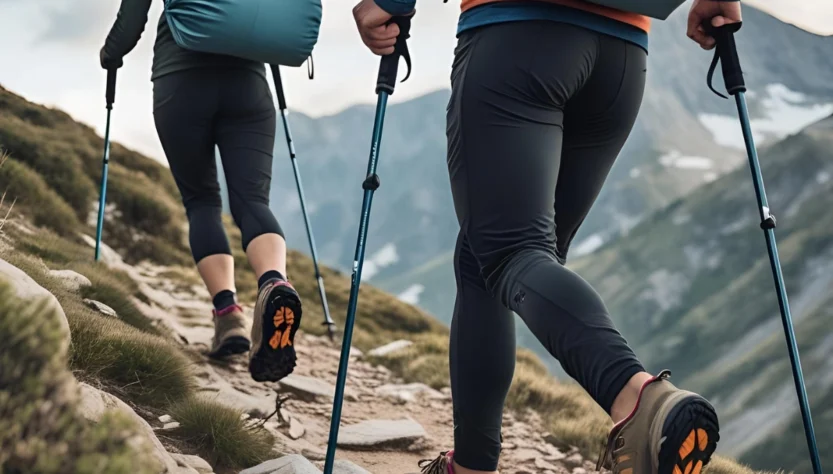
Choosing the right trekking gear can make a significant difference to comfort, safety and enjoyment on the trail. Whether planning a short day hike, a weekend in the mountains or a multi-day backpacking trip, the right equipment helps prepare for changing weather, uneven terrain, limited water access and unexpected delays.
However, not every hiker needs an expensive backpacking setup. A beginner exploring local trails has different requirements from someone carrying camping equipment across remote mountain routes. The best approach is to choose gear based on trip length, terrain, weather and personal needs rather than buying every product marketed for trekking.
This guide covers the essential trekking gear worth considering in 2026, including hiking footwear, backpacks, trekking poles, rain protection, hydration equipment, navigation tools and emergency supplies. It also explains which items are useful for day hikes and which are mainly intended for overnight or multi-day trips.
Read More: Travel Comfort Gadgets for Road Trips
Quick Look: Essential Trekking Gear
| Trekking gear | What to look for | Suitable for |
| Hiking shoes or boots | Secure fit, grip and suitable support | Every hiker |
| Hiking backpack | Comfortable straps, capacity and water access | Every hiker |
| Trekking poles | Adjustable length and reliable locks | Uneven or steep trails |
| Rain jacket | Weather protection and breathability | Every hiker |
| Insulating layer | Warmth suited to the climate | Cool or changing conditions |
| Water bottles or bladder | Enough capacity for the route | Every hiker |
| Water filter | Appropriate filtration for the water source | Remote routes |
| Headlamp | Reliable lighting and spare power | Every hiker |
| Navigation tools | Offline maps, GPS or map and compass | Every hiker |
| First-aid kit | Blister care and basic medical supplies | Every hiker |
| Emergency communication | Satellite messaging where needed | Remote routes |
| Tent and sleeping bag | Appropriate weight and temperature rating | Overnight trips |
1. Hiking Shoes or Boots: Start With the Right Footwear
Footwear is one of the most important parts of any trekking setup. Poorly fitting shoes can cause blisters, discomfort and fatigue, especially on longer routes. The right choice depends on the terrain, weather, pack weight and personal fit.
There are three common options:
- Hiking shoes: A practical choice for maintained trails, day hikes and lighter loads.
- Trail-running shoes: Lightweight and flexible, with designs suited to people who prefer a less structured feel on suitable trails.
- Hiking boots: Offer more coverage and structure, which some hikers prefer on rocky, muddy or uneven terrain and when carrying heavier packs.
Waterproof footwear can be useful in cold, wet conditions, but it is not automatically the best choice for every hike. In hot weather, waterproof materials may retain heat and moisture. Consider the climate and expected conditions before choosing.
Hiking footwear worth comparing
The Merrell Moab 3 is a well-known hiking-shoe range to consider for general trail use. Compare the standard and waterproof versions carefully, since they suit different conditions. Fit, traction and comfort should matter more than the brand name.
The Speedgoat line is designed around trail running and off-road use. It may suit hikers who prefer a cushioned trail shoe and are comfortable with its fit and feel. Try it on with the socks intended for hiking before committing to a longer route.
The Columbia Crestwood is another option to compare when shopping for traditional hiking footwear. Check the exact version, outsole design and waterproofing before buying.
Buying tip: Try footwear later in the day when feet may be slightly swollen. Leave enough room for toe movement, and test the shoes on an incline if possible. Do not assume that a heavier boot is automatically safer or more supportive.
2. Hiking Backpack: Choose Capacity for Your Trip
A backpack should carry the necessary equipment without making the hike unnecessarily tiring. Capacity depends on how long the trip lasts and whether camping equipment, food and extra clothing need to fit inside.
These capacity ranges are useful starting points, not strict rules:
| Backpack capacity | Typical use |
| 15–25 liters | Short hikes with minimal equipment |
| 20–35 liters | Longer day hikes |
| 35–50 liters | Lightweight overnight trips |
| 50–65 liters or more | Multi-day backpacking and larger loads |
A good hiking backpack should have comfortable shoulder straps, a suitable hip belt, useful pockets, water access and enough adjustment to fit the wearer’s body. Ventilation and rain protection may also matter depending on the climate.
Backpacks to consider
The Hikelite 26 is a daypack option to compare for hikers who need room for water, food, an extra layer and basic trail equipment. Its capacity is more appropriate for day trips than extended backpacking.
The Gregory Maya 20 is a smaller day-hiking option in a women’s-specific range. Check the fit and harness adjustments rather than choosing a backpack based only on its capacity.
The Exos and Eja ranges are worth comparing for lightweight backpacking. The Eja is designed for women, while the Exos is the corresponding men’s range. Check the current model’s capacity, suspension and load recommendations.
A larger pack such as the Aircontact Core 65+10 is intended for carrying more equipment on longer trips. It is not necessary for an ordinary day hike and may be excessive for someone who packs lightly.
Buying tip: Load a backpack with a realistic amount of weight before purchasing. Check whether the hip belt sits comfortably and carries weight without creating pressure points.
3. Trekking Poles: Extra Stability on Uneven Trails
Trekking poles can help with balance on steep climbs, descents, loose gravel and uneven ground. They may also make it easier to maintain a steady rhythm when carrying a backpack.
Look for poles with:
- Adjustable length
- Secure locking mechanisms
- Comfortable grips
- Wrist straps that are easy to adjust
- Replaceable tips and baskets
- A weight and packed length suitable for your trips
Aluminum poles are often a practical choice for durability and value. Carbon-fiber options can reduce weight, but material alone does not determine overall performance.
Black Diamond trekking poles are a useful range to compare. Check the current Trail models and their locking systems, grip materials and weight before choosing a specific version.
Buying tip: Adjust pole length so your elbows are comfortably bent when holding the grips on level ground. You may need to shorten the poles for steep climbs and lengthen them for some descents.
4. Rain Jacket: Prepare for Changing Weather
Weather can change quickly on exposed trails and in mountainous areas. A lightweight rain jacket helps protect against rain and wind while making it easier to keep an insulating layer dry.
A useful trekking rain jacket should offer:
- Reliable water protection
- Breathability appropriate for your activity
- An adjustable hood
- Cuffs that help limit water entry
- A hem that can be adjusted
- A packable design
The Patagonia Torrentshell 3L is one option to compare when looking for a waterproof hiking shell. Check the current model’s fit, ventilation, weight and features before purchasing.
A rain jacket is not a substitute for warm clothing. In cold conditions, combine weather protection with suitable insulating and base layers.
5. Insulating Layers: Stay Comfortable as Temperatures Change
A trekking clothing system should allow hikers to add or remove layers as conditions change. Wearing one thick jacket throughout a hike can become uncomfortable when temperatures rise or activity levels increase.
A practical layering system includes:
- Base layer: Helps manage moisture next to the skin.
- Insulating layer: Provides warmth during breaks or in cold conditions.
- Outer shell: Helps protect against rain and wind.
Down insulation can provide a strong warmth-to-weight ratio and pack down efficiently. Synthetic insulation is worth considering in damp conditions because it generally retains more insulating ability when wet. The best choice depends on climate, expected weather and care requirements.
Choose clothing that allows comfortable movement and avoid relying on a single jacket for every season.
6. Water Bottles and Hydration Systems
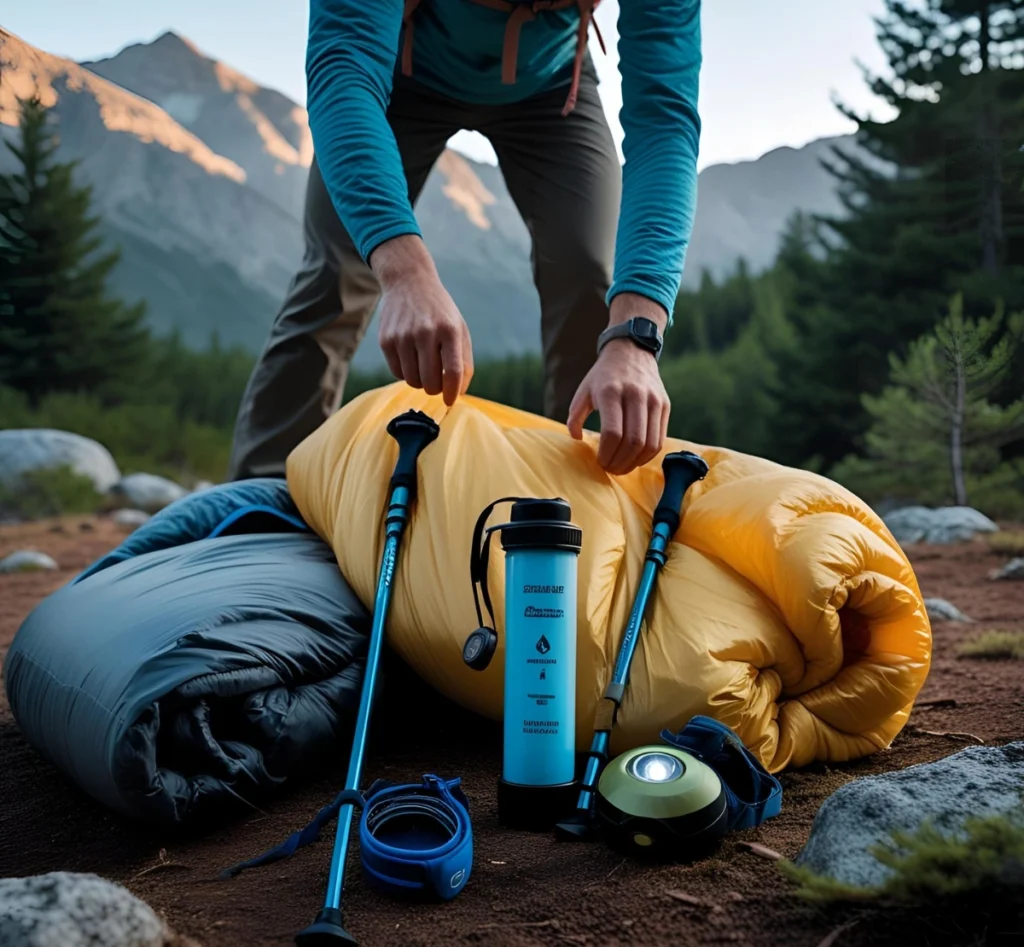
Water planning should be based on the route, temperature, physical effort and availability of reliable refill points. A short shaded trail with regular water access requires a different plan from a long exposed route.
Common hydration options include:
- Reusable water bottles
- Soft water bottles
- Hydration bladders
- Insulated bottles for hot or cold conditions
A hydration bladder can make drinking convenient while walking, while bottles are easier to remove, refill and inspect. Some hikers carry a combination of both.
Do not rely on a universal water quantity for every trek. Check route guidance, weather forecasts and water availability, and carry enough water for the conditions.
7. Water Filter: An Important Option for Remote Routes
On longer hikes, a suitable water treatment method can help when natural water sources are part of the route plan. A filter is not necessary for every outing, but it can be valuable when access to treated drinking water is limited.
The Sawyer Squeeze is a compact hollow-fiber water filter commonly considered for hiking and backpacking. Its manufacturer specifies a 0.1-micron absolute filtration rating. It is designed to remove bacteria and protozoa, but it does not remove viruses, dissolved chemicals, salt or heavy metals.
The filter also requires maintenance, including backwashing, to help maintain water flow. Follow the manufacturer’s instructions for use, cleaning, freezing protection and storage.
A water filter should not be treated as universal protection against every waterborne hazard. Check local water conditions and use an appropriate treatment method for the risks on your route.
8. Headlamp: Keep Your Hands Free in Low Light
A headlamp is useful when a hike starts before sunrise, finishes after sunset or takes longer than expected. It also keeps both hands available when setting up camp, checking a map or handling equipment.
Look for:
- A comfortable and adjustable headband
- Several brightness settings
- A useful low-light mode
- Weather resistance
- A lockout feature to prevent accidental activation
- Replaceable or rechargeable batteries
- A practical battery-life rating
The Black Diamond Spot 450 is a headlamp option to compare for hiking and camping. The current model is specified at up to 450 lumens and uses a dual-fuel design, supporting three AAA batteries or a compatible rechargeable BD 1500 battery. Check the exact package and charging arrangement before purchasing.
A high maximum-lumen rating does not automatically mean a headlamp will last longer. Compare battery life at the brightness level you are likely to use, and carry spare power when the route requires it.
9. Navigation Tools: Do Not Depend on Mobile Signal
Navigation is a basic trekking requirement, not an optional technology upgrade. Mobile coverage can disappear on remote trails, and a phone battery may run down faster in cold weather or when GPS and screen brightness are used continuously.
Useful navigation options include:
- Downloaded offline trail maps
- A GPS device or GPS-enabled watch
- A paper map and compass
- A phone with sufficient battery power
A smartwatch with GPS can provide useful route information, but it should not be the only navigation tool on an unfamiliar or remote route.
Before setting out, download maps, understand the route and check trail conditions. Learn how to use a map and compass if the route requires them. Keep a backup navigation method available in case a device fails.
Read More: Smart Wearables and GPS Technology
10. First-Aid Kit and Emergency Supplies
A small first-aid kit is an important part of trekking gear, even on shorter hikes. The contents should reflect the route, group size, trip duration and individual needs.
Consider carrying:
- Adhesive bandages
- Blister treatment
- Gauze and medical tape
- Antiseptic wipes
- Personal medication
- Tweezers
- Disposable gloves
- Any additional supplies recommended for the route
A compact option such as the Adventure Medical Kits Ultralight/Watertight .3 can be compared for lightweight trips. Check its contents and add any personal supplies that are missing.
Other emergency items may include a whistle, repair tape, a small multi-tool where permitted, an emergency blanket or bivvy, and a fire-starting method where appropriate and legal.
A first-aid kit does not replace first-aid knowledge. Learn basic treatment procedures and know when to seek professional help.
11. Satellite Communicator: Consider One for Remote Treks
A satellite communicator can provide an additional way to contact others when mobile networks are unavailable. It is especially relevant for remote routes, solo trekking and areas where emergency assistance may be difficult to reach.
The Garmin inReach Mini 3 Plus is a satellite communication device to consider for trips where off-grid communication matters. Garmin’s product information describes satellite messaging, voice and photo messaging capabilities, and interactive SOS features. These functions depend on compatible service, coverage, setup and an active subscription where required.
Before relying on a satellite device, check the subscription terms, coverage for your destination, battery expectations and emergency procedures. Register and test the device before leaving rather than learning how it works during an emergency.
For a well-marked local day hike with reliable mobile coverage, a dedicated satellite communicator may be unnecessary. For remote routes, it can be an important part of a broader safety plan.
Check Out :A Practical Travel Essentials Checklist
12. Tent and Sleeping Bag: Only If Your Trek Includes Camping
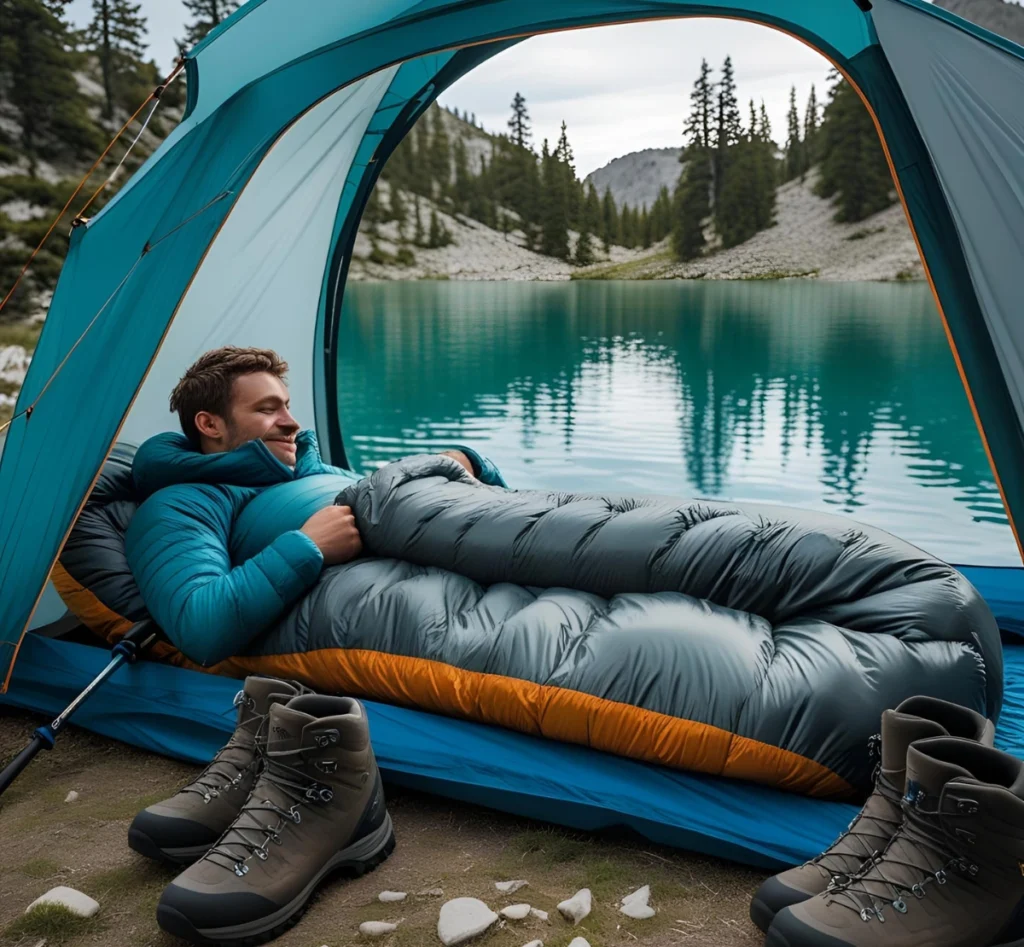
A tent and sleeping bag are essential for overnight backpacking, but they add weight and are not needed for ordinary day hikes. Choose them based on expected temperatures, weather, campsite conditions and the amount of equipment you can comfortably carry.
Choosing a trekking tent
Compare tents by:
- Packed weight and trail weight
- Interior floor area
- Number of occupants
- Weather protection
- Ventilation
- Setup time
- Packed size
The ALPS Mountaineering Lynx 2 is a budget-oriented two-person camping tent to compare. It may suit casual camping and some backpacking situations where its weight is acceptable. Hikers prioritizing a lighter pack should compare it with purpose-built lightweight backpacking tents.
Choosing a sleeping bag
Sleeping bags have temperature ratings that need careful interpretation. A bag advertised with a 0°F rating should not automatically be assumed to provide comfortable sleep at that temperature. Understand the difference between comfort and lower-limit ratings, and consider the sleeping pad, clothing, shelter and personal cold tolerance.
For occasional camping, a budget three-season sleeping bag may be sufficient in suitable conditions. For cold-weather or high-altitude trips, choose a sleeping system designed for the expected conditions rather than relying on a general-purpose bag.
Don’t Miss: Useful Travel Gadgets For Your Next Trip
13. Portable Power Bank: Keep Essential Devices Charged
A power bank can help keep a phone, GPS device or other rechargeable equipment running during longer hikes. Capacity, output, weight and temperature performance all matter.
For most hikers, a compact USB-C power bank in the 10,000–20,000mAh range is a reasonable starting point to compare. The right capacity depends on how many devices need charging and how long the trip lasts.
Look for:
- Enough capacity for the planned trip
- Output compatible with your devices
- A durable design
- Clear battery-level indicators
- A weight that fits your packing priorities
- Manufacturer guidance for operating temperatures
Do not assume every power bank works reliably in freezing conditions. Cold temperatures can affect battery performance. Keep electronics protected and follow the manufacturer’s operating and storage instructions.
For a day hike, a phone with a full charge may be enough. For multi-day routes, plan charging needs before departure and carry backup power for essential navigation and communication devices.
Check Out: Portable Chargers For Travel
2026 Trekking Gear Trends Worth Considering
New outdoor products can make hiking more convenient, but trends should come after the basics. A lighter item is not automatically a better item if it compromises durability, fit or suitability for the route.
Some developments worth watching include:
Lightweight insulating clothing: Materials such as Alpha Direct fleece are attracting interest among backpackers looking to reduce pack weight. They are specialized clothing choices, not a requirement for beginners.
Compact sleeping-pad pumps: Small electric inflators can make campsite setup easier, although they add another device that needs charging.
Trekking-pole tents: Some lightweight shelters use trekking poles as their support structure. They can reduce the number of separate tent poles carried, but require suitable poles and a little practice during setup.
Dedicated outdoor cameras: Hikers who enjoy landscape photography may prefer a dedicated camera, but a phone is often sufficient for casual trail photos.
Reusable water systems: Lightweight bottles and flexible water containers can help backpackers manage water storage and collection.
Prioritize reliable footwear, weather protection, hydration, navigation and safety equipment before spending money on specialized upgrades.
Read More: Everest BC Trek : The Ultimate Adventure for Modern Travellers
The 10 Essentials Every Hiker Should Consider
The 10 Essentials framework is a useful way to check whether a trekking kit covers basic safety needs. It is not a fixed shopping list, and the exact equipment should reflect the route, weather and group.
| Essential | What to carry |
| Navigation | Offline maps, GPS, paper map and compass |
| Insulation | Appropriate extra layers |
| Hydration | Water bottles or bladder |
| Nutrition | Enough food and emergency snacks |
| Illumination | Headlamp and backup power |
| Sun protection | Sunglasses, sunscreen and suitable clothing |
| First aid | First-aid kit and blister care |
| Fire | Suitable fire-starting supplies where legal and appropriate |
| Repair and emergency supplies | Whistle, repair items and emergency shelter |
| Appropriate footwear | Shoes or boots suited to the terrain |
The Appalachian Trail Conservancy also emphasizes preparation for navigation, insulation, hydration, nutrition, illumination, weather protection, hygiene, first aid, emergency supplies and suitable footwear. Adapt the checklist to the trail rather than treating it as a universal packing prescription.
Read More: Automatic Workout Detection and Recovery Analytics
Trekking Gear Checklist by Trip Type
Not every trip requires the same equipment. Use these lists as a starting point and adjust them for local conditions.
Day hiking gear
For a short or moderate day hike, consider:
- Comfortable hiking shoes or boots
- A suitable daypack
- Water and snacks
- Weather-appropriate clothing
- Rain protection
- Headlamp
- Offline navigation
- Basic first-aid supplies
- Sun protection
- Emergency whistle
Overnight backpacking gear
In addition to day-hiking essentials, an overnight trip may require:
- Backpack with enough capacity for the load
- Tent or suitable shelter
- Sleeping bag suited to expected temperatures
- Sleeping pad
- Additional food and water treatment
- Spare clothing
- Cooking equipment where needed
- Power bank or other charging plan
Multi-day or remote trekking gear
Longer and more remote trips may require:
- A properly fitted backpack
- Suitable footwear for the terrain
- Layered clothing and reliable rain protection
- Route-specific navigation equipment
- Water treatment and additional water storage
- Expanded first-aid and repair supplies
- Emergency shelter
- Satellite communication where appropriate
- Food and fuel planning
- A realistic equipment and emergency plan
For challenging routes, review local guidance and consider advice from experienced guides or outdoor professionals.
Read More: Hiking Gadgets Exploring Nature With Safety
How to Choose the Best Trekking Gear
The best trekking gear is not necessarily the most expensive or the lightest. It is equipment that suits the route and can be used reliably.
Keep these points in mind before buying:
1. Match gear to the route. A maintained forest trail, rocky mountain path and remote multi-day trek have different equipment requirements.
2. Check the weather. Temperature, rainfall, wind and exposure should influence footwear, clothing, shelter and water planning.
3. Consider total pack weight. Every additional item adds weight. Choose equipment that serves a clear purpose.
4. Prioritize fit. Footwear, backpacks and clothing should fit properly. A highly rated product may still be unsuitable if it does not fit your body.
5. Check product specifications. Compare the exact model, size, weight, capacity, materials and warranty. Product names can cover several versions with different features.
6. Practice before the trip. Learn how to use navigation equipment, set up a tent, operate a water filter and adjust trekking poles before depending on them outdoors.
7. Avoid buying unnecessary specialist gear. A beginner does not need a full expedition setup for a short local hike. Build a kit gradually as trip requirements change.
Check Out: Best Travel Accessories For International Travel
Frequently Asked Questions About Trekking Gear
What trekking gear does a beginner need?
A beginner should start with comfortable footwear, a suitable backpack, water, food, weather-appropriate clothing, a headlamp, navigation tools and basic first-aid supplies. Add trekking poles or specialized equipment when the route and personal needs justify them.
What is the difference between trekking gear and hiking gear?
The terms are often used interchangeably. Hiking gear generally covers equipment for walking trails and day trips, while trekking gear may also include equipment for longer, more demanding routes. The practical requirements depend more on terrain, weather and trip duration than on the label.
How much should a trekking backpack hold?
A 15–25L backpack may be enough for a short hike, while a 20–35L pack can suit a longer day trip. Overnight and multi-day trips often require 35–65L or more, depending on the shelter, food, clothing and other equipment being carried.
Are trekking poles necessary?
rekking poles are not essential for every hiker, but they can provide additional balance and support on steep, uneven or loose terrain. They are worth considering for long descents, challenging trails and hikes involving heavier backpacks.
Are waterproof hiking shoes better?
Not always. Waterproof footwear can help in wet or cold conditions, but it may feel warmer in hot weather and can take longer to dry after water enters from the top. Choose footwear based on climate, terrain, fit and personal preference.
Is a water filter necessary for trekking?
A water filter may be useful on remote routes where hikers need to treat water from natural sources. It is not necessary on every hike. Check the local water risks and confirm that the chosen treatment method addresses them.
What is the most important safety gear for trekking?
Navigation tools, suitable clothing, water, food, a headlamp, first-aid supplies and emergency equipment are important parts of a safety kit. Remote routes may also justify a satellite communicator. The right combination depends on the location and difficulty of the trek.
How can trekking gear be kept lightweight?
Choose equipment based on the route, avoid duplicate items, use appropriately sized bags and select lightweight versions where they do not compromise essential safety or performance. Start by removing unnecessary items rather than replacing every product with expensive ultralight alternatives.
Read More: Best Car Travel Accessories For Long Trips
Final Thoughts
The right trekking gear should make a hike safer, more comfortable and better suited to the conditions. Start with the essentials: footwear that fits, a backpack that carries the load comfortably, reliable weather protection, enough water, navigation and basic emergency supplies.
Add a tent, sleeping bag, satellite communicator or specialized backpacking equipment only when the trip calls for it. A carefully selected kit is more useful than a large collection of gear that may never leave the cupboard.
Before buying, compare the exact product specifications and make sure each item suits the terrain, weather and duration of the planned trek. A little preparation can make a significant difference once the trail begins.

[…] Check Out : Trekking Gear That’s Totally Worth It […]
[…] Read More:Trekking Gear That’s Totally Worth It, Every Hiker Should Know About in 2026 […]