
Introduction
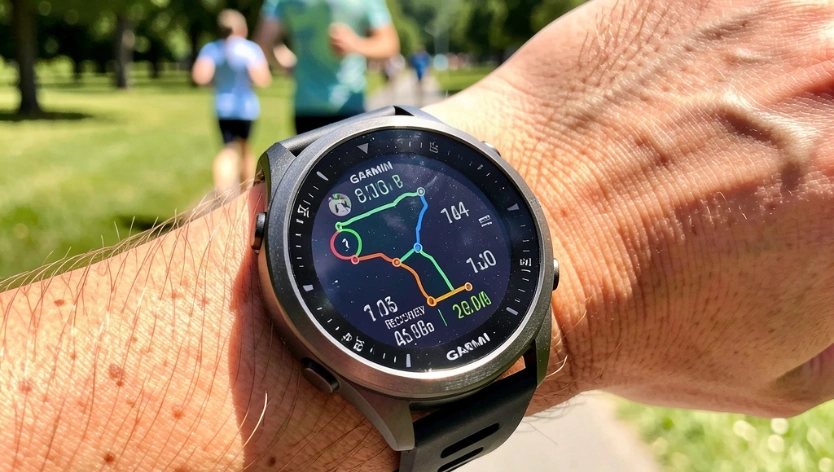
Remembering to press Start before every workout can be inconvenient. You might go for an unexpected run, turn a short walk into a longer workout, or finish a gym session only to realize you forgot to record it. Modern fitness wearables are making this easier with automatic workout detection and recovery analytics. Instead of relying entirely on manual tracking, these devices use movement sensors, heart-rate readings and activity-recognition algorithms to identify exercise and build a more complete picture of daily activity.
But tracking a workout is only one part of the experience. Many wearables also analyze sleep, heart-rate variability (HRV), resting heart rate and training load to estimate how well your body is recovering.
The combination can help you understand your activity patterns, monitor training consistency and make more informed decisions about exercise and rest.
This guide explains how automatic workout detection and recovery analytics work, compares five relevant wearable options in 2026, and highlights what to consider before choosing one.
Read More: Smart Wearable for the Future ? Wear It to Believe It
Quick Answer: Which Wearables Offer Automatic Workout Detection and Recovery Analytics?
The right device depends on whether you prioritize workout recognition, recovery insights, sleep tracking or everyday convenience.
- WHOOP 5.0: A performance-focused wearable with automatic activity detection, Strain tracking and a daily Recovery score.
- Oura Ring 5: A discreet smart ring that identifies activities and combines movement, sleep and physiological data into a Readiness score.
- Garmin CIRQA: A screen-free fitness band with automatic activity recording, Body Battery, training readiness and recovery-time insights.
- Polar Loop: A subscription-free wearable with automatic training detection and Nightly Recharge recovery tracking.
- Google Fitbit Air: A lightweight screenless tracker with automatic activity recognition, sleep tracking and readiness insights through Google Health.
These devices approach workout detection and recovery differently. A tracker that automatically identifies activities may not provide the same depth of workout analysis as a dedicated sports watch.
Check Now: Fitness Trackers For Seniors
Why Automatic Workout Detection Matters
Automatic workout detection identifies physical activity without requiring you to manually start a tracking session every time.
Depending on the wearable, the system can use:
- Accelerometers to recognize movement patterns.
- Optical heart-rate sensors to monitor changes in heart rate.
- Activity-recognition algorithms to classify exercise.
- Personal activity history to improve recognition over time.
For example, a tracker may recognize sustained movement and an elevated heart rate as a walking, running or cycling session. It can then create an activity summary in its companion app.
This is particularly useful for people who exercise spontaneously or prefer not to interact with their wearable during workouts.
What Activities Can Wearables Detect?
Common automatically recognized activities include:
- Walking and running
- Cycling
- Swimming
- Elliptical workouts
- Rowing
- Strength training
- HIIT and other cardio activities
- Selected sports and recreational activities
However, available activities differ by manufacturer and device.
Short workouts, low-intensity movement and exercises with limited wrist movement can be harder to recognize. Some trackers also wait until an activity reaches a minimum duration before saving it.
Automatic detection should therefore be viewed as a convenience feature rather than a guarantee that every workout will be recorded perfectly.
Read More: How Wearable Sensors Work Inside Smartwatches
Recovery Analytics: Understanding What Happens After Exercise
Tracking activity tells you how much you move. Recovery analytics help you understand how your body responds to that activity.
Modern wearables combine several measurements to estimate recovery and readiness.
1. Heart Rate Variability
Heart rate variability measures the variation in time between consecutive heartbeats.
Wearables often use overnight HRV readings to understand changes in your body’s recovery patterns. Comparing recent readings with your personal baseline can provide useful context about physiological stress and recovery.
A single HRV measurement should not determine whether you exercise. Consistent trends are generally more useful than isolated readings.
2. Resting Heart Rate
Resting heart rate is another commonly used recovery indicator.
A change from your usual resting heart rate may be associated with factors such as physical strain, sleep disruption, stress or illness.
Tracking longer-term patterns can help you understand how your body responds to different training routines.
3. Sleep Tracking
Sleep is an important part of physical recovery.
Many wearables estimate:
- Total sleep duration
- Light, deep and REM sleep
- Sleep interruptions
- Overnight heart rate
- Sleep consistency
These measurements contribute to recovery or readiness calculations on supported devices.
Sleep-stage estimates are not equivalent to clinical sleep testing, but they can help users recognize changes in their sleep habits.
4. Training Load and Activity Strain
Training load measures the effort accumulated through exercise over time.
Some platforms combine workout duration, heart-rate intensity and activity history to estimate how demanding a training session has been.
Looking at training load alongside sleep and recovery trends can help users identify periods when they may benefit from lighter activity.
5. Readiness and Recovery Scores
Many wearables turn multiple measurements into a single score.
Examples include:
- WHOOP Recovery
- Oura Readiness
- Garmin Training Readiness
- Polar Nightly Recharge
- Google Health Readiness
These scores are designed to make complex measurements easier to interpret. They are estimates based on each manufacturer’s algorithms, not definitive measurements of physical readiness.
Read More: 2026 Smartwatch Guide: Which Model Fits Your Lifestyle?
5 Wearables for Automatic Workout Detection and Recovery Analytics
1. WHOOP 5.0: For Performance-Focused Recovery Tracking
WHOOP is designed around continuous health and fitness monitoring rather than traditional smartwatch features.
Its screenless design keeps the focus on activity, sleep, strain and recovery insights through the WHOOP app.
Key features:
- Automatic activity detection
- Continuous heart-rate monitoring
- Heart-rate variability tracking
- Daily Strain score
- Sleep analysis
- Daily Recovery score
- Personalized fitness and recovery insights
WHOOP automatically recognizes sustained activities using heart-rate and movement information. Its support documentation describes recognition across 45 activity types.
Detected sessions are generally logged after heart rate returns toward baseline, which means the workout summary may appear after the session rather than immediately when exercise begins.
The Recovery score combines physiological measurements such as HRV, resting heart rate, respiratory rate and sleep performance.
Who should consider it?
WHOOP 5.0 is worth considering for people who train regularly and want detailed information about activity strain, sleep and recovery.
Potential limitation: WHOOP requires a membership. Users should compare the ongoing subscription cost with the insights they expect to use.
2. Oura Ring 5: For Discreet Activity and Readiness Tracking
Oura takes a different approach by placing its sensors in a smart ring instead of a traditional wrist-worn tracker.
Its Automatic Activity Detection feature uses movement information and algorithms to identify physical activities. The companion app can suggest an activity type, duration and intensity for users to review.
Key features:
- Automatic Activity Detection
- Daily movement tracking
- Activity and Readiness scores
- Sleep tracking
- Heart-rate monitoring
- HRV-based recovery insights
- Lightweight ring design
Oura’s Readiness score combines overnight measurements with longer-term activity and recovery patterns.
This makes it useful for people who want to understand how their sleep, movement and recent activity relate to their daily readiness.
The ring also offers activity heart-rate tracking and live activity features, although it does not provide the same on-wrist workout display as a smartwatch.
Who should consider it?
Oura is a suitable option for people who prefer a discreet wearable and place greater importance on everyday activity, sleep and recovery insights than on live workout screens.
Potential limitation: Full Oura insights on supported newer generations require an active membership. A ring may also be less convenient during activities involving heavy gripping or weights.
Read More: Amazfit Active 2 vs Fitbit Versa 4
3. Garmin CIRQA: For Screen-Free Fitness and Training Insights
Garmin CIRQA brings several of Garmin’s fitness and wellness features into a screen-free smart band.
It is particularly relevant to this topic because it combines automatic activity recording with training and recovery information.
Key features:
- Automatic activity detection and recording
- Body Battery energy monitoring
- Heart-rate and HRV tracking
- Sleep stages and sleep score
- Training readiness
- Workout benefit and recovery time
- Connected GPS
- Up to 10 days of estimated battery life
CIRQA uses heart rate, movement and activity history to identify and record activities. Detected sessions can be reviewed and edited in Garmin Connect.
Garmin also provides training readiness, workout benefit and recovery-time information to help users understand the effect of exercise.
Its Body Battery feature offers another perspective by estimating energy levels using physiological information and activity.
Who should consider it?
CIRQA is worth considering for users who want Garmin’s fitness ecosystem without wearing a full smartwatch throughout the day.
Potential limitation: It has no built-in display or independent GPS. Connected GPS requires a compatible smartphone. Automatic detection can also miss activities that are too short or involve limited movement.
4. Polar Loop: For Automatic Training and Overnight Recovery
Polar Loop is a screen-free fitness band built around continuous activity, sleep and recovery tracking.
Its Automatic Training Detection feature uses elevated heart rate and movement to recognize training sessions without requiring manual recording.
Key features:
- Automatic training detection
- Continuous heart-rate monitoring
- 24/7 activity tracking
- Nightly Recharge recovery insights
- Sleep Plus Stages
- SleepWise guidance
- Training Load Pro
- Up to 8 days of estimated battery life
- No subscription required for its core features
One useful aspect of Polar’s automatic detection is that users can adjust its training-intensity sensitivity through the Polar Flow app.
The system also has specific detection requirements. Under its default settings, a session generally needs to last at least 10 minutes and meet heart-rate and activity-intensity thresholds.
Polar’s Nightly Recharge combines sleep information with overnight physiological measurements to help users understand recovery.
Who should consider it?
Polar Loop is a good candidate for people who want automatic training detection, sleep insights and recovery guidance without a screen or recurring subscription.
Potential limitation: Automatic detection can have slight start and end delays. Manual recording is preferable when precise workout timing, GPS information or detailed session control matters.
Read more: What Is a Wearable Fitness Monitor and How Do You Choose?
5. Google Fitbit Air: For Everyday Activity and Readiness Tracking
Google Fitbit Air is a lightweight, screen-free activity tracker that connects to the Google Health app.
It focuses on everyday movement, sleep and health metrics rather than offering a traditional smartwatch experience.
Key features:
- Automatic activity recognition
- Continuous heart-rate tracking
- Step and activity tracking
- Cardio load
- Sleep score and sleep stages
- HRV and resting heart-rate measurements
- Readiness insights
- Connected GPS
Fitbit Air automatically recognizes sustained activities with elevated movement and heart rate. Supported activities include walking, running, cycling, cardio machines, HIIT, strength training and selected sports.
Most activities have a minimum detection duration of around 10–20 minutes, although the setting can be adjusted.
Detected activities can be confirmed or edited in the Google Health app, helping personalize activity recognition over time.
The Google Health platform also provides a Readiness score and cardio-load information for compatible devices.
Who should consider it?
Fitbit Air is worth considering for everyday users who want a comfortable screenless tracker and accessible activity and recovery information.
Potential limitation: The device relies on a connected smartphone for GPS. Some advanced coaching and health insights may require Google Health Premium, and feature availability varies by region.
Comparing Automatic Workout Detection and Recovery Features
| Wearable | Automatic detection | Recovery insights | Display |
| WHOOP 5.0 | Yes | Recovery, HRV, sleep and strain | Screenless |
| Oura Ring 5 | Yes | Readiness, sleep and activity balance | Screenless |
| Garmin CIRQA | Yes | Training readiness, Body Battery and recovery time | Screenless |
| Polar Loop | Yes | Nightly Recharge and sleep recovery | Screenless |
| Google Fitbit Air | Yes | Readiness, cardio load and sleep | Screenless |
The main difference is how much each platform emphasizes workout performance versus daily health and recovery.
WHOOP and Garmin offer more training-oriented insights, while Oura focuses strongly on sleep and readiness. Polar connects automatic training detection with overnight recovery, and Fitbit Air emphasizes everyday activity and accessible health information.
How Automatic Workout Detection Actually Works
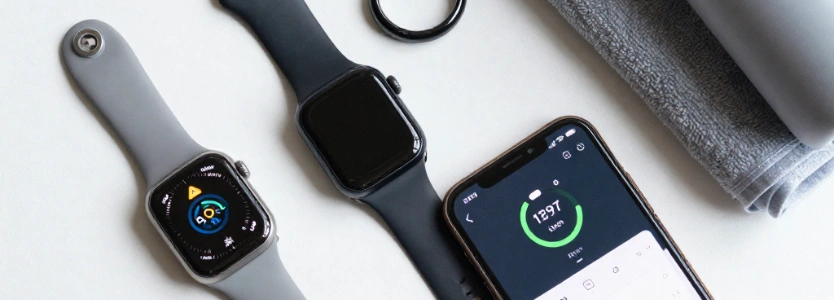
Although the technology differs between manufacturers, most automatic workout detection systems follow a similar process.
Step 1: Sensor collection
The wearable collects movement and physiological information through sensors such as accelerometers and optical heart-rate monitors.
Step 2: Activity recognition
Algorithms look for movement patterns and sustained changes in heart rate that may indicate exercise.
Step 3: Activity classification
The system attempts to identify the activity type, such as walking, running, cycling or strength training.
Step 4: Workout recording
When the device’s duration and intensity requirements are met, it creates a workout record or activity summary.
Step 5: User review
Some platforms let users confirm, edit or delete the detected activity. These corrections can help personalize future recognition.
Not every device follows exactly the same process. Some systems record sessions in the background, while others provide reminders or ask users to confirm an activity.
Read More: What Is a Wearable Fitness Monitor and How Do You Choose the Right One
Automatic Workout Detection vs Manual Workout Tracking
Both approaches have advantages.
| Feature | Automatic detection | Manual tracking |
| Starting a session | Usually requires no input | User starts the workout |
| Convenience | High | Requires interaction |
| Workout timing | May have delays | More precise control |
| Activity classification | Algorithm-dependent | User selects activity |
| GPS and workout metrics | Device-dependent | Often more detailed |
| Best for | Everyday and spontaneous activity | Planned training sessions |
Automatic detection is convenient for everyday movement, but manual tracking remains useful for structured training.
For example, a runner preparing for a race may prefer to start a GPS workout manually to capture pace, distance and route information from the beginning.
How Recovery Analytics Help With Training
Recovery analytics can provide context that workout duration alone cannot explain.
Consider two training days:
- On the first day, you complete a moderate workout after a consistent night’s sleep.
- On the second day, you complete a similar workout after sleeping poorly and accumulating more physical strain.
Your wearable may show different recovery or readiness estimates even though the workouts were similar.
This information can help you review training patterns and consider whether to adjust the intensity of your next session.
However, recovery scores should not replace how you actually feel. Pain, unusual fatigue, dizziness or other concerning symptoms should not be ignored because a wearable displays a favorable score.
Read More: Future of AR Wearables: Smart Glasses, Mixed Reality & the Amazing Next Tech Revolution
Why Recovery Scores Are Not Always Accurate
Recovery analytics are useful, but they have limitations.
1. Different algorithms: WHOOP, Oura, Garmin, Polar and Google use different calculations. Their scores are not directly interchangeable.
2. Personal baselines: Many recovery systems compare current measurements with your historical data. New users may need time to establish a baseline.
3. Sensor limitations: Wrist and finger-based heart-rate readings can be affected by movement, fit, temperature and other factors.
4. Incomplete tracking: Removing a wearable, charging it or wearing it incorrectly can create gaps in the data.
5. Health and lifestyle factors: Travel, stress, illness, alcohol, medication and sleep disruption may affect physiological measurements.
A readiness score is best treated as one source of information rather than a definitive instruction to train or rest.
Smart Ring vs Fitness Band vs Smartwatch
The type of wearable you choose can influence the experience as much as the tracking algorithm.
Smart rings
Smart rings such as Oura prioritize discreet wear, sleep tracking and daily health insights. They are suitable for users who do not want a screen on their wrist.
Screenless fitness bands
Devices such as WHOOP, Garmin CIRQA, Polar Loop and Fitbit Air focus on continuous monitoring through a companion app. They can be useful for people who want to collect data without frequent screen interactions.
Smartwatches
Smartwatches provide on-device workout controls, notifications, GPS features and live workout information. They are often more suitable for users who want to monitor exercise while it is happening.
For example, Apple Watch Series 12 offers a readiness score using activity, vitals and sleep information. It also provides workout reminders for certain activities if you forget to start tracking. These reminders should not be confused with fully automatic background workout recording.
Read more: Best Smartwatch 2026: Features, Models and Buying Guide
What to Consider Before Buying a Fitness Wearable
Before choosing a tracker, compare the following factors.
Automatic detection support: Check whether the device recognizes the activities you actually perform. Do not assume every model detects strength training, cycling and swimming equally well.
Recovery metrics: Look for the measurements that matter to you, such as HRV, resting heart rate, sleep, training load and readiness.
Battery life: Continuous heart-rate monitoring, GPS and overnight tracking can affect battery performance.
Comfort: Consider whether you prefer a watch, a screenless band or a ring, especially if you plan to wear it during sleep.
App experience: Review how clearly the companion app presents activity history, recovery trends and workout summaries.
Subscription costs: Compare the features included with the purchase price against those that require a monthly or annual membership.
Phone compatibility: Check whether the wearable supports your Android or iPhone device and whether GPS features require your phone.
The Future of Automatic Workout Detection and Recovery Analytics
Wearable technology is moving toward more personalized activity recognition and health insights.
Current developments include algorithms that learn from confirmed activities, continuous physiological monitoring and recovery guidance based on individual trends.
Screenless trackers are also making this technology less dependent on traditional smartwatch displays.
The next stage is not simply recognizing more activities. It is making the information more useful by connecting movement, sleep, training effort and recovery into a clearer picture of everyday fitness.
Explore More: Wearable Fitness Tracker
Final Thoughts
Automatic workout detection and recovery analytics have made fitness tracking more convenient and informative.
WHOOP 5.0, Oura Ring 5, Garmin CIRQA, Polar Loop and Google Fitbit Air illustrate different approaches to recognizing activity and interpreting recovery.
The best choice depends on what you want to understand. Performance-focused users may prefer detailed training and recovery metrics, while everyday users may find a simpler screenless tracker more practical.
Remember that automatic detection is not perfect, and readiness scores are estimates rather than medical assessments. Use wearable insights alongside your own experience, training goals and recovery needs.
The real value of a fitness wearable is not the number of metrics it collects. It is how effectively those insights help you build consistent and sustainable habits.
Read More: Smart Wearable Technology
Frequently Asked Questions (FAQ)
1. What is automatic workout detection?
Automatic workout detection is a wearable feature that identifies physical activities using movement sensors, heart-rate changes and activity-recognition algorithms. It can record supported workouts without requiring users to start a tracking session manually.
2. Which fitness trackers support automatic workout detection?
WHOOP 5.0, Oura Ring 5, Garmin CIRQA, Polar Loop and Google Fitbit Air offer automatic activity or workout detection. The supported activities and detection requirements differ between devices.
3. What is recovery analytics in a fitness tracker?
Recovery analytics uses information such as heart-rate variability, resting heart rate, sleep and training load to estimate how your body is responding to physical activity.
4. What is a readiness score?
A readiness score is an estimate of how prepared your body may be for activity. Different manufacturers calculate it using their own combination of sleep, heart-rate, HRV and activity measurements.
5. Is automatic workout detection accurate?
It can recognize many common activities, but accuracy depends on the device, exercise type, intensity and duration. Short sessions and activities involving limited wrist movement may be missed or misclassified.
6. Can fitness trackers automatically detect strength training?
Some modern wearables support automatic strength-training recognition. However, exercises involving limited wrist movement or short sets can be difficult to identify. Manual workout recording may provide more detailed information.
7. Which wearable offers advanced recovery analytics?
WHOOP, Oura and Garmin offer detailed recovery-related features, but they use different metrics and scoring systems. WHOOP emphasizes Recovery and Strain, Oura emphasizes Readiness, and Garmin provides training readiness and recovery-time information on supported devices.
8. Do smart rings track workouts automatically?
Yes. Oura’s Automatic Activity Detection can identify supported activities using movement data and algorithms. Users can review and edit detected activities in the companion app.
9. Are recovery scores medically accurate?
No. Recovery scores are consumer wellness estimates based on wearable measurements and proprietary algorithms. They are not medical diagnoses or substitutes for professional medical advice.
10. Should I choose automatic or manual workout tracking?
Automatic detection is convenient for spontaneous activity and everyday exercise. Manual tracking is often preferable for planned workouts where precise start times, GPS routes and detailed performance metrics matter.

[…] Read More: Ultimate Fitness Trackers With Automatic Workout Detection & Recovery Analytics […]
[…] Read More: Ultimate Fitness Trackers With Automatic Workout Detection & Recovery Analytics […]