
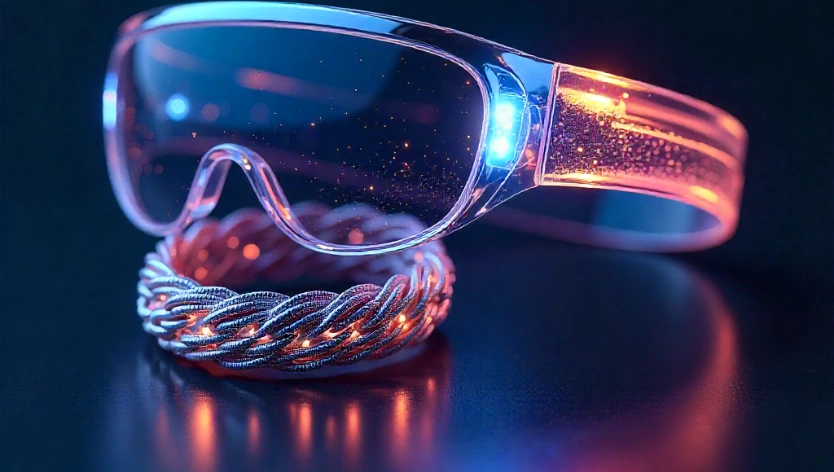
Introduction
Wearable technology has moved far beyond step counters and novelty gadgets. Today, wearables are helping people understand their health, improve fitness habits, simplify daily routines, and even interact with smart homes. Yet many beginners still ask the same question: what is wearable technology, and how useful is it in real life?
This article explains wearable technology in simple terms, covers the main types of smart wearables, explains how they work, highlights real-world benefits and limitations, and explores the future of wearable technology based on user experiences and emerging trends.
Definition of Wearable Technology
Wearable technology refers to electronic devices designed to be worn on the body, such as on the wrist, finger, head, or clothing, that collect data and provide digital functionality in real time.
In practical terms, wearable technology explained means:
Devices you wear that track health, activity, or behavior and turn that data into useful insights through apps and software.
Unlike smartphones, wearables work continuously in the background, offering ongoing awareness rather than occasional interaction.
For a deeper look at how wearables are evolving, see Smart Wearables Future Tech.
Types of Smart Wearables
Understanding device categories helps beginners choose the right wearable for their needs.
Smartwatches
Smartwatches are wrist-worn wearable devices that combine health tracking, communication, and productivity features into one compact product. They are widely used for monitoring heart rate, sleep, workouts, notifications, and even contactless payments. Their utility lies in convenience and real-time access to data without needing a phone. In the future, smartwatches are expected to offer more medical-grade health monitoring, deeper AI-powered insights, and tighter integration with smart home ecosystems. Smartwatches are the most versatile wearables, combining communication, health tracking, and productivity tools.
Common features:
- Notifications, calls, and messages
- Heart rate, sleep, and activity tracking
- GPS and workout monitoring
Smartwatches suit users who want convenience + health tracking in one device.
2026 Smartwatch Guide: Which Model Fits Your Lifestyle?

Fitness Bands
Fitness bands are lightweight wearables designed primarily for activity and wellness tracking. They focus on essentials like step counting, sleep monitoring, heart rate tracking, and daily movement goals. Their utility is simplicity, affordability, and long battery life, making them ideal for beginners. Future fitness bands will likely incorporate improved sensors, better accuracy, and more personalised health insights while maintaining a minimalist, distraction-free design. Fitness bands focus on simplicity and long battery life.
Best for:
- Step tracking
- Sleep monitoring
- Basic fitness goals
They are ideal smart wearables for beginners who want affordable and distraction free tracking.
Smart Rings
Smart rings are compact wearable devices worn on the finger that offer advanced health tracking in a discreet form. They are commonly used for monitoring sleep quality, heart rate variability, and blood oxygen levels. Their main utility is passive, continuous tracking without screens or notifications. In the future, smart rings are expected to support advanced metrics such as stress levels, recovery insights, and non-invasive health monitoring through improved sensor technology. Smart rings offer powerful health insights in a minimalist form.
What they track:
- Sleep quality
- Heart rate variability (HRV)
- Blood oxygen (SpO₂)
Smart rings are popular among users who want passive health monitoring without screens.
AR Glasses & Head-Mounted Wearables
AR glasses and head-mounted wearables overlay digital information onto the real world, enabling immersive and hands-free experiences. They are currently used for navigation, work productivity, training, and entertainment. Their utility lies in blending physical and digital environments seamlessly. As the technology evolves, future AR wearables are expected to become lighter, more affordable, and more practical for everyday use, driven by advances in AI, optics, and battery efficiency. Augmented Reality (AR) wearables overlay digital information onto the real world.
Use cases include:
- Navigation and directions
- Work and productivity
- Immersive entertainment
AR wearables represent a growing segment of the future of wearable technology, though mainstream adoption is still evolving.
Key Sensor Types in Smart Wearables
How Wearable Technology Works
Wearable technology works by combining sensors, wireless connectivity, and intelligent software. Sensors collect data such as movement, heart rate, and sleep patterns, which is transmitted via Bluetooth or Wi-Fi to companion apps. AI processes this data to identify trends and deliver insights. In the future, wearables will rely more on predictive analytics and real time processing, enabling proactive health alerts and smarter automation across connected devices.
Sensors: The Data Foundation
Wearables rely on multiple sensors, including:
- Optical heart rate sensors
- Accelerometers and gyroscopes
- Temperature and blood oxygen sensors
These sensors collect continuous data throughout the day.
Connectivity & Ecosystems
Wearables sync data using:
- Bluetooth
- Wi-Fi
- Cellular (in advanced models)
Most wearables work as part of a larger ecosystem, integrating with smartphones, apps, and sometimes smart home platforms.
AI & Intelligent Insights
Modern wearables use AI to:
- Identify trends over time
- Detect irregular patterns
- Offer personalized recommendations
Many users discussion frequently note that trends matter more than single readings, a key point beginners should understand.
Real-World Benefits And Honest Limitations
Wearables provide real world value by increasing awareness of health, fitness, and daily habits. They help users stay active, improve sleep routines, and simplify everyday tasks. However, their limitations include data variability and the risk of over-reliance on metrics. Future wearables aim to overcome these challenges by improving accuracy, focusing on long-term trends, and delivering clearer, more actionable insights instead of raw data.

Health Awareness, Not Medical Diagnosis
One of the most consistent real-world insights from wearable users is this:
Wearables improve awareness and behaviour, not medical diagnosis.
They help users notice:
- Poor sleep patterns
- Low activity levels
- Elevated stress indicators
However, wearables are not replacements for doctors or medical equipment. Their strength lies in long-term pattern tracking.
Fitness Motivation & Habit Building
Wearables are highly effective at:
- Encouraging movement
- Supporting consistency
- Reinforcing healthy habits
Users report that wearables work best when used as feedback tools, not perfection trackers.
Lifestyle Convenience
Wearables reduce friction by:
- Delivering glanceable notifications
- Enabling contactless payments
- Managing reminders hands-free
This convenience is a major reason wearables remain popular even beyond fitness.
Smart Home Control & Automation
Many wearables now integrate with smart home ecosystems, allowing users to:
- Control lights and thermostats
- Receive security alerts
- Trigger automation routines
This positions wearables as personal remote controls for smart living.
Design & UX: Why Wearables Are Different
Wearables face unique design and UX challenges due to their small size, constant wear, and limited interaction time. Comfort, battery life, and intuitive interfaces are critical for long term use. Their utility depends on delivering meaningful information with minimal distraction. In the future, wearable design will shift toward ambient interactions, gesture controls, and automation, reducing the need for screens while improving usability and user experience.
Wearable design faces unique challenges:
- Limited screen space
- Comfort for all-day wear
- Minimal interaction time
Successful wearables prioritize:
- Comfort and ergonomics
- Clear, glance-based information
- Seamless interaction with other devices
Future wearables may rely less on screens and more on ambient feedback, gestures, and automation.
The Future of Wearable Technology
The future of wearable technology is centered on smarter, more integrated, and more personalized experiences. Wearables are evolving beyond fitness tracking into preventive health, smart home control, and AI-driven insights. Future devices may support advanced health metrics, predictive monitoring, and seamless integration across digital ecosystems. As technology matures, wearables are expected to become essential digital companions rather than optional accessories.
Based on emerging trends and user expectations, the future includes:
- Medical-grade health monitoring
- Non-invasive glucose and hydration tracking
- Predictive insights powered by AI
- Smaller, more discreet form factors
Wearables are evolving from trackers into intelligent digital companions.
For a complete trend breakdown check Smart Wearables Future Tech
Frequently Asked Questions About Wearable Technology
Do wearable devices really improve health?
Yes, but mainly by improving awareness and habits. Wearables help users understand patterns in activity, sleep, and stress, encouraging healthier routines over time.
Are smartwatch health readings accurate?
Wearables are generally accurate for trends over time, such as resting heart rate or sleep consistency. Individual readings like calorie burn can vary and should not be treated as exact measurements
Can wearables replace medical devices?
No. Wearables support preventive care and monitoring but are not substitutes for professional medical diagnosis or treatment.
What new health features are coming to wearables?
Future wearables may track blood glucose, hydration, stress, and early illness indicators using advanced sensors and AI analytics.
How do wearables connect with smart homes?
Wearables often act as controllers or notification hubs within smart home ecosystems, enabling hands-free automation and real-time alerts.
[…] their bodies, improve daily habits, and spot potential health issues earlier than ever before. As smart wearables future tech continues to evolve in 2026, health-focused devices are becoming essential tools rather than […]
[…] What Is Wearable Technology? A Beginner’s Guide to Smart Wearables […]
[…] For a deeper look at how wearables are evolving, see Smart Wearables Future Tech. […]
[…] What Is Wearable Technology? A Beginner’s Guide to Smart Wearables […]