
Introduction
Choosing between a smart ring vs smartwatch feels simple at first. Both track health. Both promise insights. Both claim to improve your daily routine. But after living with either device for a few weeks the difference becomes surprisingly personal.
It is not really about technology. It is about comfort during sleep. It is about whether you enjoy seeing metrics mid workout. It is about how much digital noise you want on your body every day.
If you are trying to decide which wearable deserves space in your life this comparison walks you through what actually matters in daily use.
Read More: Smart Wearable for the Future ? Wear It to Believe It
Comfort and Everyday Wear
The first thing you notice is how it feels on your body. A smart ring is small light and discreet. Once it is on your finger it almost disappears. You type with it cook with it sleep with it and rarely think about it. That subtle presence is one of its biggest advantages.
A smartwatch sits on your wrist and makes its presence known. You feel it when lifting weights. You feel it when resting your head at night. You feel it when sleeves press against it.
If comfort and minimalism matter most a ring tends to blend into life more naturally. If you are used to wearing watches already the adjustment period is shorter and the presence feels intentional rather than intrusive.
Sleep Tracking Experience
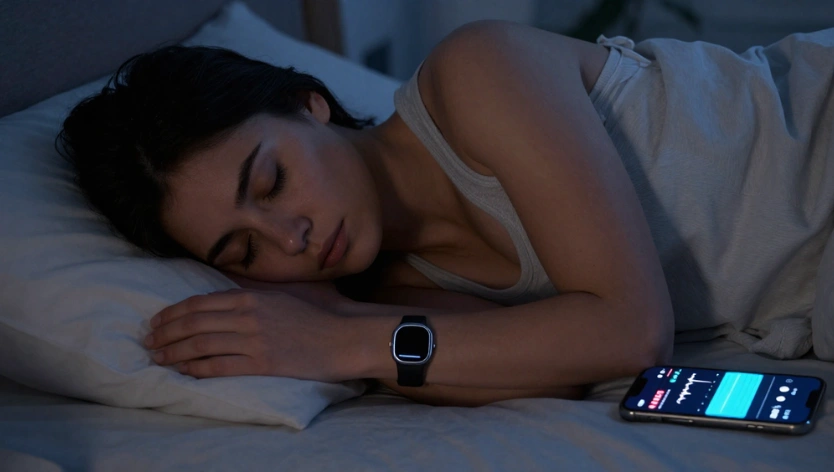
Sleep tracking is where many people notice a real difference. Wearing a ring overnight feels effortless. There is no glowing screen and no pressure on the wrist. Because of its constant contact with the finger it captures steady heart rate and HRV patterns through the night. Reviewing your sleep score in the morning feels calm and focused.
Wearing a smartwatch overnight works well for data collection but some people remove it simply because it feels bulky while sleeping. Charging schedules can also interfere with consistent overnight tracking.
Devices such as the Oura Ring 4 and Samsung Galaxy Ring are especially known for detailed sleep insights. On the watch side the Apple Watch Ultra 2 and Garmin Venu 3 provide comprehensive sleep tracking within a larger fitness ecosystem.
If sleep is your priority the ring often feels more natural night after night.
Smart Ring vs Smartwatch: Workout Tracking and Real Time Feedback
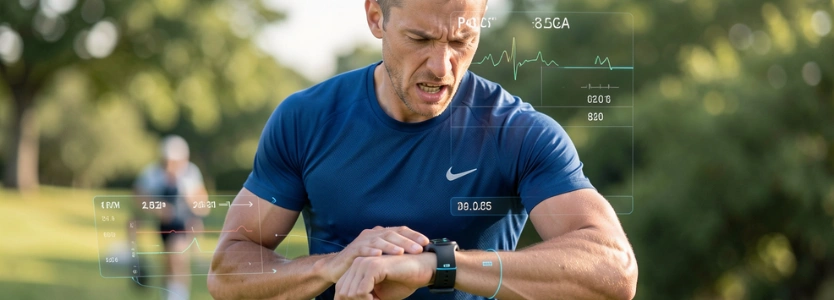
During workouts the experience shifts dramatically. A smartwatch becomes a live performance dashboard. You glance down and see pace heart rate zones distance and time. You adjust effort in the moment. That real time feedback can be motivating and powerful especially for runners cyclists and structured training enthusiasts.
A ring tracks activity but without a screen the insight comes later inside the app. You complete the workout first then review the data. That delayed feedback works well for casual movement but may feel limiting for performance focused training.
If you rely on real time pacing and metrics a smartwatch offers a level of interaction that rings simply do not aim to provide.
Recovery and Long Term Health Trends
When the focus shifts from performance to recovery rings often feel purpose built.
Smart rings tend to emphasize readiness stress balance HRV trends and sleep quality over days and weeks. The insights feel reflective rather than reactive. You wake up and see how recovered you are before deciding how hard to train.
The Ultrahuman Ring AIR and RingConn Gen 2 are often chosen by people who want a strong recovery focus without constant screen interaction.
Smartwatches also offer recovery data especially advanced models from Garmin Ltd. and Apple Inc. but their experience still revolves heavily around activity and performance.
If your main goal is understanding how your body feels rather than how fast you ran yesterday the ring approach can feel more aligned.
Battery Life and Charging Routine
Battery life quietly shapes the ownership experience. Smart rings often last several days and sometimes close to a week before needing a charge. Because there is no display draining power the charging routine feels less demanding.
Smartwatches with bright screens GPS and frequent notifications often require daily or near daily charging. Missing a charge can mean missing a workout or sleep session. If you prefer a set it and forget it rhythm rings usually feel less disruptive.
Read More: Best Wearables for Kids & Families in 2026
Notifications and Digital Noise
A smartwatch connects you directly to your phone. Messages appear calls vibrate calendar reminders pop up. It can reduce the need to pull your phone from your pocket yet it also increases the sense of being constantly reachable.
A ring keeps things quieter. Most models focus primarily on health insights rather than communication alerts. This creates a calmer wearable experience.
If you want fewer digital interruptions a ring naturally supports that intention. If staying connected without checking your phone matters more a smartwatch delivers that convenience.
App Ecosystem and Integration
Smartwatches often sit at the center of a broader ecosystem. The Samsung Galaxy Watch Ultra integrates smoothly with Samsung Health. The Apple Watch connects deeply with Apple Fitness and the iPhone experience. Data flows easily between devices.
Smart rings typically sync with major health platforms but maintain a narrower focus. The experience feels streamlined rather than expansive. You open the app to check readiness sleep and trends without navigating layers of features.
The decision here depends on whether you want a central digital hub on your wrist or a specialized health companion on your finger.
Style and Aesthetic Presence
Style influences everyday satisfaction more than people expect. A ring looks like jewelry. It blends into professional settings and formal events. It does not draw attention as technology.
A smartwatch looks like technology. That can be appealing if you enjoy a modern tech forward aesthetic. It can also feel out of place in certain dress settings. If subtlety matters the ring usually feels more versatile.
Durability and Physical Demands
Daily life tests durability. Rings can collect scratches especially during weightlifting or manual work. Choosing the correct size also matters because finger swelling in heat can affect comfort.
Smartwatches can experience strap wear or screen scratches but they are easier to remove during heavy lifting. Durability depends more on your routine than on the device category itself.
Long Term Satisfaction and Habit Change
The deeper question is how the device shapes behavior over time. Rings tend to encourage reflection. You check your recovery score in the morning. You adjust sleep habits. You notice stress trends. The device feels like a quiet health companion.
Smartwatches encourage action. You close activity rings track splits hit step goals and respond to alerts. The experience feels dynamic and performance driven. Neither approach is better. They simply support different mindsets.
Best Devices Smart Rings & Smartwatches
Here are some wearables preferred by users:
Smart Rings (Great for Sleep & Recovery)
- Oura Ring 4 – Best overall smart ring for health insights and sleep tracking
- Samsung Galaxy Ring – Strong sleep metrics and Android health integration
- Ultrahuman Ring AIR – Lightweight, comfort-focused ring with recovery features
- RingConn Gen 2 – Long battery life and balanced monitoring (community favorite)
- Amazfit Helio Ring – Value-focused ring with basic fitness tracking
Smartwatches (Best for Workout Tracking & Notifications)
- Apple Watch Ultra 2 – Premium all-around training and health features
- Garmin Venu 4 – Excellent performance and health insights
- Google Pixel Watch 3 – Best Android-centric smartwatch choice
- Samsung Galaxy Watch Ultra – Rugged option with long battery life
- Fitbit Inspire 3 – Budget-friendly smartwatch/fitness tracker mix
Can You Use Both ?
Some people eventually choose both. A smartwatch for workouts and daytime activity. A ring for sleep and recovery. This combination covers nearly every health metric while balancing comfort and functionality.
It is not necessary for everyone but it can offer a comprehensive picture of your health.
Final Thoughts
The choice between a smart ring and a smartwatch is less about features and more about how you want to experience your health data. If you value subtle tracking deep sleep insights and fewer interruptions a smart ring may feel like the perfect fit.
If you thrive on live workout metrics notifications and ecosystem integration a smartwatch may suit you better. The right device is the one you will actually wear every day. When comfort meets consistency that is where real insight begins.
Frequently Asked Questions
1. Is a smart ring more accurate than a smartwatch
For sleep tracking and recovery metrics many users find smart rings like the Oura Ring 4 deliver highly consistent HRV and overnight heart rate data. For workouts GPS tracking and real time performance metrics smartwatches such as the Apple Watch Ultra 2 or Garmin Venu 3 tend to be more precise.
If your priority is recovery rings often feel more reliable. If performance tracking matters most watches usually lead.
2. Can a smart ring replace a smartwatch completely
It depends on your lifestyle. A smart ring can replace a smartwatch if you mainly care about sleep readiness stress tracking and passive health monitoring.
However if you rely on notifications calls GPS workouts and real time metrics a smartwatch remains more practical.
Some people eventually use both for complete coverage.
3. Which is better for gym workouts
Smartwatches are generally better for strength training and cardio sessions because you can see reps time pace and heart rate instantly on screen.
Rings track movement and heart rate trends but lack live feedback during sessions. If you train seriously a smartwatch offers more control.
4. Do smart rings have better battery life
Yes in most cases. Devices like the Samsung Galaxy Ring or Ultrahuman Ring AIR can last several days without charging.
Smartwatches especially GPS heavy models such as the Samsung Galaxy Watch Ultra often require daily or near daily charging.
If low maintenance matters rings usually win.
5. Are smart rings comfortable to wear all day
Most users report forgetting they are wearing a ring after a short adjustment period. They are lightweight subtle and sleep friendly.
However proper sizing is critical since finger swelling can affect comfort.
6. Which device is better for sleep tracking
Smart rings are often preferred for sleep because they are less intrusive and maintain steady skin contact.
Smartwatches track sleep well too but may feel bulkier overnight.
7. Is it worth owning both a smart ring and a smartwatch
If you want detailed workout metrics plus deep recovery insights combining both devices can provide the most complete health picture.
Many active individuals use a smartwatch for training and a ring for sleep and readiness tracking.
8. Which option is better for minimalists
If you prefer fewer notifications less screen time and subtle design a smart ring aligns better with a minimalist lifestyle.
If you enjoy staying connected without reaching for your phone a smartwatch provides more functionality.
[…] Read More: Smart Ring vs Smartwatch […]
vardenafil hydrochloride
vardenafil hydrochloride
cialis in canada
cialis in canada
viagra for men buy online
viagra for men buy online
[…] Read More: Smart Rings vs Smartwatches: Which Should You Buy? […]
buy antibiotics for uti
buy antibiotics for uti
[…] Read More: Smart Rings vs Smartwatches: Which Should You Buy? […]
[…] Read More: Smart Rings vs Smartwatches: Which Should You Buy? […]
what is misoprostol
what is misoprostol