
Introduction
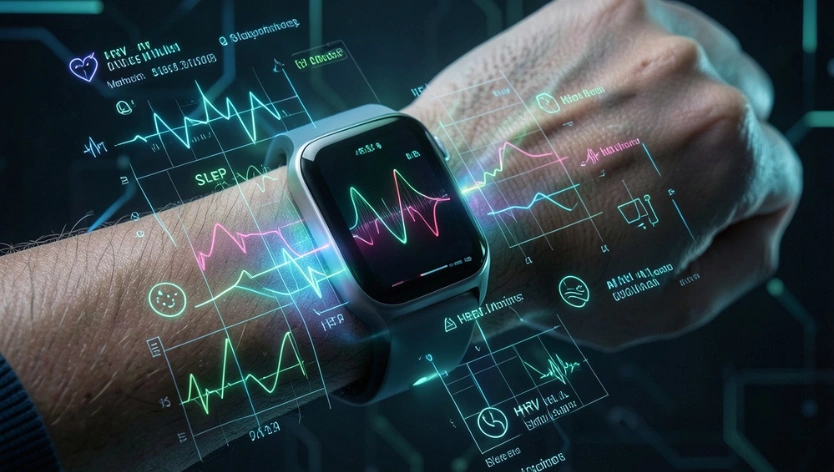
A tiny green light flashes underneath the wrist. Sleep scores appear before the morning coffee even starts brewing. Stress alerts arrive during chaotic workdays without anyone manually entering a single detail. Modern wearables feel almost invisible until realizing how much they quietly observe every day.
Smartwatches fitness bands and health trackers no longer exist just to count steps. These devices now attempt to understand the body in real time through a network of miniature sensors hidden beneath polished glass and metal.
Most users check heart rate or sleep data without thinking much about where those numbers come from. Yet behind every notification sits an advanced system of optics motion tracking electrical signals and artificial intelligence working continuously throughout the day.
The technology inside wearables has evolved faster than most people realize. A device sitting casually on the wrist can now estimate recovery stress movement blood oxygen sleep quality and even unusual heart rhythms. That shift changed wearables from simple fitness accessories into personal health companions.
Understanding how wearable sensors work makes it much easier to separate genuinely useful technology from flashy marketing claims.
The Tiny Science Lab Sitting on the Wrist
Most wearable devices look surprisingly simple from the outside. Underneath the surface sits a compact sensor ecosystem constantly collecting biological and physical information:
- Heart rhythm changes
- Movement patterns
- Oxygen fluctuations
- Sleep behavior
- Recovery signals
- Stress indicators
The fascinating part is how quietly it all happens. A person can spend an entire day traveling exercising working or sleeping while sensors continue collecting data in the background without interruption. The wearable itself does not “understand” health directly. It gathers raw measurements and converts them into readable insights using software algorithms.
That explains why two smartwatches using similar hardware may still deliver completely different wellness scores. The sensor matters. The interpretation matters even more.
Read More: What Is Wearable Technology?
Why Smartwatches Glow Green Underneath
That glowing green light underneath most smartwatches became one of the most recognizable parts of wearable technology. Many people assume it simply “reads the pulse.” The actual process is far more sophisticated.
Most wearables rely on a technology called photoplethysmography or PPG.
The sensor shines light into the skin and measures how blood flow changes with each heartbeat. Blood absorbs light differently than surrounding tissue. Every pulse slightly changes the amount of blood moving beneath the skin surface. The wearable detects those tiny fluctuations and converts them into heart rate data.
Green LEDs became popular because green light works especially well near the skin surface. That tiny blinking sensor underneath the watch continuously performs rapid optical measurements all day long.
The system usually performs well during:
- Walking
- Resting
- Sleep
- Light workouts
Things become more difficult during:
- Intense interval training
- Weightlifting
- Cycling
- Heavy wrist movement
Sweat tattoos loose fit and aggressive motion can interfere with optical readings. That explains why smartwatch heart rate numbers occasionally spike or behave unpredictably during hard workouts. The wearable is not directly “seeing” the heart. It is interpreting blood flow patterns while the body moves constantly.
The Difference Between PPG and ECG Sensors
Wearable health technology became far more advanced once ECG sensors entered consumer devices. PPG measures blood flow using light. ECG measures electrical activity from the heart itself.
ECG=Electrical Activity of the Heart Over Time
Certain premium smartwatches now allow users to record heart rhythm patterns directly from the wrist.
This usually works when:
- One sensor touches the wrist
- Another touches a finger
- The body completes a tiny electrical circuit
The wearable then measures electrical heart signals in real time. This technology gained major attention because it introduced medical-style monitoring into everyday consumer gadgets.
That does not mean smartwatches replace hospitals or professional diagnostic equipment. But wearable ECG systems can sometimes detect irregular rhythm patterns early enough to encourage medical follow-up. That possibility transformed wearables from casual fitness tools into something far more personal and emotionally significant.
How Wearables Count Steps Without Actually Counting Steps
Step tracking sounds simple until realizing how many random wrist movements happen during ordinary life. Wearables rely heavily on accelerometers and gyroscopes to interpret body motion.
Accelerometers
Accelerometers measure changes in movement speed and direction.
a=Δv / Δt
The wearable analyzes movement signatures while walking running climbing stairs or exercising. Instead of counting literal footsteps the device estimates patterns associated with walking behavior. That is why wearables sometimes accidentally register steps while:
- Washing dishes
- Pushing luggage
- Driving on rough roads
- Moving hands aggressively
The system identifies repeating motion patterns rather than individual footsteps.
Gyroscopes
Gyroscopes measure orientation and rotational movement. This helps wearables understand:
- Cycling
- Swimming
- Wrist rotation
- Sleep movement
- Workout transitions
Combining accelerometers with gyroscopes creates more accurate activity recognition. Some premium wearables can automatically identify workouts within minutes because the sensors continuously analyze motion behavior in real time.
Read More: Ultimate Fitness Trackers With Automatic Workout Detection & Recovery Analytics:
How Wearables Track Sleep During the Night
Sleep tracking remains one of the most fascinating parts of wearable technology because the device monitors unconscious behavior for hours without cameras or microphones. Most wearables combine several systems during sleep:
- Heart rate tracking
- Movement analysis
- HRV monitoring
- Respiratory estimation
The wearable then predicts:
- Light sleep
- Deep sleep
- REM sleep
- Wake periods
- Sleep interruptions
The device is not directly observing sleep stages. It estimates them based on physiological behavior.
For example:
- Deep sleep often includes reduced movement and lower heart rate
- REM sleep may show more irregular patterns
Sleep tracking became especially valuable for:
- Frequent travelers
- Athletes
- Shift workers
- Burned-out professionals
Travel fatigue became one of the biggest wearable use cases because devices can often detect recovery decline before exhaustion fully sets in. A smartwatch noticing poor recovery after multiple flights suddenly feels far more useful than a simple step counter.

The Growing Obsession With Stress and Recovery Scores
Modern wearables increasingly focus less on exercise and more on recovery. That trend exploded because people became curious about how stress work sleep travel and lifestyle habits affect the body continuously. Most recovery systems rely heavily on HRV or heart rate variability.
What HRV Actually Means
HRV measures tiny timing differences between heartbeats.
HRV=Variation Between Consecutive Heartbeats
A perfectly consistent heartbeat is not necessarily ideal. Healthy nervous systems naturally create small variations between beats.
Higher HRV is often associated with:
- Better recovery
- Lower stress
- Improved resilience
- Rested physiology
Lower HRV may appear during:
- Illness
- Sleep deprivation
- Heavy stress
- Overtraining
- Jet lag
Wearables estimate these patterns during quiet periods or sleep. The emotional appeal of HRV tracking is powerful because it turns invisible stress into visible information.
People became fascinated with seeing how:
- Alcohol affects recovery
- Long flights reduce readiness
- Poor sleep impacts stress
- Work pressure changes physiology
That emotional feedback loop helped wearables become deeply personal devices instead of simple gadgets.
Why Blood Oxygen Sensors Became So Popular
Blood oxygen tracking expanded rapidly across smartwatches and fitness bands over the last few years. These sensors estimate oxygen saturation levels using red and infrared light.
SpO2= Oxygenated Hemoglobin / Total Hemoglobin
Different oxygen levels affect how light reflects beneath the skin. The wearable analyzes those reflections to estimate oxygen saturation.
SpO2 tracking became popular because users connected it with:
- Sleep quality
- Altitude adaptation
- Recovery monitoring
- Respiratory wellness
- Athletic performance
Travelers hiking at high elevation often monitor oxygen trends during mountain trips. Some wearables also combine oxygen tracking with sleep analysis to estimate nighttime breathing irregularities. Consumer devices are not medical diagnostic tools. Still the technology pushed wearables further into health-focused territory.
Why Wearables Sometimes Get Things Wrong
One of the biggest misconceptions surrounding wearable technology is the assumption that every reading is perfectly accurate. Reality is far more nuanced. Wearables perform best at tracking long-term trends rather than producing flawless medical-grade precision. Several factors affect sensor accuracy:
- Wrist movement
- Tattoos
- Skin tone variations
- Sweat
- Loose fit
- Cold weather
- Exercise intensity
Optical sensors especially struggle during unpredictable motion. That explains why:
- Sprint workouts confuse heart rate tracking
- Cycling vibration affects readings
- Strength training creates inconsistent data
Athletes often use chest straps during serious training because chest straps measure electrical activity directly instead of relying on optical estimation. Still wearable technology improves rapidly each year through:
- Better sensors
- Smarter AI interpretation
- Multi-sensor analysis
- Improved algorithms
The most trustworthy wearable brands openly discuss limitations instead of pretending the technology is perfect. That honesty builds stronger long-term consumer trust.
The Shift From Fitness Tracking to Lifestyle Intelligence
Early fitness trackers focused mainly on:
- Step goals
- Calories
- Workout streaks
Modern wearables feel much more sophisticated. Devices now combine multiple sensors together simultaneously to create broader health narratives. A smartwatch may analyze:
- Sleep quality
- Stress patterns
- Oxygen levels
- Recovery state
- Heart behavior
- Activity intensity
Instead of isolated numbers the wearable attempts to explain how the body is functioning overall. That transformation changed consumer expectations completely. People increasingly want:
- Preventive health awareness
- Personalized wellness insights
- Early warning signals
- Smarter recovery guidance
The emotional value became more important than raw sensor specifications. Most users care less about the sensor itself and more about understanding what the body is trying to communicate.
Read More: Wearables for Sports Performance Tracking for Gamers
Which Wearable Sensors Matter Most for Different Users
Not every person needs every wearable feature. Different lifestyles benefit from different sensors.
For Travelers
Useful sensors include:
- Sleep tracking
- Stress monitoring
- Recovery scores
- GPS
- Blood oxygen tracking
Frequent travel disrupts sleep and recovery heavily.
For Athletes
Important sensors include:
- Heart rate monitoring
- ECG
- GPS
- Accelerometers
- Recovery tracking
Performance-focused users care more about workout precision and physiological feedback.
For Casual Wellness Users
Most people benefit mainly from:
- Activity tracking
- Sleep monitoring
- Heart rate alerts
- Basic stress estimation
Many advanced metrics become unnecessary for casual use. That is why affordable fitness bands remain extremely popular despite lacking premium medical-style features.
The Future of Wearable Sensors Looks Far More Personal
The next generation of wearables may look dramatically different from today’s smartwatches.
echnology companies are already exploring:
- Non-invasive glucose tracking
- Continuous hydration monitoring
- Smart clothing sensors
- Skin patch wearables
- Emotional state estimation
- Advanced temperature analysis
The wearable industry is gradually moving toward passive health intelligence operating quietly in the background. Future devices may eventually identify:
- Early illness signals
- Chronic stress buildup
- Metabolic shifts
- Recovery decline
- Cardiovascular warning signs
Artificial intelligence will likely become even more important by analyzing long-term body trends rather than isolated daily numbers. Wearables are slowly evolving from activity trackers into continuous health interpretation systems.
Read More: Next-Generation Smartwatches of the Future
Why Wearables Became More Than Gadgets
The earliest fitness trackers mainly encouraged movement. Modern wearables feel more intimate than that. These devices now monitor:
- Sleep quality
- Recovery patterns
- Stress response
- Heart behavior
- Daily physiological changes
That emotional connection transformed wearables into something much bigger than consumer electronics. They became:
- Health companions
- Behavioral mirrors
- Wellness assistants
- Lifestyle feedback systems
The technology still has limitations. Sensors occasionally fail. Algorithms sometimes misinterpret behavior. Marketing claims can exceed scientific reality.
Yet the overall transformation remains remarkable.
Tiny devices sitting casually on the wrist can now detect physiological patterns that once required specialized medical equipment. That invisible network of sensors quietly changed everyday accessories into some of the most fascinating technologies in modern life.
The next time a smartwatch flashes a stress alert after a long flight or tracks recovery after poor sleep the experience feels less mysterious after understanding what is happening underneath the screen.
Those tiny sensors are constantly translating the language of the body into digital signals people can finally see.
Frequently Asked Questions
How do wearable sensors track heart rate?
Most wearables use optical PPG sensors that shine light into the skin and measure blood flow changes caused by heartbeats
Why do smartwatches use green lights?
Green light works especially well for detecting blood movement near the skin surface which improves heart rate tracking accuracy.
What is the difference between ECG and PPG sensors?
PPG measures blood flow using light while ECG measures the electrical activity generated by the heart.
Are wearable sensors medically accurate?
Consumer wearables are useful for tracking trends and wellness insights but they are not replacements for professional medical devices.
Why do fitness trackers sometimes count fake steps?
Wearables estimate movement patterns rather than literal footsteps which means certain wrist motions can accidentally trigger step counts.
How do smartwatches track sleep?
Wearables combine heart rate movement breathing estimation and HRV data to predict sleep stages and interruptions.
What is HRV in wearables?
HRV or heart rate variability measures tiny timing differences between heartbeats and is often used to estimate recovery and stress levels.
Can wearables really measure stress?
Many devices estimate stress using HRV heart rate patterns breathing behavior and activity data.
Why do smartwatch heart rate readings fail during workouts?
Heavy wrist movement sweat tattoos and loose fit can interfere with optical sensors during intense exercise.
Which sensors matter most for travelers?
Sleep tracking, recovery monitoring ,GPS and blood oxygen sensors are especially useful for frequent travelers.
Do expensive smartwatches have better sensors?
Premium wearables often use more advanced sensor arrays and improved software algorithms for higher accuracy.
Can wearable sensors detect illness?
Some wearables may notice unusual physiological patterns such as elevated resting heart rate or reduced recovery before symptoms appear.
How do wearables measure blood oxygen?
SpO2 sensors use red and infrared light to estimate oxygen saturation levels beneath the skin.
What future wearable sensors are coming next?
Future devices may include glucose tracking hydration monitoring emotional analysis and smart clothing sensors.
Are fitness bands better than smartwatches for health tracking?
Fitness bands often focus heavily on wellness tracking while smartwatches combine health features with broader app and communication features.
