
Introduction
There was a time when smartwatches felt futuristic simply because they could mirror phone notifications on a wrist-sized screen. That novelty wore off quickly. Now the conversation around wearable technology feels very different.
People are no longer asking whether a smartwatch can count steps or display texts. The bigger question has quietly become far more interesting:
What happens when wearable devices start understanding daily life better than the phones in pockets?
That shift is already happening.
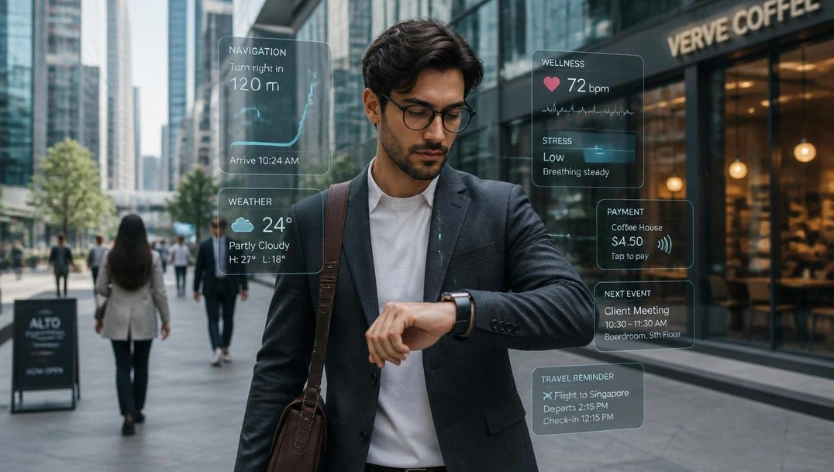
The smartwatches of the future are moving beyond fitness trends and productivity gimmicks into something more personal, predictive, and surprisingly invisible. The next generation of wearable technology is expected to blend AI, biometric tracking, travel convenience, health intelligence, and ambient computing into devices that may eventually feel less like gadgets and more like silent digital companions.
Oddly enough, the future of smartwatches may involve staring at screens less often. And that might be exactly why the wearable industry is entering its most important phase yet.
Read More: How Wearables Connect With Your Smart Home
Smartwatches No Longer Feel Futuristic Enough
A strange thing happened over the past few years. Smartwatches became normal.
The early excitement around tapping tiny screens, replying to messages from the wrist, and tracking workouts slowly settled into routine behavior. Most devices now follow the same formula: notifications, health tracking, payment support, GPS, and fitness metrics wrapped inside increasingly similar hardware designs.
For many users, especially travelers and busy professionals, smartwatch fatigue is becoming real.
Battery anxiety still exists. Sleep tracking still feels inconsistent on some devices. Notifications often create more distraction than convenience.
And despite all the marketing around “next generation smartwatches,” many upgrades feel incremental rather than transformational. That frustration is pushing wearable companies toward a different direction entirely. The future wearable gadgets entering development labs are becoming less focused on adding more features and more focused on removing friction from everyday life.
That distinction matters.
People don’t necessarily want smarter screens on their wrists anymore. They want technology that quietly helps without constantly demanding attention. The companies that understand this shift may end up defining the next decade of wearable technology.
Smartwatches Of the Future of May Be Less Visible
One of the most interesting trends surrounding smartwatches of the future is that many upcoming wearable concepts may not even look like traditional watches.
The industry is already experimenting with:
- Smart Rings
- AI-powered earbuds
- Augmented reality glasses
- Biometric clothing
- Ambient wearable sensors
Instead of placing everything on a watch display, future wearable technology may spread across multiple lightweight devices working together invisibly. That idea sounds futuristic until realizing parts of it already exist.
Smart rings can monitor sleep and recovery without bulky screens. AI assistants are becoming increasingly voice-driven. Smart glasses are slowly evolving beyond awkward early designs. Meanwhile, smartwatch companies are investing heavily in advanced wearable devices capable of monitoring health continuously in the background.
The direction feels clear. Technology is trying to disappear visually while becoming more integrated into daily routines. Ironically, the best wearable experiences of the future may involve interacting with devices less frequently.
Health Tracking Is Becoming the Real Innovation Race
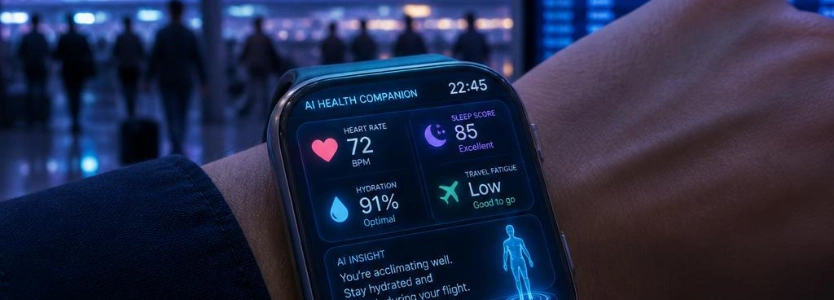
Fitness tracking helped smartwatches become mainstream. Health intelligence may turn them into essential devices. That distinction explains why nearly every major wearable brand is aggressively investing in biometric tracking, AI wellness systems, and predictive health tools.
The next generation smartwatches are expected to go far beyond calorie counting and step tracking.
The focus is shifting toward:
- Stress prediction
- Recovery analysis
- Sleep intelligence
- Heart irregularity detection
- Hydration insights
- Respiratory monitoring
- Mental wellness indicators
The long-term goal appears surprisingly ambitious. Instead of simply tracking what already happened, smartwatches of the future may eventually predict what could happen next. That possibility changes the emotional relationship people have with wearable devices.
A fitness tracker is helpful. A wearable device capable of identifying potential health problems early feels much more personal.
That’s one reason health-focused wearables are becoming increasingly attractive even among people who rarely visit gyms or track workouts. The audience is expanding from fitness enthusiasts to everyday users concerned about energy, stress, sleep quality, and long-term wellness.
Read More: How Wearable Sensors Work Inside Smartwatches
The Most Anticipated Smartwatch Feature Isn’t Flashy at All
Ask people about technology of smartwatches of the future and many answers sound surprisingly practical.
Not holograms. Not sci-fi projections. Not virtual avatars. It’s Battery life.
Across wearable communities and user discussions, week-long battery performance consistently appears as one of the most requested improvements. That says a lot about how consumers view current smartwatches.
People appreciate wearable convenience, but daily charging still feels annoying for devices meant to stay attached to the body most of the time. The companies solving this problem first could gain a major advantage.
Several innovations are already moving in that direction:
- Low-power AI chips
- Solar charging concepts
- Kinetic energy charging
- Advanced battery materials
- Adaptive power optimization
The smartest wearable technology may not be the device with the most features. It may simply be the one that works quietly for days without interruption. Convenience often wins over spectacle.
Future Smartwatches Could Quietly Transform Travel
Travelers may end up becoming one of the biggest beneficiaries of future wearable technology. Airports, hotels, maps, boarding passes, payments, translations, and schedules already live inside smartphones. Smartwatches of the future may streamline many of those interactions further.
Imagine landing in another country while a wearable device automatically:
- Translates conversations
- Guides navigation
- Updates gate changes
- Processes payments
- Tracks fatigue
- Adjusts local schedules
- Monitors hydration during long flights
That level of contextual assistance feels closer than many people realize. Travel gadgets are increasingly blending with wearable AI systems designed to reduce friction rather than add more screens. Future-ready, smartwatches of the future could become digital travel companions rather than notification mirrors.
This matters because modern travel often feels overloaded with logistical stress. Tiny inconveniences pile up quickly:
- Finding directions
- Handling boarding passes
- Switching currencies
- Checking time zones
- Managing battery life
- Keeping phones charged
Wearables capable of simplifying those small moments may become incredibly valuable. Particularly for frequent travelers.
AI Smartwatches Are Moving Toward Predictive Assistance
Artificial intelligence is becoming one of the defining forces behind advanced wearable devices. Not because people want smarter notifications. But because wearable AI can create context.
That distinction changes everything.
Instead of reacting after commands, future AI smartwatches may proactively assist based on behavior patterns, biometrics, schedules, and environmental data.
Examples already emerging include:
- Workout recovery suggestions
- Stress management alerts
- Sleep optimization insights
- Travel fatigue analysis
- Adaptive fitness coaching
Over time, wearable AI may evolve into something far more subtle. The smartwatch of the future could quietly learn routines and anticipate needs before users consciously recognize them. That possibility raises both excitement and skepticism.
Some people love the idea of personalized digital wellness.Others worry about overdependence on algorithms and constant biometric monitoring. Both reactions are understandable.
The wearable industry now sits at an unusual crossroads between convenience, wellness, and privacy. How companies handle that balance will likely shape consumer trust over the next decade.
The Wearable Industry Is Splitting Into Two Directions
The smartwatch market is no longer evolving as one category. It’s splitting into two very different identities.
1. Lifestyle & Fashion Wearables
These devices prioritize:
- Sleek Design
- Ecosystem Integration
- Communication
- Lightweight Convenience
- Everyday Usability
They target casual consumers who want connected technology without complexity.
2. Performance & Health Intelligence Devices
These wearables focus heavily on:
- Advanced health tracking
- Endurance metrics
- Outdoor performance
- Biometric precision
- Long battery life
This category increasingly attracts athletes, travelers, wellness-focused users, and people interested in preventative health technology. That divide explains why smartwatch buying decisions are becoming more personal than ever.
The best future-ready smartwatch for one person may feel completely wrong for someone else. A frequent traveler may prioritize battery life and offline navigation. A wellness-focused buyer may care more about recovery tracking and sleep analytics. A casual user may simply want elegant convenience. The wearable market is becoming less about universal devices and more about lifestyle alignment.
Read More: Home Automation Equipment for Digital Nomads in 2026
Smartwatches of the Future May Care More About Wellness Than Fitness
For years, wearable marketing revolved around workouts. Calories burned. Miles run. Heart rate zones.That language is gradually changing. The next phase of wearable technology appears far more focused on everyday wellness.
People increasingly want answers to questions like:
- Why am energy levels crashing?
- Why is sleep quality declining?
- How much stress is accumulating?
- Is burnout affecting recovery?
- Am recovering properly during travel?
That emotional shift is important. Fitness tracking feels optional. Wellness tracking feels personal. The smartwatches of the future may become wellness companions capable of identifying behavioral patterns tied to sleep, stress, anxiety, fatigue, hydration, and recovery.
Not all predictions will prove accurate, of course. But the direction is becoming increasingly obvious. Wearables are moving closer to preventative wellness systems rather than simple activity trackers.
The Best Wearables May Eventually Become Almost Invisible
There’s an irony inside wearable innovation. The more advanced technology becomes, the less visible it may appear. Future wearable gadgets may prioritize:
- Comfort
- Passive monitoring
- Seamless integration
- Lightweight materials
- Background intelligence
Instead of constantly demanding interaction, devices may fade into everyday routines. This explains growing interest in:
- Smart rings
- Discreet sensors
- Lightweight AR glasses
- Skin-based biometric technology
The smartwatch itself may remain important, but it could become part of a larger wearable ecosystem rather than the center of attention. That ecosystem approach feels increasingly likely as companies push toward ambient computing experiences. Technology isn’t trying to become louder. It’s trying to become frictionless.
Are Smartwatches Slowly Replacing Smartphones?
Not entirely. But pieces of smartphone behavior are definitely migrating toward wearable devices. Payments already happen from wrists. Navigation works without pulling out phones. Voice assistants continue improving. Health tracking exists almost entirely within wearables. Messaging is slowly becoming more voice-driven and AI-assisted. The real transformation may not involve replacing smartphones altogether.
Instead, smartwatches of the future could reduce how frequently people need phones throughout the day. That subtle difference matters more than dramatic predictions. Few people realistically expect wrist devices to fully replace smartphones soon. But many people would gladly reduce screen dependency if wearables could handle daily essentials more efficiently.
That possibility aligns closely with larger technology trends surrounding ambient computing and digital minimalism. Ironically, the future of wearable technology may involve helping people look at screens less often.
Current Smartwatches Already Hint at the Future
Despite all the futuristic speculation, several current devices already reveal where the industry is heading. Premium wearables are increasingly emphasizing:
- Recovery tracking
- Sleep analytics
- AI health insights
- Multi-day battery performance
- Ecosystem synchronization
- Travel-friendly connectivity
Some brands prioritize health intelligence. Others focus on endurance and outdoor performance. A few emphasize minimalist convenience and lifestyle integration. The important takeaway is that future smartwatch technology isn’t arriving all at once. It’s appearing gradually through small but meaningful improvements. Consumers often overlook how quickly those small improvements accumulate.
A few years ago:
- ECG support felt futuristic
- Sleep analysis felt experimental
- Contactless payments felt niche
Now they’re becoming standard expectations. That pattern will likely continue. Today’s premium smartwatch features often become tomorrow’s baseline requirements.
The Real Future of Wearables Is Emotional Convenience
Many discussions about advanced wearable devices focus heavily on specifications. But the emotional side of wearable adoption matters just as much. People don’t buy wearables simply because sensors improved by 12 percent.
They buy them because:
- Stress feels overwhelming
- Health concerns feel more important
- Travel feels chaotic
- Phones feel distracting
- Routines feel fragmented
The most successful future smartwatch technology will probably solve emotional frustrations rather than technical ones. That may explain why simplicity increasingly feels luxurious in modern gadgets. The future of smartwatches may not involve overwhelming users with more information.
Instead, it may involve filtering chaos more intelligently. Helping people focus. Helping people recover. Helping people move through daily life with less friction. That vision feels far more compelling than endless notification upgrades.
Should People Wait for Future Smartwatches or Buy One Now?
This question appears constantly in wearable discussions. And honestly, technology rarely stops evolving long enough for there to be a perfect moment to buy. The smarter approach is usually identifying present-day needs rather than chasing hypothetical future features endlessly.
For many users, current premium smartwatches already offer:
- Excellent fitness tracking
- Strong health insights
- Travel convenience
- Payment support
- GPS functionality
- Sleep analysis
- Communication tools
Waiting forever for “next generation” technology often leads to perpetual upgrade anxiety. At the same time, it’s also true that wearable innovation feels unusually active right now. AI smartwatches, advanced biometric tracking, and ambient wearable ecosystems are progressing rapidly.
The wearable industry feels closer to a major transition phase than simple yearly refresh cycles. That’s why the conversation around smartwatches of the future feels different compared to ordinary gadget speculation. This isn’t just about faster processors or sharper screens anymore.
It’s about how technology integrates into the body, routines, wellness, travel, and everyday decision-making. And that makes the future of wearable devices much more personal than previous consumer tech trends.
The Future of Smartwatches May Ultimately Be About Living More Quietly
For years, technology chased attention aggressively.
More notifications. More apps. More alerts. More screen time.
Wearable technology now seems to be moving in the opposite direction. The next generation smartwatches entering development may focus less on demanding attention and more on reducing unnecessary friction.
Helping people sleep better. Travel easier. Recover faster. Stress less. Stay healthier. Feel more connected without feeling overwhelmed.
That shift could ultimately define why smartwatches of the future become far more important than current wearables ever were. Not because they become louder. But because they quietly become useful in ways people barely notice until daily life suddenly feels easier without realizing why.
