
Introduction
International travel often involves more than getting from one airport to another. You may need to charge devices with unfamiliar outlets, organize luggage for multiple destinations, manage important documents, stay connected without expensive roaming and remain comfortable during long flights.
The right travel accessories can make these tasks easier without filling your suitcase with unnecessary gadgets. A compact universal adapter, a reliable power bank, packing organizers and a luggage tracker can solve everyday travel problems. Other accessories, such as a neck pillow or a dedicated tech organizer, are useful upgrades depending on your itinerary.
This guide covers 12 practical travel accessories worth considering for international trips in 2026. The best travel accessories for international travel focuses on exactly that balance. The recommendations focus on portability, versatility, useful features and suitability for different travel situations rather than simply adding more items to your packing list.
Read More: Packing Gadgets That Save Space & Prevent Overpacking
Quick Comparison: Best Travel Accessories for International Travel
| Travel accessory | Price | Best use | What to look for |
| Universal travel adapter | $13.99 | Charging abroad | Destination plug compatibility and USB-C output |
| Portable power bank | $34.99 | Backup charging | Watt-hour rating, capacity and charging speed |
| Luggage tracker | $17.99 | Finding misplaced bags | Apple or Android compatibility |
| Compression packing cubes | $20.30 | Organizing luggage | Durable zippers and practical compression |
| Travel tech organizer | $12.99 | Managing electronics | Padded compartments and cable storage |
| Hanging toiletry bag | $14.99 | Organizing toiletries | Leak-resistant compartments and compact design |
| Digital luggage scale | $4.46 | Checking baggage weight | Accurate readings and easy-to-read display |
| Travel backpack or tote | $29.95 | Day trips and personal items | Comfort, organization and airline dimensions |
| Travel neck pillow | $10 | Long-haul comfort | Neck support and packability |
| Sleep mask and earplugs | $9.99 | Rest during flights | Comfortable fit and light blocking |
| Compression socks | $14.99 | Long periods of sitting | Correct fit and suitable compression |
| Bluetooth airplane adapter | $14.03 | Using wireless headphones | Compatibility with the aircraft entertainment system |
Prices were observed on pages on November 11, 2026. They may change by the time you visit the product page. These are current listed prices and should not automatically be treated as confirmed prices.
1. Universal Travel Adapter With USB-C Charging
Best for: Charging phones, tablets and other electronics in different countries.
A universal travel adapter is one of the most useful accessories for international travel. Countries use different electrical outlet configurations, so a charger that works at home may not fit the sockets at your destination.
A multi-country adapter combines several plug configurations into one compact device. Many newer models also include USB-C and USB-A ports, allowing travelers to charge multiple devices without carrying several individual wall chargers.
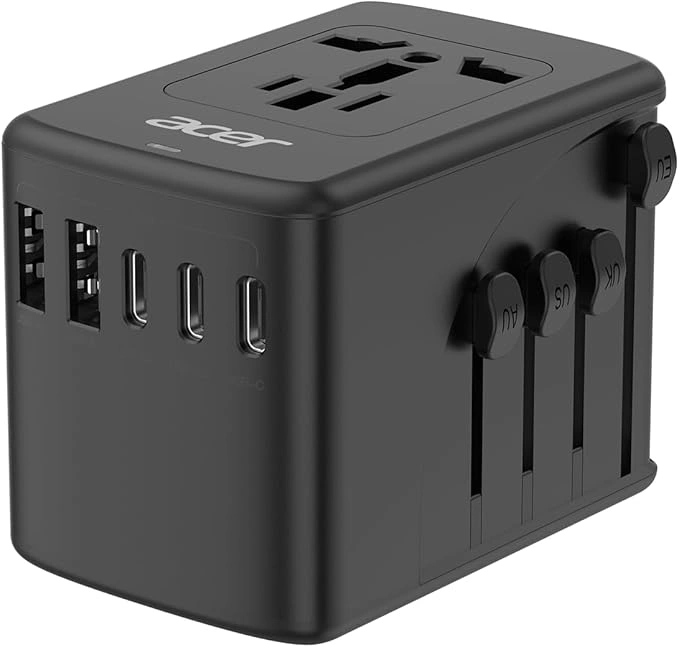
Product examples worth comparing:
- Epicka Pulse 45W Universal Travel Adapter
- Tessan Universal Travel Adapter models with USB-C charging
What to look for:
- Plug compatibility for every country on your itinerary
- USB-C Power Delivery output for compatible devices
- Enough ports for your phone, tablet and accessories
- Built-in safety protections and a secure plug mechanism
- A compact design that fits easily into a tech pouch
Important: A plug adapter does not automatically convert electrical voltage. Check the input rating printed on your device or charger. If it says 100–240V, it is generally designed to work across those voltage ranges with the correct plug adapter. A single-voltage appliance may need a separate voltage converter or transformer.
For most travelers carrying phones, laptops and tablets with dual-voltage chargers, a suitable plug adapter is usually the more practical purchase.
Check Out: Travel essentials checklist
2. Portable Power Bank
Best for: Keeping phones and other devices charged during flights, layovers and sightseeing.
A portable power bank is especially useful when international travel involves long airport transfers, unfamiliar cities or full days away from hotel outlets.
It can provide backup power for navigation, translation apps, digital boarding passes, mobile payments and communication. A USB-C power bank with sufficient output can also charge compatible tablets and some laptops.
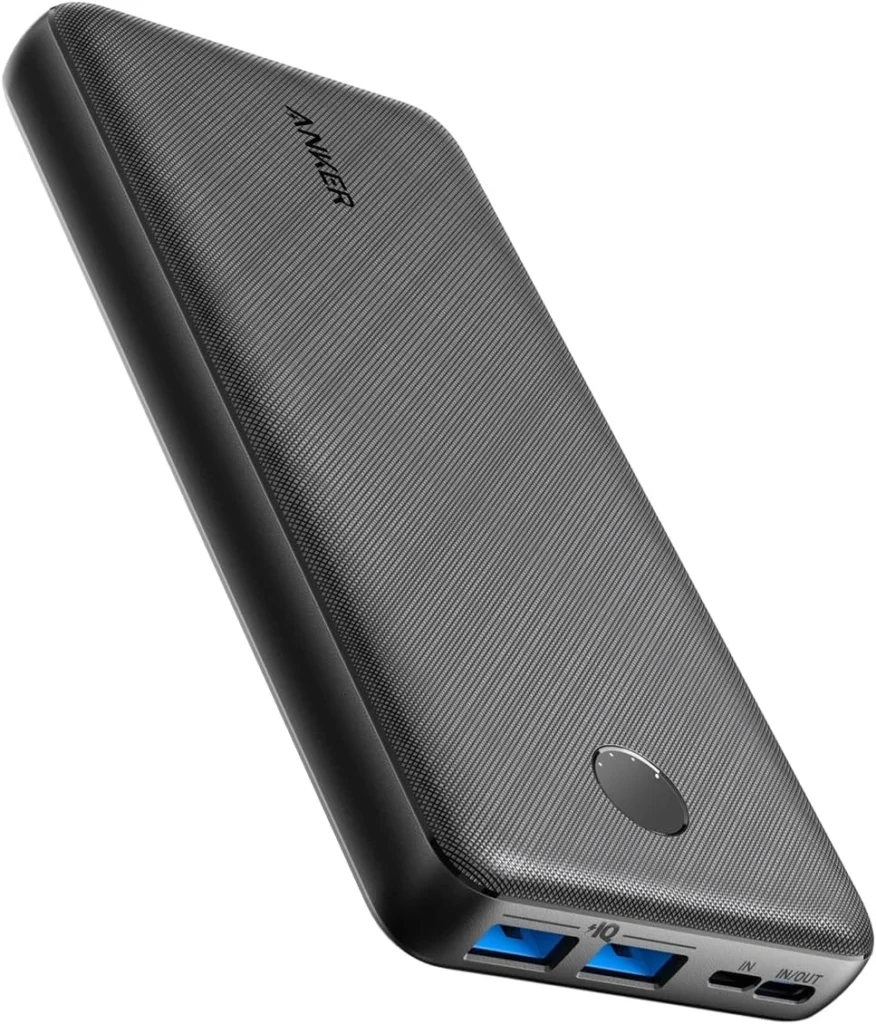
Product examples worth comparing:
- Anker portable power banks with USB-C Power Delivery
- Anker Laptop Power Bank models for travelers carrying multiple devices
What to look for:
- Capacity suited to your daily charging needs
- USB-C Power Delivery support
- Output suitable for your phone or laptop
- Clear watt-hour (Wh) labeling
- A size and weight you are comfortable carrying
Do not choose a power bank based on capacity alone. A larger battery may add unnecessary weight, and its charging output matters just as much as its advertised capacity.
Airline reminder: Power banks are spare lithium batteries and must be carried in cabin baggage rather than checked luggage under FAA guidance. The FAA generally permits batteries up to 100Wh without airline approval, while larger batteries have additional restrictions. Individual airlines may impose stricter rules, so check your carrier before departure.
Read more: Best Portable Chargers for Travel
3. Bluetooth Luggage Tracker
Best for: Monitoring checked luggage and locating misplaced belongings.
A luggage tracker can help travelers check the location of a suitcase through a compatible smartphone. It is particularly useful when checking bags on international routes involving connecting flights or multiple airports.
Popular options include Apple AirTag and Android-compatible alternatives such as Eufy SmartTrack Link. The right choice depends on the phone and tracking network you use.
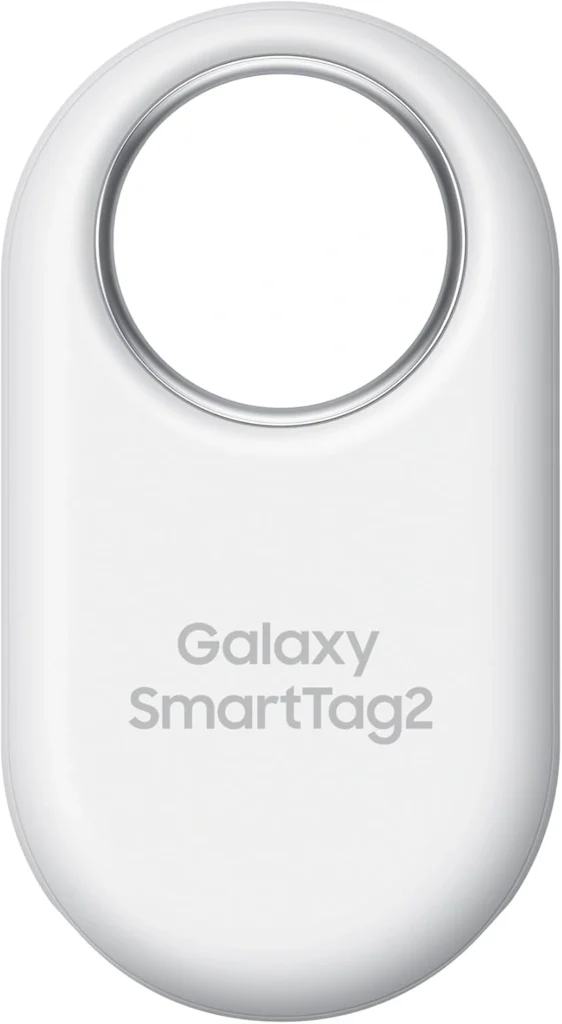
Product examples worth comparing:
- Apple AirTag
- Eufy SmartTrack Link
What to look for:
- Compatibility with your smartphone
- Battery replacement or charging options
- A secure attachment or protective luggage holder
- Tracking-network availability in your destinations
- Clear instructions for sharing or locating a tracker
A Bluetooth tracker is not a standalone GPS device. Its location updates generally depend on nearby compatible devices and the tracking network. Coverage and update frequency can vary, particularly in remote areas.
Place the tracker inside your luggage or attach it securely where it will not be easily removed. A tracker can help locate a bag, but it does not replace airline baggage reporting or travel insurance.
4. Compression Packing Cubes
Best for: Keeping clothing organized and making repacking easier.
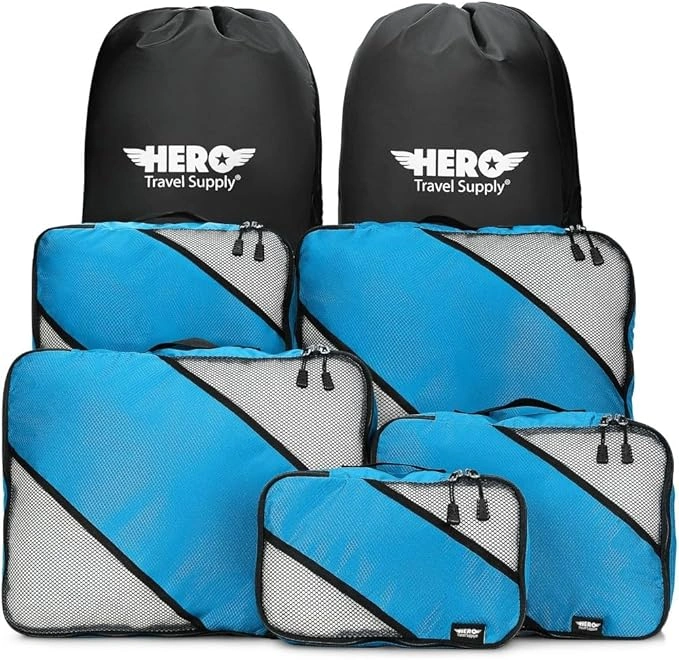
Packing cubes separate clothing into manageable sections, making it easier to find what you need without unpacking your entire suitcase.
They are particularly useful on multi-city trips, where you may move between hotels, trains and airports several times. You can organize clothes by category, destination or day of travel.
Compression packing cubes take this idea further by reducing the space occupied by soft clothing. Options from Bagsmart and Eagle Creek are worth comparing.
What to look for:
- Durable zippers that do not snag easily
- Lightweight fabric
- Different sizes for clothing categories
- Compression panels that are easy to operate
- A shape that fits your suitcase
Compression cubes can reduce the volume of clothing, but they do not reduce its weight. They may also make a tightly packed suitcase heavier or harder to close.
For most travelers, a small set of ordinary or compression cubes is more useful than buying several different packing systems.
Read more: Packing Gadgets That Save Space
5. Travel Tech Organizer
Best for: Keeping chargers, cables, adapters and small electronics together.
Carrying several electronic devices often means carrying multiple cables, charging accessories, memory cards and small adapters. Without a dedicated organizer, these items can become tangled at the bottom of a backpack.
A compact tech organizer keeps frequently used accessories in separate compartments. It also makes airport security checks and hotel-room setup easier because everything is in one place.
Product examples worth comparing:
- Peak Design Tech Pouch
- Thule Subterra PowerShuttle
- Cotopaxi tech organizers
What to look for:
- Separate cable and charger compartments
- Padded storage for delicate accessories
- Elastic loops for small items
- A compact shape that fits your personal-item bag
- Easy access without unpacking the entire pouch
Choose a size based on the equipment you actually carry. A large organizer may be unnecessary if you only travel with a phone charger, power bank and a few cables.
6. Hanging Toiletry Bag and Leak-Resistant Travel Bottles
Best for: Organizing toiletries in hotels and shared bathrooms.
A hanging toiletry bag keeps personal-care products together and makes them easier to access in small bathrooms. Instead of spreading bottles across a sink, you can hang the bag from a hook or towel rail.
Look for separate compartments for liquids, toothbrushes, grooming products and smaller items. A water-resistant lining is useful if a bottle leaks during transit.
Product examples worth comparing:
- Bagsmart hanging toiletry bags
- Peak Design Wash Pouch
- Cadence travel containers
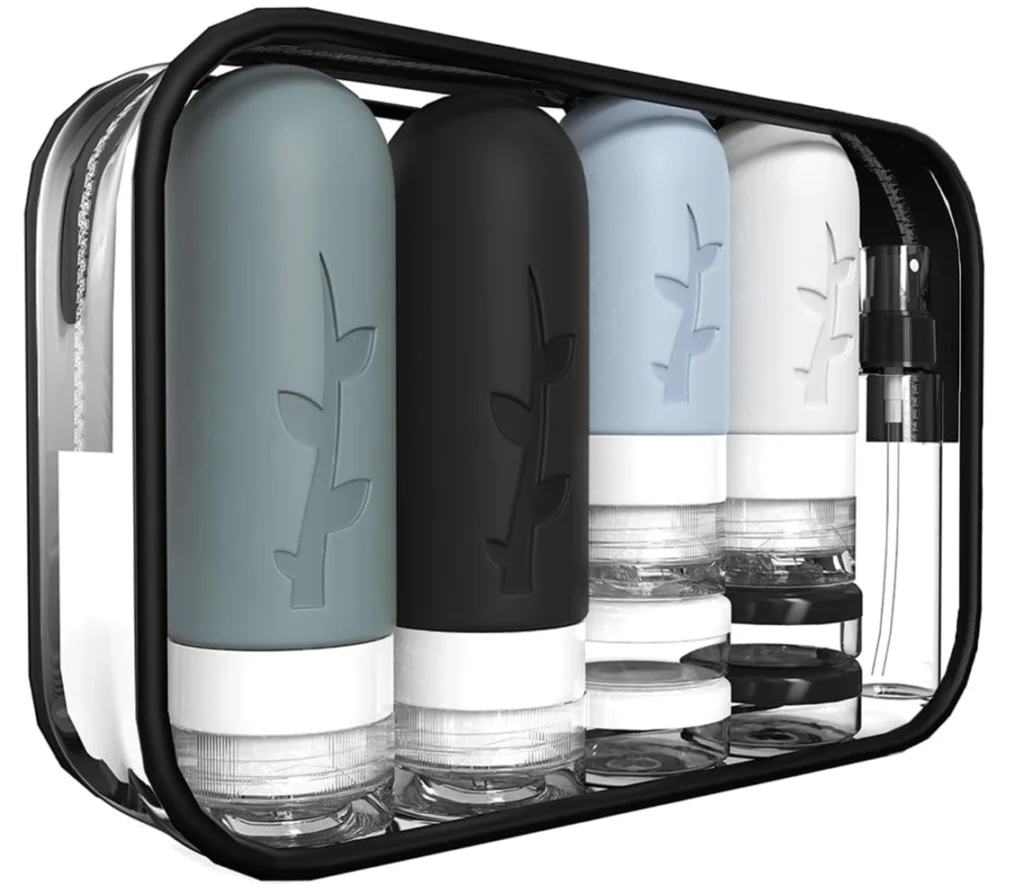
Refillable travel bottles can also reduce the need to carry full-size toiletries. Choose bottles with secure closures and materials suitable for the products you intend to store.
Before flying: Check the carry-on liquid restrictions at your departure and connecting airports. For example, the standard US TSA rule limits most carry-on liquid containers to 3.4 ounces (100 ml) and requires them to fit in a quart-sized bag. Other countries and airports may apply different screening procedures.
Read More: 15 Smart Flight Gadgets Frequent Travelers Never Fly Without
7. Digital Luggage Scale
Best for: Checking suitcase weight before reaching the airport.
International airlines can have different baggage weight limits depending on the route, ticket class and fare type. A suitcase that is acceptable on one flight may exceed the allowance on another.
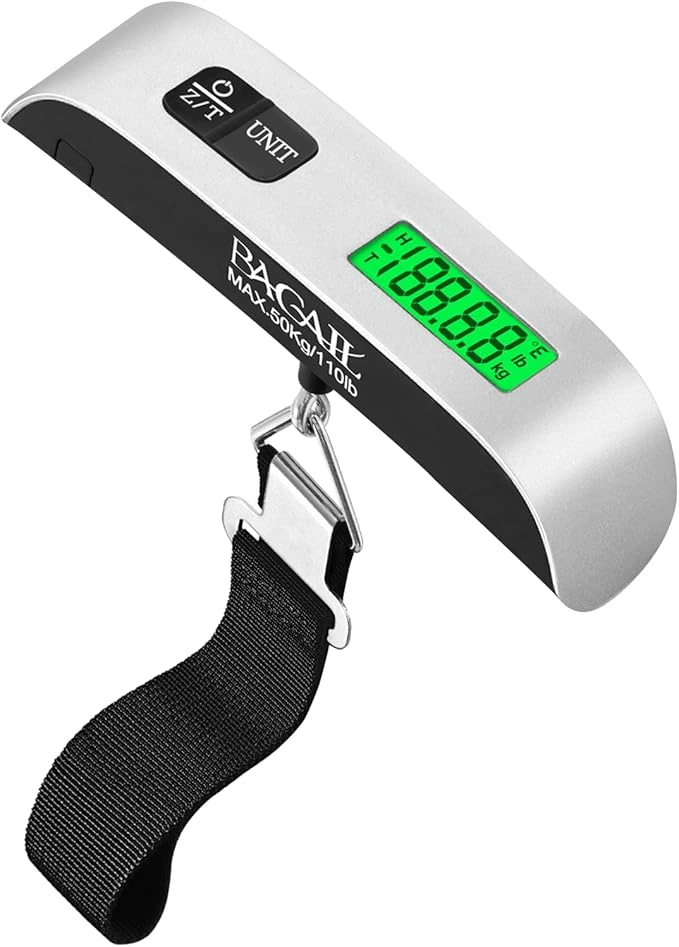
A digital luggage scale lets you check your bag at home or before leaving a hotel. This can help you redistribute items or remove unnecessary belongings before check-in.
Product examples worth comparing:
- Etekcity digital luggage scales
- Samsonite portable luggage scales
What to look for:
- A clear digital display
- A comfortable handle or strap
- A practical weight capacity
- Easy switching between pounds and kilograms
- A compact design for storage
Check the baggage allowance for every airline on your itinerary, especially when different carriers operate connecting flights. A luggage scale helps measure weight, but it does not confirm whether your suitcase meets the airline’s size restrictions.
8. Lightweight Travel Backpack or Personal-Item Tote
Best for: Day trips, sightseeing and carrying essentials during transit.
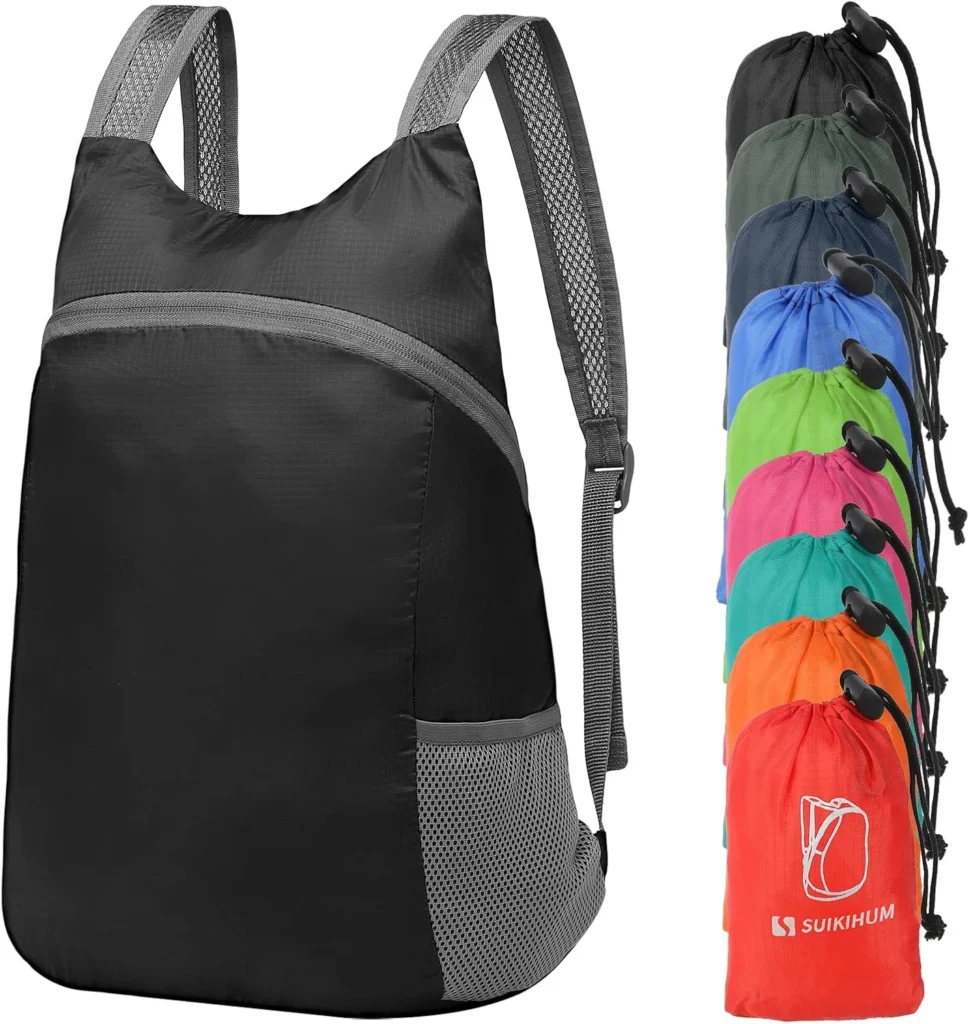
A lightweight secondary bag can be useful when your main suitcase stays at the hotel. It provides space for a water bottle, camera, documents, phone charger and other items needed during the day.
A foldable backpack is convenient for travelers who want a bag that packs flat. A structured travel backpack or tote may be more comfortable for carrying heavier items.
Product examples worth comparing:
- Cotopaxi Allpa travel packs
- Matador On-Grid packable daypack
- Topo Designs Mountain Utility Tote
What to look for:
- Comfortable shoulder straps
- Secure compartments for valuables
- A water-resistant or easy-to-clean exterior
- A practical laptop or tablet sleeve if needed
- Dimensions that meet your airline’s personal-item rules
Do not assume that every backpack marketed as a personal item will fit under every aircraft seat. Check the specific airline’s size requirements before purchasing.
9. Travel Neck Pillow
Best for: Supporting your head and neck during long flights.
Sleeping in an upright airplane seat can be uncomfortable, especially on overnight international flights. A travel neck pillow can provide additional support and help reduce the need to constantly reposition your head.
Different designs offer different levels of support. Traditional U-shaped pillows are familiar and easy to find, while wraparound and structured designs aim to provide more stability.

Product examples worth comparing:
- Ostrichpillow Go Neck Pillow
- Trtl travel pillow
What to look for:
- Support that suits your preferred sleeping position
- A comfortable fabric cover
- A design that does not push your head too far forward
- Washable or removable covers
- Packability when not in use
A neck pillow is a personal comfort purchase. If possible, consider its shape and fit before choosing one, because a highly rated pillow may not suit every traveler.
10. Sleep Mask and Travel Earplugs
Best for: Reducing light and noise during long-haul journeys.
Cabin lighting, neighboring passengers and airport announcements can make it difficult to rest during long flights. A comfortable sleep mask blocks unwanted light, while earplugs can reduce surrounding noise.
These are inexpensive accessories that take up very little space. They are also useful in hotels, hostels and other unfamiliar sleeping environments.
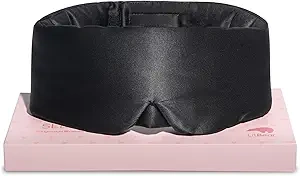
Product examples worth comparing:
- Contoured sleep masks designed to reduce pressure around the eyes
- Matador travel earplugs
- Eargasm reusable earplugs
What to look for:
- An adjustable strap
- Soft materials that feel comfortable for extended use
- A secure fit that blocks light
- Earplugs that fit comfortably without excessive pressure
- A small storage case
For travelers who prefer headphones, active noise-cancelling models may be a more versatile alternative. A sleep mask and earplugs remain useful as lightweight backup options.
Read More: Top Wearables Under $200 (Deals & Picks)
11. Compression Socks for Long Flights
Best for: Travelers who spend extended periods sitting during flights.
Long-haul flights often involve several hours of limited movement. Compression socks apply graduated pressure to the lower legs and are designed to support circulation.
They are available in different sizes and compression levels. The correct fit matters, so check the manufacturer’s sizing guidance rather than choosing a pair based only on appearance.
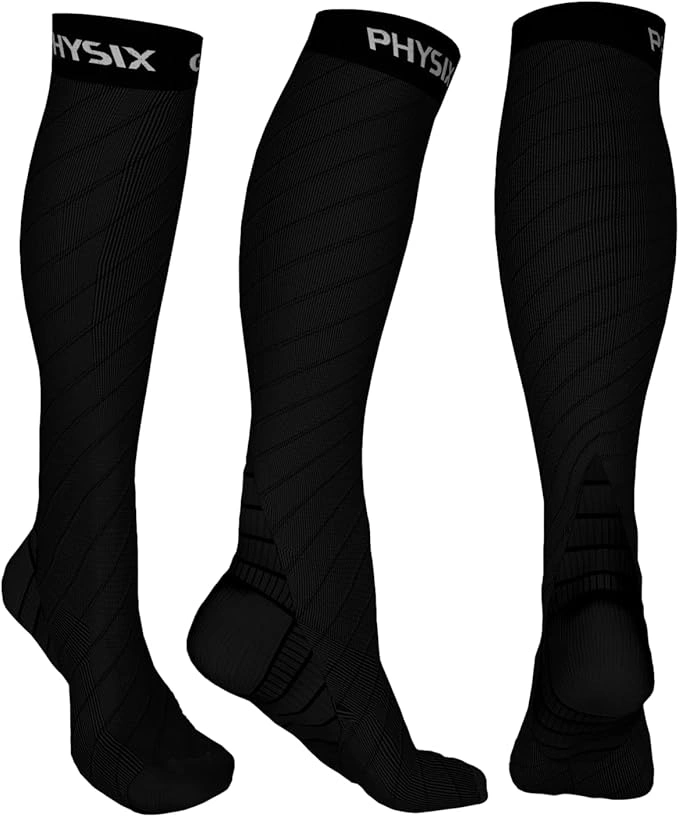
Product examples worth comparing:
- Bombas compression socks
- Comrad compression socks
- CEP travel and compression socks
What to look for:
- Correct sizing for your calf and foot measurements
- Comfortable fabric for extended wear
- A suitable compression level
- Breathability and moisture management
- Easy care and washing instructions
Compression socks are not a substitute for moving around during a flight. Follow airline and medical guidance about movement and circulation. Travelers with medical conditions or concerns about compression garments should seek advice from a healthcare professional before using them.
12. Bluetooth Airplane Audio Adapter
Best for: Connecting compatible wireless headphones to an aircraft entertainment system.
Some aircraft entertainment systems still use a wired headphone connection. Travelers who prefer Bluetooth headphones may find a small audio transmitter useful.
A Bluetooth airplane adapter connects to a compatible audio output and transmits sound to supported wireless headphones. This allows you to use your preferred headphones for films and other onboard entertainment without relying on the airline’s supplied headset.
Product examples worth comparing:
- Twelve South AirFly SE
- 1Mii Bluetooth airplane audio transmitters
What to look for:
- Compatibility with the aircraft’s audio jack
- Support for your headphones
- Battery life suitable for long flights
- Simple pairing controls
- A compact design that does not obstruct nearby ports
Check the connection type on your aircraft before relying on an adapter. Some newer entertainment systems may use different connections or support other wireless options.
Which Travel Accessories Are Actually Worth Packing?
Not every accessory is necessary for every trip. The best choices depend on how long you will be away, how many devices you carry, whether you check luggage and what kind of activities you have planned.
Here is a simple way to prioritize purchases.
| Priority | Accessories | Why they matter |
| Essential for many international trips | Travel adapter, power bank, packing cubes | Help with charging and basic luggage organization |
| Useful upgrades | Luggage tracker, tech organizer, toiletry bag, luggage scale | Make travel logistics and packing easier |
| Comfort upgrades | Neck pillow, sleep mask, earplugs, compression socks | Help make long journeys more comfortable |
| Itinerary-dependent | Daypack, Bluetooth audio adapter | Useful for specific activities and travel setups |
If you want to travel with less luggage, start with the accessories that solve more than one problem. A multi-port adapter can replace several individual wall chargers, while a tech organizer keeps small electronics together.
Avoid buying every item on a travel checklist. An accessory is worth packing when its practical value justifies the space and weight it adds.
Don’t Miss: Useful Travel Gadgets For Your Next Trip
What to Check Before Taking Travel Accessories Abroad
International travel involves different airline rules, electrical standards and airport security procedures. A few checks before departure can prevent avoidable problems.
1. Check Plug Types and Voltage
A universal travel adapter helps your plug fit a destination’s socket, but it does not necessarily convert voltage.
Check the voltage range printed on chargers and appliances. Many phone and laptop chargers support 100–240V, but some personal-care appliances and other equipment may not. Confirm the requirements for every destination on your itinerary.
2. Review Airline Power Bank Rules
Power banks contain rechargeable lithium batteries. Under FAA guidance, spare power banks must be carried in cabin baggage, not checked luggage. Battery watt-hour limits and airline-specific restrictions also apply.
Check the Wh rating printed on the power bank and review your airline’s current policy before flying. If your carry-on is gate-checked, remove spare batteries and power banks and keep them with you in the cabin.
3. Check Carry-On Liquid Restrictions
Toiletry bottles, creams, gels and other liquids may be subject to airport screening limits. Rules can differ by country, airport and security checkpoint.
Use appropriately sized refillable bottles and check the rules for both your departure and connecting airports. Do not assume that a container accepted at one airport will automatically be accepted at another.
4. Confirm Airline Baggage Dimensions
A compact backpack or carry-on suitcase may still exceed an airline’s permitted dimensions. Check the size and weight limits for each carrier, particularly on international connections involving budget airlines.
5. Check Device and Tracking Compatibility
Bluetooth trackers, eSIM services and travel routers depend on device compatibility, network availability or carrier support. Confirm that your phone supports the technology and that the service works in the countries you plan to visit.
6. Choose Accessories for Your Itinerary
A beach holiday, multi-city European trip and remote-work journey require different equipment. A waterproof phone pouch may be useful for beach activities, while a tech organizer and travel router may matter more to someone working abroad.
Pack according to your actual plans instead of carrying accessories for situations that may never occur.
Read More: Best Travel Gadgets for Digital Nomads & Remote Workers
International Travel Packing Checklist
Use this quick checklist before closing your suitcase.
Documents and essentials
- Passport and required travel documents
- Payment cards and a small amount of local currency
- Travel insurance information
- Copies of important documents stored securely
Electronics and connectivity
- Phone and charging cable
- Universal travel adapter
- Portable power bank
- Headphones
- Luggage tracker
- eSIM or international mobile plan, if needed
Packing and organization
- Packing cubes
- Toiletry bag and refillable bottles
- Tech organizer
- Daypack or personal-item bag
- Luggage scale, if needed
Flight comfort
- Neck pillow
- Sleep mask
- Earplugs
- Compression socks, if appropriate
Keep your passport, essential medication, valuables and important electronics accessible in your personal item rather than placing everything in checked luggage.
FAQs About the Best Travel Accessories for International Travel
What are the most important travel accessories for international travel?
A universal travel adapter, portable power bank, packing cubes and a suitable personal-item bag are useful starting points for many international travelers. A luggage tracker and toiletry organizer can also make travel more convenient.
What is the most useful travel gadget for international trips?
A universal travel adapter is one of the most useful accessories because electrical outlets vary between countries. Choose one with compatible plug configurations and enough USB-C or USB-A output for your devices. Remember that an adapter does not automatically convert voltage.
Are universal travel adapters worth buying?
Yes, particularly if you visit several countries with different plug types. A good multi-country adapter can reduce the number of individual plug adapters you need to carry. Check destination compatibility and charging output before purchasing.
Can I bring a power bank on an international flight?
Power banks are generally carried in cabin baggage rather than checked luggage, but capacity limits and airline restrictions apply. Under FAA guidance, batteries up to 100Wh are generally permitted without airline approval, while larger batteries have additional requirements. Always check the rules of your operating airline and any connecting carriers.
Are packing cubes useful for international travel?
Packing cubes are useful for separating clothing, organizing luggage and making it easier to repack during multi-destination trips. Compression versions can reduce the space occupied by clothing, although they do not reduce luggage weight.
Is an RFID-blocking passport wallet necessary?
An RFID-blocking wallet is optional rather than essential for most travelers. A well-organized passport holder can make documents easier to access, but travelers should not treat RFID protection as a substitute for ordinary precautions such as keeping valuables secure and monitoring belongings.
Should I carry a travel router when going abroad?
A travel router can be useful for remote workers or travelers who regularly connect several devices to hotel networks. However, it is not necessary for everyone. Check whether your accommodation, mobile plan and devices already provide the connectivity you need.
How can I avoid overpacking for an international trip?
Start with your itinerary and expected weather, then pack versatile clothing and accessories that serve more than one purpose. Use a small set of packing cubes, avoid duplicate chargers and leave out gadgets that solve problems you are unlikely to encounter.
Final Thoughts
The best travel accessories for international travel are the ones that make a real difference without adding unnecessary weight. A compatible universal adapter, dependable power bank, luggage tracker and packing organizers can simplify common travel tasks, while comfort accessories make long flights more manageable.
You do not need all 12 items for every journey. Choose based on your destination, airline requirements, luggage allowance and the devices you plan to carry. A smaller collection of well-chosen accessories is often more useful than a suitcase filled with single-purpose gadgets.
The goal is simple: stay organized, keep essential devices powered, protect important belongings and make each stage of your international trip easier.
