
Introduction
The landscape of technology changed significantly by the year 2026. Medical technology now resides on the wrist or the finger. The primary focus of wearables elderly health transitioned from simple tracking to predictive analysis. Families now seek tools that prevent emergencies before they happen. This guide explores the top devices that ensure safety and independence for the aging population.
Read More: Smart Rings vs Smartwatches: Which Should You Buy?
The Shift Toward AI Driven Prevention
Older technology relied on reactive measures. A user would press a button after an accident occurred. Modern systems use artificial intelligence to spot trends. These devices monitor walking speed and balance patterns. If a person begins to shuffle more than usual the system alerts caregivers. This allows for early intervention before a fall happens.
Clinical research supports this shift toward proactive care. Studies found at the National Center for Biotechnology Information suggest that remote health monitoring reduces hospital readmissions. Modern biometric tracking for seniors provides a continuous stream of data to doctors. This data creates a digital twin of the user health profile.
Leading Fall Detection Systems
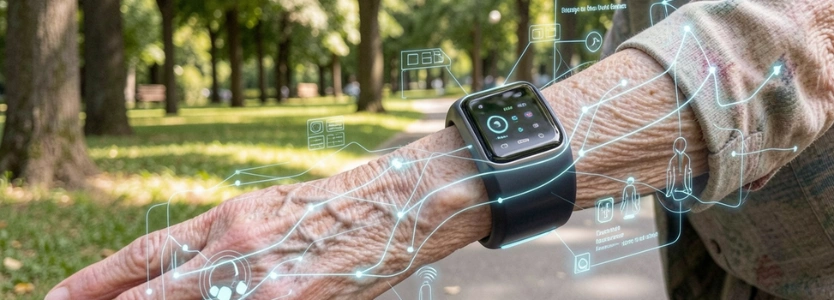
Fall detection remains a critical feature for elderly safety devices. Traditional sensors sometimes triggered false alarms during heavy movement. The 2026 generation of fall detection systems uses sophisticated motion sensors and machine learning. These devices distinguish between a person sitting down quickly and a genuine hard fall.
Most advanced units now include Personal Emergency Response Systems or PERS integration. If a fall is detected and the user remains motionless the device automatically calls emergency services. Some models also use ambient sensors in the home to supplement the wearable data. This creates a safety net that operates without constant user input.
| Device Category | Primary Benefit | Best For | Battery Life |
| Advanced Smartwatch | Multi Function Tracking | Active Seniors | 2 to 3 Days |
| Smart Rings | Sleep and Recovery | Discreet Users | 7 Days |
| PERS Pendants | Immediate Emergency Response | High Fall Risk | 5 to 30 Days |
| AI Health Bands | Predictive Gait Analysis | Mobility Support | 10 Days |
Remote Health Monitoring and Biometric Tracking
Health monitoring now includes more than just heart rate. Biometric tracking for seniors in 2026 encompasses blood oxygen and skin temperature and even non invasive glucose trends. These metrics offer a holistic view of the body. Remote health monitoring allows physicians to view this data in real time through secure portals.
Medical professionals can adjust prescriptions based on the data sent from these wearables. This reduces the need for frequent office visits. Seniors living in rural areas benefit most from this connectivity. The ability to monitor chronic conditions from home improves the quality of life significantly.
Read More: Best Wearables for Kids & Families in 2026
Top Wearable Choices for 2026
Choosing the right device depends on the specific needs of the individual. Some seniors prefer the full functionality of a smartwatch while others want the simplicity of a ring or a pendant.
Smartwatches with Medical Grade Sensors
Smartwatches evolved into powerful diagnostic tools. The latest models offer electrocardiograms and irregular rhythm notifications. These devices are ideal for active seniors who want to stay connected through calls and messages while monitoring their health.
Smart Rings for Discreet Monitoring
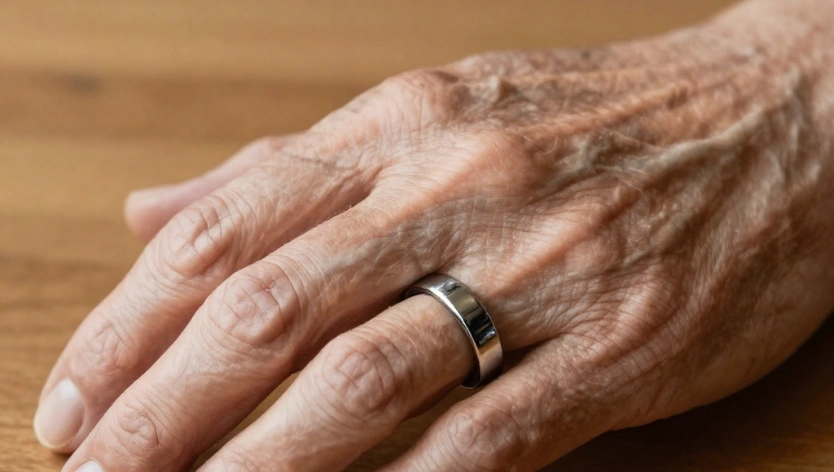
Smart rings became popular for those who dislike the bulk of a watch. These rings track sleep quality and recovery and heart rate variability. They provide deep insights into how the body responds to stress or illness. The battery life on these devices often lasts for an entire week.
Medical Alert Pendants
Pendants remain the gold standard for those at high risk of falls. These devices are often waterproof and designed for 24 hour wear. They provide a direct link to a monitoring center at the touch of a button.
Essential Features to Consider
When shopping for wearables elderly health several factors must be evaluated. Comfort is the most important aspect because a device only works if it is worn.
Read More: Best Sleep Tracker Wearables of 2026: Science Backed Picks for Every Sleeper
Ease of Use
The interface should be simple. Large fonts and high contrast screens help those with visual impairments. Voice commands allow users to interact with the device without using small buttons.
Connectivity Options
Devices with built in cellular connectivity offer the most freedom. These do not require a smartphone to be nearby to send an alert. This is vital for seniors who enjoy walking outdoors or gardening.
Subscription Costs
Many elderly safety devices require a monthly fee for professional monitoring. Buyers should factor this into the total cost of ownership. Some devices offer self monitoring options that send alerts only to family members.
Top Smart Devices for 2026 Senior Care
| Device | Primary Strength | Safety Focus | Connection |
| Apple Watch | Heart and ECG | High Accuracy Fall | Cellular and WiFi |
| MGMove | Emergency Link | PERS and SOS | Built in LTE |
| Oura Ring | Sleep Trends | Discreet Tracking | Bluetooth |
| Samsung Galaxy | Sleep Apnea | Biometric Tracking | Cellular and WiFi |
| AngelSense | Wander Protection | GPS Geofencing | Built in LTE |
| ScanWatch | Clinical Look | SpO2 and ECG | Bluetooth |
1. Apple Watch Series 10
The Apple Watch remains a leader in heart health. It features advanced fall detection systems and can take an ECG at any time. The large screen is easy to read. It offers a familiar interface for many users.
2. Samsung Galaxy Watch 7
This watch offers specialized biometric tracking for seniors like sleep apnea detection. It also measures blood pressure and body composition. The integration with Android phones is seamless.
3. Fitbit Sense 2
Fitbit focuses on stress and temperature. It tracks how the body responds to illness. This makes it a great tool for remote health monitoring. The battery lasts for several days.
4. Medical Guardian MGMove
This is a dedicated PERS or Personal Emergency Response System. It looks like a smartwatch but has a direct link to emergency operators. It includes GPS for location tracking.
5. Oura Ring 4
The Oura Ring is perfect for those who want discreet monitoring. It tracks sleep and heart rate from the finger. It is very lightweight and comfortable for 24 hour wear.
6. Garmin Vivosmart 5
Garmin offers a simple band for those who do not want a full smartwatch. It tracks activity and stress levels. The Body Battery feature helps seniors know when to rest.
7. Bay Alarm Medical SOS Smartwatch
This device is designed purely for safety. It has a dedicated SOS button and fall detection systems built in. It does not require a smartphone to work.
8. Withings ScanWatch 2
Withings creates hybrid watches that look like traditional timepieces. Inside they have medical grade sensors for heart rate and oxygen levels. This is ideal for stylish seniors.
9. Wellue 24h ECG Monitor
This wearable is for those with specific heart concerns. It records heart rhythms for long periods. Doctors can use this data to diagnose issues like atrial fibrillation.
10. AngelSense GPS Tracker
AngelSense is best for seniors with dementia or wandering tendencies. It provides real time location updates to caregivers. It can be attached to clothing so it is not lost.
Future Trends in Senior Health Tech
The year 2026 marks the beginning of truly integrated health ecosystems. We see the rise of clothing with embedded sensors. Smart socks can now detect swelling in the ankles which might indicate heart issues. This level of integration makes health monitoring invisible and effortless.
The use of AI continues to expand. Future software will likely predict respiratory infections by analyzing breathing patterns during sleep. The goal is to move entirely away from reactive medicine.
Read More: Best Sleep Tracking Wearables of 2026
Strengthening Independence Through Technology
Wearables provide peace of mind for both seniors and their families. This technology allows older adults to remain in their homes longer. It bridges the gap between total independence and assisted living. By using remote health monitoring families stay informed without being intrusive.
The psychological benefit of feeling safe cannot be overstated. When a senior knows help is a button press away they feel more confident in their daily activities. This confidence leads to a more active and fulfilling lifestyle.
Conclusion
Investing in the right wearables elderly health is a step toward a safer future. Whether it is a sophisticated smartwatch or a simple PERS pendant the technology exists to support every need. The focus on AI and predictive analytics ensures that seniors receive care exactly when they need it. Explore the latest models today to find the perfect balance of safety and style and functionality.
Frequently Asked Questions
What is the best wearable for a senior with dementia?
Devices with GPS tracking and geofencing are best for those with dementia. These wearables alert caregivers if the user leaves a designated safe zone.
Do these devices work without a smartphone?
Many modern wearables for seniors include cellular chips. These function independently and do not need a paired phone for emergency calls.
Are health wearables covered by insurance?
Some Medicare Advantage plans and private insurance providers offer rebates for medical grade wearables. It is important to check with the specific provider for coverage details.
How accurate is fall detection in 2026?
Fall detection reached high accuracy levels thanks to AI gait analysis. The systems now rarely trigger for everyday movements like sitting or lying down.
Can doctors see the data from these wearables?
Yes many devices allow users to share a live data feed with healthcare providers. This facilitates remote health monitoring and better chronic disease management.

[…] Read More: Best Wearables Elderly Health for Senior Monitoring […]
[…] Read More: Best Wearables for Seniors & Health Monitoring […]