
Introduction
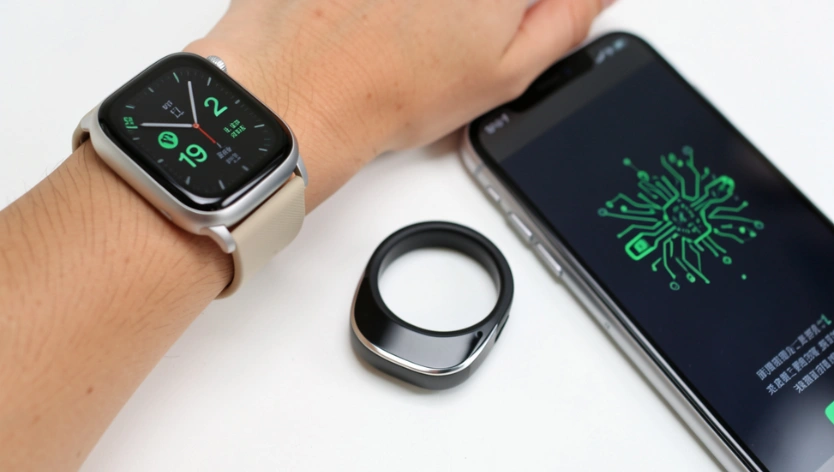
Wearable technology has quietly become one of the most personal forms of digital technology people use every day. A smartwatch tracks heart rate and sleep patterns. A fitness tracker measures activity levels throughout the day. A smart ring analyzes recovery and metabolic patterns while smart glasses capture images, voice commands, and real world interactions.
These devices promise convenience, health insights, and a deeper understanding of lifestyle habits. Yet behind the innovation sits an issue many users rarely think about. Wearables continuously collect extremely sensitive personal data.
Modern connected devices record daily movement patterns, physical health signals, geographic location, and even environmental information. As wearable technology expands, concerns about wearable device privacy risks are becoming more visible.
Understanding these risks is no longer optional. It is becoming an essential part of responsible technology use.
Read More: How Wearables Connect With Your Smart Home
The Rise of Wearable Technology
Wearable devices have evolved dramatically over the past decade. Early fitness trackers mainly counted steps and basic activity levels. Today wearable sensors provide detailed insights into human health. Modern devices monitor
- Heart rate variability
- Sleep stages
- Blood oxygen levels
- Body temperature changes
- Stress patterns
- Activity intensity
- Location history
Devices such as the Apple Watch Series 9 and Samsung Galaxy Watch 6 collect large volumes of biometric data throughout the day. Smart rings like the Oura Ring Gen 3 analyze sleep recovery and readiness scores. Fitness trackers such as the Fitbit Charge 6 monitor physical activity trends over long periods.
These insights help people understand their health and improve daily habits. However, the same data can also reveal extremely personal details about lifestyle patterns.
Understanding Wearable Device Privacy Risks
Wearables operate differently from most other digital devices. Smartphones are used periodically, while wearables remain attached to the body for long periods of time.
This continuous presence allows them to collect massive amounts of behavioral and physiological data. Information gathered by wearables may include:
- Sleep Schedules
- Exercise Routines
- Heart Rate Fluctuations
- Stress Responses
- Location Tracking
- Voice Interactions
When combined together, these data points can build a detailed digital portrait of an individual’s life. Daily routines become visible. Health conditions may become predictable. Personal habits can be inferred from movement and biometric signals.
This is why wearable device privacy has become a growing topic of discussion among cybersecurity experts and technology researchers.
How Wearable Data Travels Across Devices
Many people assume their wearable device simply stores data locally. In reality, most wearable ecosystems rely heavily on cloud infrastructure. The typical data journey looks like this
Wearable device → Smartphone → Companion App → Cloud Servers → Integrated Services
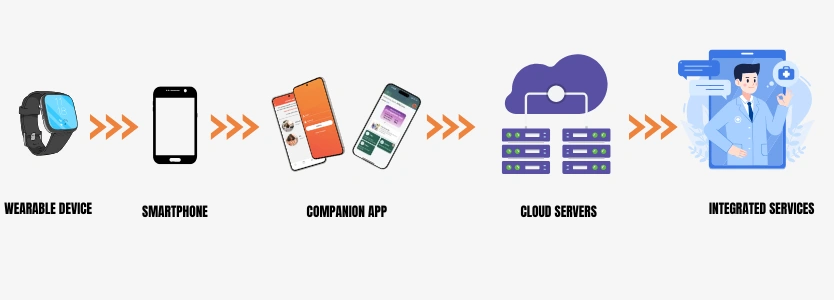
Each connection point introduces additional exposure risks. For example, wearable apps often integrate with
- Fitness Platforms
- Nutrition Tracking Apps
- Smart Home Systems
- Health Analytics Tools
These integrations improve functionality but also increase the number of platforms that access personal data. The more connected a wearable device becomes, the more complex its data ecosystem becomes.
Why Personal Health Data Is Valuable
Health information has become one of the most valuable forms of digital data. Unlike passwords or financial credentials, health metrics cannot easily be changed once exposed. Personal health insights can reveal lifestyle habits, physical conditions, and behavioral patterns.
Organizations may analyze aggregated health data for
- Medical Research
- Fitness Analytics
- Behavioral Advertising
- Insurance Risk Modeling
While many companies anonymize data before using it for analytics, privacy experts warn that anonymized datasets can sometimes be reidentified when combined with other digital information. This is why wearable device privacy risks receive increasing attention from regulators and cybersecurity researchers.
Wearable Devices That Prioritize Privacy Controls
Some wearable manufacturers have begun emphasizing privacy protections as a key product feature.
Apple Watch Series 10
Apple integrates strong encryption and device level data protection. Health information is stored securely within the Apple ecosystem.
Garmin Venu 3
The Garmin Venu 3 focuses on health tracking with controlled data sharing options through the Garmin Connect platform.
Google Pixel Watch 2
The Google Pixel Watch 2 integrates with Google’s security infrastructure and privacy dashboards.
Ultrahuman Ring Air
The Ultrahuman Ring Air focuses on metabolic health insights while offering clear user control over data visibility.
WHOOP 4.0
The WHOOP 4.0 provides advanced athletic performance analytics with controlled account level privacy settings.
These devices illustrate how wearable companies are slowly shifting toward privacy conscious design.
When Wearables Cross the Line: Real Privacy Concerns in the Smart Glasses Era
While most wearable discussions focus on health trackers, recent developments involving smart glasses show how complex privacy challenges can become. Ray-Ban Meta Smart Glasses have drawn widespread attention after reports revealed potential privacy issues linked to how recorded media may be processed.
Investigations reported that video and audio footage captured through AI powered smart glasses may sometimes be reviewed by human contractors who help train artificial intelligence systems. These reviewers may analyze recordings so that the AI can better understand images, objects, or voice commands.
In some cases, investigators found that contractors reviewing footage encountered highly personal recordings. Reports described seeing private moments such as people undressing or using bathrooms, which raised serious ethical concerns about how wearable data is handled.
The situation led to legal complaints alleging that consumers were not fully aware that their recordings might be reviewed by human workers when AI features were enabled.
Experts say these issues highlight a broader challenge with AI powered wearables. Training artificial intelligence often requires large datasets, and human reviewers frequently help label images and audio so algorithms can learn accurately.
However, when that data includes personal recordings captured in daily life, the privacy implications become significant. Beyond video recording, smart glasses also contain microphones that could potentially capture conversations nearby. This raises concerns about accidental recording in private environments or sensitive discussions.
These incidents have sparked renewed debate about how wearable companies should handle user data and whether stronger transparency requirements are needed.
Using Wearable Devices Cautiously
Wearable technology remains incredibly useful, but responsible use is becoming increasingly important.
Experts recommend several precautions when using wearable devices.
Understand Data Sharing Settings
Many wearable features rely on cloud processing. Reviewing privacy settings can help determine what data is uploaded and what remains stored locally.
Limit AI Recording Features
Some smart glasses and voice assistants automatically upload recordings for AI processing. Disabling unnecessary features reduces potential exposure.
Avoid Recording in Sensitive Spaces
Wearable cameras should never be used in private environments where recording could violate privacy or local laws.
Review App Permissions Regularly
Companion apps often request access to health data, location tracking, and microphones. Limiting permissions helps reduce data exposure.
Delete Stored Voice or Video Data
Many wearable platforms allow users to delete stored recordings. Periodically clearing stored data can improve privacy protection.
The Future of Wearable Device Privacy
The wearable industry continues expanding rapidly. Smart glasses, mixed reality headsets, and biometric sensors will likely become even more integrated into daily life. As technology evolves, privacy protection will likely become one of the defining features of next generation devices.
Several trends are emerging.
- On device AI processing may reduce cloud dependency.
- Encrypted health data platforms may become standard.
- User controlled data ownership frameworks may become common.
Companies that build transparency and strong security practices into their wearable ecosystems may earn greater long term trust from consumers. Wearables are transforming how people interact with technology. Ensuring that transformation respects personal privacy will shape the future of the entire industry.
Read More: Smart Wearables Glossary 2026: Key Terms & What They Mean
Frequently Asked Questions
What are wearable device privacy risks
Wearable device privacy risks refer to the potential exposure of personal health data, location information, or recorded media collected by wearable technology.
Can smart glasses record people without permission
Some smart glasses can capture photos or video quickly, which raises privacy concerns if people nearby are unaware they are being recorded.
Do wearable companies review user recordings
In some cases recordings may be analyzed to train artificial intelligence systems or improve device features, depending on the device and privacy settings.
How can users protect wearable data
Users can protect their data by enabling strong account security, limiting app permissions, and disabling unnecessary recording features.
Are wearable devices safe to use
Wearables are generally safe when used responsibly. Understanding privacy settings and data policies helps reduce potential risks.
[…] Read More: Why It Matters and How to Protect Your Personal Health Data […]
[…] Read More: Why It Matters and How to Protect Your Personal Health Data […]