
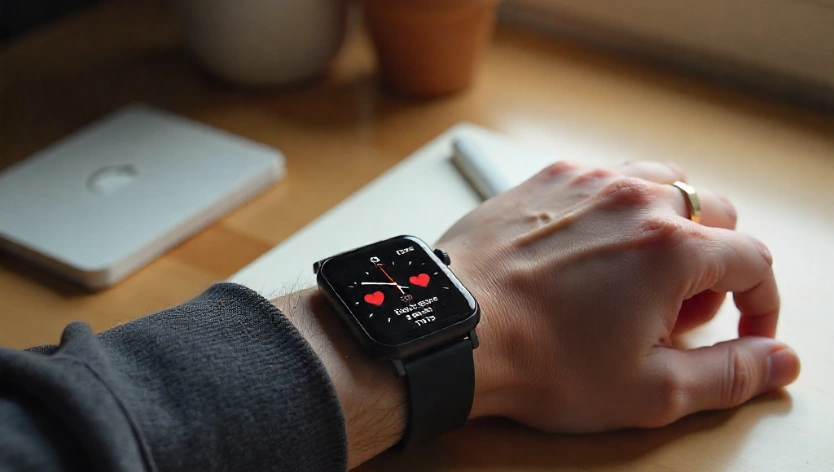
Smarter Insights, Preventive Care & the Smart Health Wearables to Buy
Wearable technology in 2026 has evolved into something far more powerful than a step counter or fitness accessory. Today’s wearables act as always on health companions, helping people understand their bodies, improve daily habits, and spot potential health issues earlier than ever before. As smart wearables future tech continues to evolve in 2026, health-focused devices are becoming essential tools rather than optional gadgets.
With AI-driven insights, advanced sensors, and longer battery life, smart health wearables are now reshaping how individuals approach health, recovery, sleep, and fitness. This article explains how wearables are revolutionizing health in 2026, the trends driving this shift, and which devices deliver the best real-world value.
What Is a Wearable Fitness Monitor and How Do You Choose the Right One
Why 2026 Marks a Major Shift in Wearable Health Technology
The biggest change in 2026 is not just better hardware, it’s better interpretation of health data. Smart Health Wearables now focus on patterns, trends, and recovery rather than isolated metrics.
Key developments shaping wearables in 2026 include:
- Smarter sensors that deliver more consistent readings
- AI models that translate health data into daily guidance
- Longer battery life, enabling uninterrupted tracking for up to 11 days
- Growing adoption of smart rings alongside traditional watches
- Increased focus on prevention rather than reaction
Instead of asking “What happened today?”, wearables now help users understand “What does this mean for my health over time?” If you’re new to wearable health metrics, our smart wearables glossary explains key terms like heart rate variability, sleep tracking, and recovery scores.
From Simple Fitness Tracking to Advanced Health Monitoring
Wearables began with basic fitness tracking, steps, calories, and distance. In 2026, they function as comprehensive health-monitoring devices capable of tracking multiple biological signals simultaneously.
Modern smart health wearables can monitor:
- Continuous heart rate and resting heart trends
- Sleep stages, sleep quality, and recovery scores
- Blood oxygen levels and breathing patterns
- Daily stress and readiness metrics
- Strength training load and recovery needs
This shift makes wearables valuable not only for athletes but also for everyday users, older adults, and people focused on long-term wellness. The emphasis has moved from performance alone to sustainable health and recovery.
Check Out :How Wearable Devices Work
How Artificial Intelligence Is Powering Smarter Health Insights
AI is the backbone of wearable innovation in 2026. Rather than overwhelming users with raw data, smart health wearables now analyze information in context.
AI-powered wearables can:
- Identify irregular heart rate patterns
- Highlight poor sleep trends before fatigue sets in
- Detect overtraining or insufficient recovery
- Adjust fitness goals based on readiness scores
- Provide personalized health insights over time
This intelligence reduces guesswork and helps users make informed decisions about activity, rest, and lifestyle changes.
Read More: AI-powered wearable features
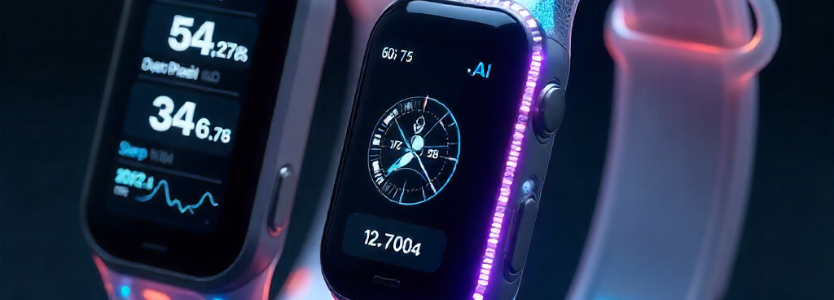
The Most Important Health Metrics Wearables Track in 2026
Wearables now focus on quality over quantity, offering deeper insights into how the body responds to daily habits.
Heart Health Monitoring
- Continuous heart rate tracking
- Heart rate variability for stress and recovery analysis
- Long-term trend monitoring rather than single readings
Sleep & Recovery Tracking
- Sleep stages and sleep quality scoring
- Overnight recovery metrics
- Consistency tracking for better long-term results
Oxygen & Respiratory Metrics
- Blood oxygen saturation
- Breathing rate during sleep and exercise
Fitness & Training Insights
- Fitness tracking readiness scores
- Strength training recovery analysis
- Cardio load and energy expenditure
Together, these metrics allow users to understand how sleep, stress, and training interact, something earlier smart health wearables could not provide.
Wearables and Preventive Healthcare in 2026
Wearables are increasingly playing a role in preventive health, offering insights that help users take action earlier rather than later.
Key use cases include:
- Identifying long-term heart rate changes
- Highlighting chronic sleep deprivation
- Supporting remote health monitoring programs
- Encouraging healthier routines through feedback loops
While wearables are not medical devices, their ability to collect consistent, long-term data makes them valuable tools for personal health awareness and informed discussions with healthcare professionals.
Read More: Must-Have Home Healthcare Gadgets for Smarter Well-Being
Real-World Limitations Users Should Understand
Despite major improvements, wearables still have limitations in 2026.
Important considerations:
- Accuracy varies by device and sensor quality
- Wearables track trends, not diagnoses
- Excessive data checking can increase health anxiety
- Privacy policies differ across brands
Choosing a device that matches your goals, and understanding what the data can and cannot tell you, is essential for a positive experience.
Wearable Health Trends Defining 2026
Several trends are shaping how people use wearables this year:
- Smart rings gaining popularity for sleep and recovery tracking
- Devices with excellent battery life becoming standard
- Less emphasis on screens, more focus on passive tracking
- Recovery and readiness scores replacing daily step goals
- Wearables blending health tracking with lifestyle design
These trends favour wearables that work quietly in the background rather than demanding constant interaction.
Best Health Wearables to Buy in 2026
Best Features To Look Out For In Smartwatch for Health Tracking
| Feature | Why It Matters |
| Advanced heart rate & ECG | Reliable heart health insights |
| Sleep & recovery tracking | Improves daily readiness |
| Brightest screen | Visibility in all conditions |
| Water resistance | Everyday durability |
Best for: Users who want a single device for health, fitness, and lifestyle tracking.
Good option because: It balances powerful health features with everyday usability.
Check Out : Top 5 Wearable Fitness Trackers: Detailed Reviews & Comparisons
Best Features To Look Out For In Fitness Tracker
| Feature | Why It Matters |
| 7–11 days battery life | Continuous tracking |
| Lightweight design | Comfortable all-day wear |
| Fitness tracking focus | Ideal for goal-driven users |
| Offline activity modes | Works without constant phone access |
Best for: Fitness-focused users who value simplicity.
Why people choose it: Excellent battery life without sacrificing core features.
Read More: How Does a Fitness Tracker Work
Best Features To Look Out For In Smart Ring for Sleep & Recovery
| Feature | Why It Matters |
| Sleep tracking accuracy | Detailed sleep insights |
| Recovery metrics | Optimized rest planning |
| Stainless steel build | Durable & stylish |
| Minimal design | No screen distractions |
Best for: Sleep quality, recovery, and wellness monitoring
Why it works: Passive tracking delivers insights without interruption.
Best Wearable for Heart Health Insights
| Feature | Why It Matters |
| Continuous heart rate | Detects trends |
| Blood oxygen tracking | Respiratory insights |
| Health alerts | Early warning signals |
| Secure data handling | Privacy confidence |
Best for: Health-conscious users and older adults.
Why it’s trusted: Focuses on consistent heart health insights over time.
Best Features To Look For In a Budget Health Wearable
| Feature | Why It Matters |
| Core health features | Essential tracking |
| Solid battery life | Fewer charges |
| Easy setup | Beginner-friendly |
| Affordable price | Great entry option |
Best for: Beginners exploring wearable health tech.
Good option because: Delivers essential tracking without premium pricing.
Read More: Key Features to Look For in a Wearable Fitness Monitor
Smart Health Wearables FAQs (2026 Edition)
Are wearables accurate for health tracking?
Wearables are reliable for monitoring trends like heart rate, sleep tracking, and activity patterns, but they are not medical diagnostic tools.
Can wearables replace doctors?
No. Wearables support awareness and prevention but should complement not replace, professional medical care.
Are smart rings better than watches for sleep tracking?
Smart rings are often more comfortable at night, which can lead to more consistent sleep data.
Which wearables have the best battery life?
Many fitness trackers and smart rings now offer excellent battery life ranging from 7 to 11 days.
Are older wearable models still worth buying?
Older models can still be a good option if they meet your needs, but newer devices offer improved sensors and recovery metrics.
Is wearable health data safe?
Data security depends on the brand. Always review privacy policies and choose devices with strong encryption and user controls.
Do wearables help people reach fitness goals?
Yes. Fitness tracking, readiness scores, and recovery insights help users train smarter and avoid burnout.
Final Thoughts: The Future of Wearable Health
In 2026, wearables are no longer just gadgets, they are personal health tools designed to improve awareness, consistency, and long term wellness. With better sensors, smarter AI, and longer battery life, wearables empower people to take control of their health in ways that were impossible just a few years ago.
Choosing the right wearable depends on your goals, whether that’s improving sleep, tracking fitness, monitoring heart health, or maintaining overall wellness.
[…] Read More : How Wearables Are Revolutionizing Health in 2026 […]