
Introduction The Turning Point for AR Wearables
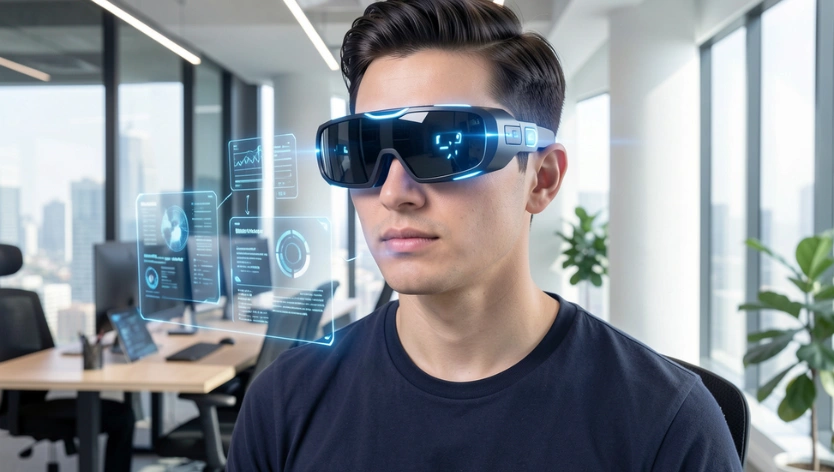
The future of AR wearables no longer feels like science fiction. For years augmented reality glasses were framed as distant possibilities. Today they are appearing on global stages, showcased at major technology events, and quietly entering workplaces across industries.
The shift feels subtle but significant. Smart glasses are no longer experimental toys. They are becoming productivity tools, navigation assistants, training devices, and immersive entertainment systems. For the average reader observing the evolution of technology, a question begins to form.
Is this the beginning of a new computing era?
The conversation has moved beyond novelty. It now centers on mainstream adoption, long term relevance, and whether AR wearables will eventually reshape how people interact with digital information.
Read More:Smart Wearable for the Future
Understanding AR Wearables
What Defines Augmented Reality Wearables
Augmented reality wearables are devices that overlay digital information onto the physical world. Unlike traditional screens that demand attention in the palm of a hand, AR glasses integrate digital elements into the surrounding environment.
A map floats in front of the eyes during navigation. Instructions appear while assembling equipment. Messages surface without removing attention from real world interactions.
The experience is less about escape and more about enhancement.
Difference Between AR, VR and Mixed Reality
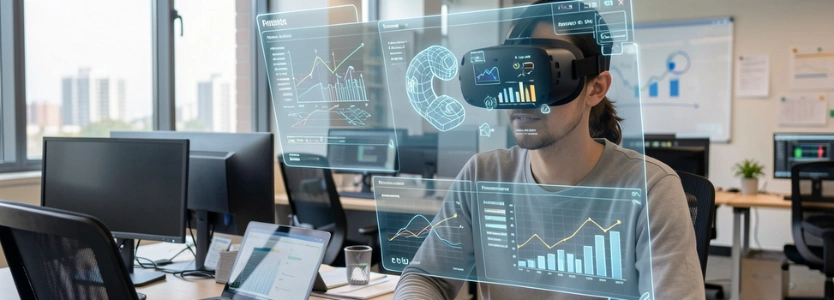
Virtual reality replaces the physical world with a simulated one. Augmented reality adds digital layers to the existing world. Mixed reality blends both environments in dynamic ways, allowing digital objects to interact with physical surroundings.
Mixed reality is emerging as a powerful bridge between immersive experiences and practical daily applications. It is not about isolation but about integration.
Read More: What Is a Wearable Fitness Monitor and How Do You Choose the Right One
Why Smart Glasses Lead the Conversation
Smart glasses are central to the future of AR wearables because they offer hands free access to information. Unlike smartphones that require constant physical interaction, glasses maintain eye level engagement with minimal interruption.
This design aligns with natural human behavior. Vision remains forward facing. Hands remain available. Movement continues uninterrupted.
That seamless integration is what makes smart glasses a potential successor to handheld devices.
Current Market Landscape
Consumer Smart Glasses
Several consumer focused AR wearables are already available. The Apple Vision Pro introduced spatial computing concepts to mainstream audiences. It demonstrated how digital content could float naturally within physical space.
The Meta Quest Pro expanded mixed reality experiences by combining immersive VR with passthrough augmented features.
Meanwhile lightweight devices such as Xreal Air and Vuzix Blade focus on media consumption and practical overlays in a more wearable form.
These devices show clear experimentation toward comfort and daily usability.
Enterprise and Industrial Adoption
Enterprise adoption is progressing faster than consumer adoption. Devices such as Microsoft HoloLens 2 and Lenovo ThinkReality A3 support remote collaboration, industrial maintenance, and medical visualization.
Businesses prioritize productivity gains over aesthetic concerns. In environments where hands free information reduces errors and improves efficiency, AR wearables already demonstrate measurable value.
Investor Sentiment and Market Growth
Investment communities increasingly view augmented reality as a long term disruptive force. The expectation is not immediate smartphone replacement but gradual integration into workflows and daily routines.
The market signals cautious optimism. Growth projections suggest rising enterprise demand followed by consumer normalization once hardware becomes lighter and more affordable.
Read More: Ultimate Fitness Trackers With Automatic Workout Detection & Recovery Analytics
Major Trends Shaping the Future of AR Wearables
Lightweight Design and Everyday Comfort
Early AR headsets were bulky and socially awkward. Current development focuses on slim profiles that resemble standard eyewear. Comfort determines adoption. No matter how advanced the display technology becomes, users will reject devices that feel intrusive.
The next generation of smart glasses prioritizes discreet design and extended battery life.
AI Integration and Context Awareness
Artificial intelligence integration represents a pivotal shift. AR glasses paired with AI assistants can interpret surroundings, translate languages in real time, identify objects, and provide contextual recommendations. The wearable becomes intelligent rather than reactive.
Spatial Computing and Mixed Reality
Spatial computing allows digital objects to remain anchored within physical space. This creates natural interaction between physical and virtual elements. The Magic Leap 2 exemplifies enterprise focused spatial experiences where 3D models can be manipulated within real environments.
Such developments push AR beyond notification overlays into interactive digital collaboration.
AR Navigation and Real World Utility
Navigation overlays are among the most compelling consumer use cases. Directions appear directly within the field of vision, reducing distraction. Retail environments experiment with product highlights. Museums explore interactive information displays. Tourism industries envision guided exploration without constant phone usage. Utility drives adoption more than novelty.
Why AR Wearables Have Not Yet Gone Mainstream
Hardware Limitations
Battery life, processing power, and display brightness remain technical hurdles. Balancing performance with weight presents engineering challenges. Miniaturization continues but full day usability without compromise is still evolving.
Social and Privacy Concerns
Wearable cameras raise concerns about consent and surveillance. Social acceptance plays a crucial role in adoption. Smartphones initially faced similar skepticism. Over time social norms adapted. AR glasses may follow a comparable path, but trust must be built gradually.
Lack of Compelling Applications
Technology without purpose rarely sustains interest. Consumers need clear daily benefits. Enterprise environments already demonstrate practical gains. The consumer market still awaits its defining application that transforms AR from curiosity to necessity.
Industries That Will Drive Adoption
Healthcare and Remote Assistance
Surgeons and medical teams can visualize patient data during procedures. Remote specialists can guide field technicians with visual overlays. Precision improves. Errors decrease.
Education and Training
Interactive learning environments allow students to explore 3D models of complex subjects. Historical recreations can appear within classrooms. Engagement deepens when information becomes immersive.
Retail and Commerce
Virtual try on experiences reduce purchase hesitation. In store navigation guides customers efficiently. Augmented commerce merges digital convenience with physical presence.
Entertainment and Gaming
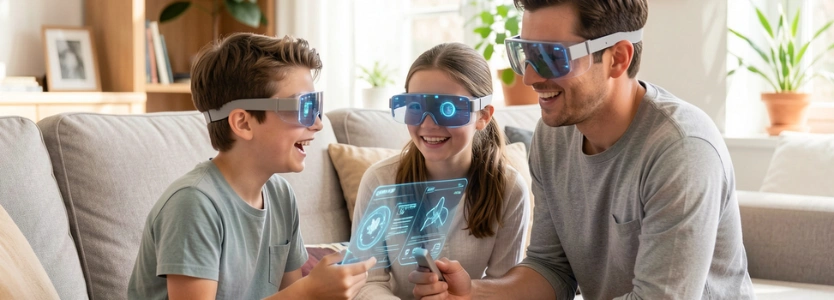
Gaming represents a natural evolution. Instead of isolating players within virtual worlds, AR blends gameplay into living spaces. This hybrid interaction signals a new era of immersive entertainment.
Ten Smart Wearable Devices Defining the Future
Each device represents a different interpretation of augmented reality integration, ranging from immersive headsets to lightweight smart eyewear.
1. Apple Vision Pro
The Apple Vision Pro stands out as a flagship spatial computing device that blends digital content into the real world with striking clarity. Its utility ranges from immersive media experiences and productivity setups to collaborative workspaces that feel more intuitive than laptop screens. The USP lies in its seamless integration with Apple’s ecosystem and natural user interactions like eye tracking and hand gestures, making augmented reality feel familiar and powerful.
2. Meta Quest Pro
The Meta Quest Pro bridges the gap between virtual and mixed reality with advanced sensors that support high-quality passthrough AR. Its utility is strongest in collaborative work and enterprise training, where users can interact with virtual objects while remaining aware of their physical surroundings. The USP is its balance of performance and immersion; it doesn’t require external hardware and is designed for both productivity and creative experiences.
3. Microsoft HoloLens 2
Designed primarily for enterprise use, the Microsoft HoloLens 2 offers hands-free AR that superimposes holographic data onto real environments. Its utility shines in complex workflows such as remote assistance, industrial maintenance, and medical visualization. The USP is its robust spatial mapping and gesture controls, which allow professionals to interact with 3D content in ways that feel natural and intuitive without traditional screens.
4. Lenovo ThinkReality A3
The Lenovo ThinkReality A3 targets business users who need accessible AR without sacrificing performance. It works with PCs and select mobile devices to display virtual monitors, 3D models, and contextual tools. The utility lies in productivity enhancement enabling virtual multi-screen setups and collaborative design review. The USP is its lightweight, enterprise-ready form factor paired with adaptability across professional environments.
5. Xreal Air
Xreal Air brings lightweight AR eyewear to consumers by focusing on media consumption and daily information access. Its utility is ideal for watching videos, reading messages, and layering simple digital elements into the real world. The USP is its comfort and portability, resembling regular glasses while delivering a personal large-screen viewing experience without heavy hardware.
6. Vuzix Blade
The Vuzix Blade positions itself as one of the earliest smart glasses geared toward both enterprise and consumer applications. Its utility includes real-time notifications, heads-up navigation, and object recognition overlays. The USP centers on its near-eye display that delivers information without requiring users to pull out a phone, making everyday tasks like directions or translations more seamless.
7. Magic Leap 2
Magic Leap 2 advances mixed reality with powerful spatial computing that excels in enterprise environments such as engineering, healthcare, and immersive simulation training. Its utility is highlighted in environments where complex data visualization matters, allowing teams to interact with 3D models directly in physical space. The USP is its precision spatial mapping and enterprise-grade support that large organizations value for workflow transformation.
8. Snap Spectacles
Snap Spectacles focuses on social AR experiences, capturing moments and adding playful digital layers in real time. Their utility is strongest for users who want creative expression — sharing augmented content with friends and audiences. The USP is in blending AR capture with social interaction, using lightweight glasses that feel fun and approachable without overwhelming technical complexity.
9. Google Glass Enterprise Edition 2
The Google Glass Enterprise Edition 2 delivers a streamlined AR experience that enhances hands-on work environments. Its utility includes step-by-step instructions, real-time guidance for workers, remote assistance, and quality control tools. The USP is its focus on pragmatic, productivity-enhancing features rather than consumer entertainment, making it a reliable tool in logistics, manufacturing, and field service.
10. Ray Ban Meta Smart Glasses
Combining fashion with technology, Ray Ban Meta Smart Glasses bring AR capabilities to everyday wear with social connectivity features like music control, voice commands, and casual interactions. Their utility is for lifestyle integration rather than deep productivity or enterprise tasks. The USP lies in designer optics and subtle AR enhancements that feel natural, enabling users to stay connected without overtly wearable tech aesthetics.
What Happens Next The Road to Mainstream Adoption
Mainstream adoption will not occur overnight. It will unfold gradually through improved design, broader developer ecosystems, and meaningful everyday use cases. Smartphones will not disappear immediately. Instead AR wearables will coexist and integrate. Over time usage patterns may shift as glasses become lighter, smarter, and more socially accepted. The defining moment may arrive when wearing smart glasses feels as natural as carrying a phone once did.
Final Thoughts
The future of AR wearables is not defined solely by hardware. It is shaped by cultural readiness, practical utility, and seamless integration into daily life. The technology already exists. The applications continue to evolve. The next phase depends on refinement and relevance.
Augmented reality glasses may not replace smartphones tomorrow. Yet the trajectory suggests steady progression toward a world where digital information lives not in pockets but within sight.For the generic reader observing technology trends, one thing becomes increasingly clear. AR wearables are no longer a distant concept. They are a developing reality.
Frequently Asked Questions
Will AR wearables replace smartphones
AR wearables are more likely to complement smartphones before replacing them. Integration between devices is expected during early adoption phases.
When will AR wearables become mainstream
Wider consumer adoption may occur once devices achieve lighter designs, longer battery life, and compelling everyday applications.
What industries benefit most from AR wearables
Healthcare, manufacturing, education, retail, and entertainment are leading sectors experimenting with augmented reality integration.
Are AR glasses safe to use daily
Modern AR wearables are designed with safety standards in mind, though long term research on extended daily use continues to evolve.
What is the difference between AR and mixed reality
Augmented reality overlays digital elements onto the real world. Mixed reality allows digital objects to interact dynamically with physical environments.
Why have AR glasses struggled with adoption
Hardware limitations, high costs, privacy concerns, and limited mainstream applications have slowed widespread adoption.