
Introduction
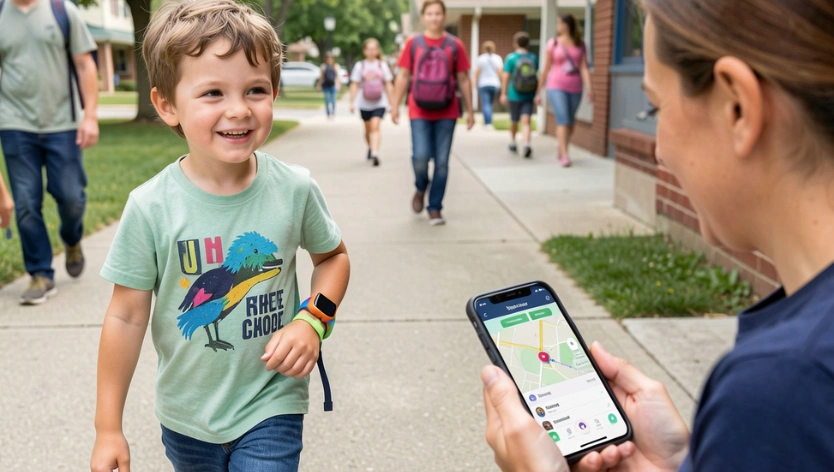
Every parent remembers the first moment their child walks a little farther ahead than usual. It might be the first solo walk into school. The first bike ride around the block without supervision. The first time staying late at practice. There is pride in that independence. But there is also a quiet question that lingers in the background.
Are they safe right now?
That emotional balance between freedom and protection is exactly why more households are exploring the best wearables for kids & families. Not as surveillance tools. Not as replacements for trust. But as small layers of reassurance in a world that moves fast.
For families today, wearable technology is becoming less about trends and more about thoughtful parenting.
Read More: Smart Wearable for the Future ? Wear It to Believe It
Why Families Are Choosing Wearables Over Smartphones
Many parents hesitate before handing over a smartphone. A phone opens doors to social media, internet browsing, and digital distractions that feel overwhelming for younger children.
Wearables, however, feel different.
Most are designed with clear boundaries. They offer GPS tracking, controlled communication, and activity monitoring without unrestricted access to the digital world. For families trying to balance independence with safety, that controlled structure feels intentional. It allows children to grow while giving parents peace of mind.
What Families Truly Value in Kids Wearables
When parents search for the best wearable for their child, they are rarely looking for flashy features. They are looking for reliability.
They care about:
- Accurate GPS tracking
- An accessible SOS button
- Geofencing alerts
- Strong battery life
- Durability for active lifestyles
- Simple parental controls
The most successful devices focus on these fundamentals rather than unnecessary extras.
Apple Watch SE with Family Setup
For families already within the Apple ecosystem, the Apple Watch SE often becomes a natural extension of their technology.
From a parent’s perspective, it offers structure and flexibility. Family Setup allows adults to approve contacts, manage location tracking, and enable Schooltime mode to reduce distractions during academic hours.
It works particularly well for older children who are transitioning toward more independence but are not yet ready for a full smartphone. Its health tracking features, fall detection, and emergency SOS provide an additional layer of reassurance that resonates with many households.
Verizon Gizmo Watch 3
The Verizon Gizmo Watch 3 appeals to families who prioritize simplicity. It focuses on essential features:
- GPS tracking
- Approved contact calling
- Messaging
- Step tracking
Parents often appreciate its restricted communication system. Children can only connect with numbers that adults approve. That limitation, rather than feeling restrictive, feels protective. For younger elementary-aged children, this straightforward approach makes sense.
TickTalk 5
The TickTalk 5 offers expanded connectivity for families seeking more flexibility. With video calling, voice messaging, GPS tracking, and WiFi connectivity, it bridges the gap between a basic kids watch and a smartphone.
For children gradually gaining independence, it provides communication options without full access to social media platforms. Some parents appreciate the added functionality. Others prefer simpler alternatives. The right fit depends on the maturity level of the child and the comfort level of the household.
Garmin Bounce
Active families often gravitate toward the Garmin Bounce. Garmin blends safety and activity tracking seamlessly. It includes GPS location tracking and two-way messaging, while also encouraging movement through step challenges and interactive features.
For parents who want technology to promote outdoor play rather than screen engagement, this device feels aligned with that philosophy. It becomes more than a tracker. It becomes a motivator.
Read More: Smart Rings vs Smartwatches: Which Should You Buy?
Fitbit Ace Series
The Fitbit Ace 3 focuses purely on health and habit-building. It tracks steps, sleep patterns, and daily activity without built-in communication features. That simplicity appeals to families who are not yet concerned about GPS monitoring but want to encourage active routines.
When parents already use Fitbit devices, shared challenges can transform fitness into a family experience rather than an individual obligation. Sometimes, wearable technology works best when it quietly supports long-term wellness.
Xplora X5 Play
The Xplora X5 Play balances safety and gamification. It provides GPS tracking and voice communication while rewarding children for physical activity. Movement translates into incentives, subtly encouraging healthier habits.
For families who want structure without strictness, this watch feels like a balanced compromise.
AngelSense GPS Tracker
For families requiring enhanced safety monitoring, the AngelSense GPS Tracker prioritizes continuous tracking. It offers real-time GPS updates, intelligent alerts, and two-way voice communication. It is especially valuable for children who may wander or require closer supervision.
Rather than focusing on entertainment or engagement, it centers entirely on safety. For some families, that singular focus is exactly what brings comfort.
myFirst Fone R2
The myFirst Fone R2 is often chosen for its approachable design. It includes GPS tracking, video calls, heart rate monitoring, and SOS alerts. Its colorful appearance makes it appealing to younger children while still delivering essential safety tools.
For parents seeking a friendly introduction to wearable technology, this device feels welcoming.
Ojoy A1 Pro
The Ojoy A1 Pro frequently attracts families seeking affordability. It covers core features like GPS tracking and controlled communication without premium pricing.
For households balancing budget considerations with safety priorities, it represents a practical entry point.
Garmin vívofit jr. 3
The Garmin vívofit jr. 3 emphasizes responsibility and habit formation. It includes activity tracking, chore management, reward systems, and extended battery life.
For younger children learning accountability, it becomes less about tracking location and more about building structure.
How Families Decide
Choosing among the best wearables for kids & families often comes down to one honest question.
- Is the priority safety, health, communication, or independence?
- If safety is primary, GPS-enabled watches with geofencing features offer reassurance.
- If activity is primary, fitness-focused trackers support healthy routines.
- If communication is essential, more advanced smartwatches provide flexibility.
Each family’s answer is different. And that is why there is no single perfect device.
The Emotional Reality Behind the Technology
Wearables do not replace conversations about safety. They do not eliminate risk. They do not remove the unpredictability of childhood. But they reduce uncertainty.
When a parent receives a notification that their child has arrived at school safely, that small alert carries enormous emotional weight. When a child presses an SOS button and knows help is immediately accessible, confidence grows.The best wearable is not the most advanced one. It is the one that fits naturally into a family’s rhythm without creating stress or distraction.
It should feel like support. Not surveillance.
Final Reflection
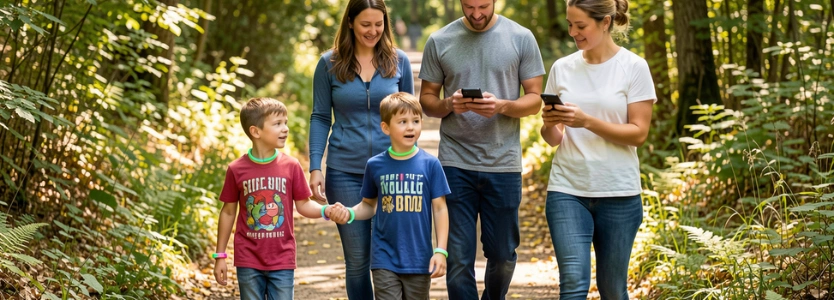
The rise of wearable technology for children reflects something deeper than innovation. It reflects modern parenting realities. Families want their children to explore. To learn independence. To build resilience. At the same time, they want reassurance that help is never far away.
The best wearables for kids & families strike that delicate balance. They quietly support both freedom and connection. And in today’s world, that balance matters more than ever.
Frequently Asked Questions : Best Wearables for Kids & Families
What is the best wearable for kids and families overall?
The best option depends on age and needs. Apple Watch SE works well for older kids. Gizmo Watch 3 and Garmin Bounce are strong for younger children needing GPS tracking.
Do kids wearables require monthly fees?
Most GPS-enabled devices require a cellular plan. Fitness-only trackers like Fitbit Ace typically do not.
Are these devices safe from internet access?
Most kids-specific wearables restrict web browsing and only allow communication with approved contacts.
What age is appropriate for a kids smartwatch?
Many families start around age 5 to 7 for GPS watches. More advanced smartwatches are better suited for ages 9 and above.
How accurate is GPS tracking?
Most major brands offer reliable tracking, though accuracy may vary indoors or in dense urban areas.
Can I monitor multiple kids from one app?
Yes. Many companion apps allow parents to manage multiple devices from one dashboard.
What is better, a smartwatch or GPS tracker?
Smartwatches offer communication and activity tracking. GPS trackers focus purely on location safety.