
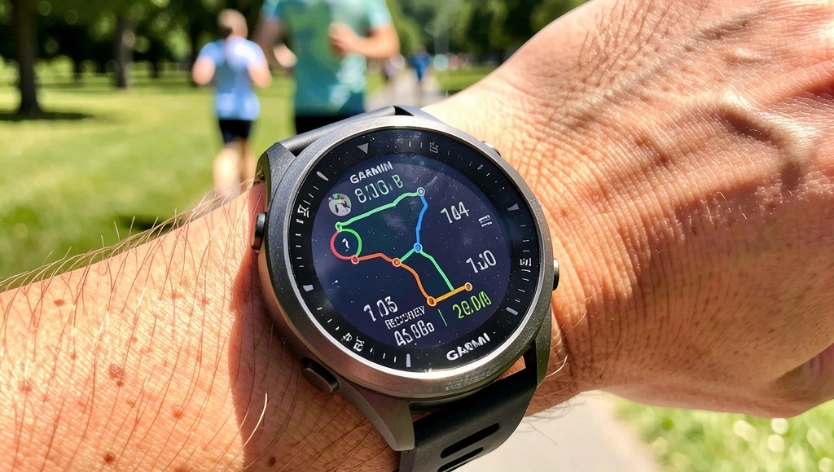
Introduction
There was a time when tracking a workout meant manually pressing “Start,” remembering to hit “Stop,” and hoping the data made sense later. Fast-forward to 2026, and smart wearable fitness trackers have quietly evolved into intelligent training companions. They don’t just count steps anymore. They observe, interpret, and advise.
The real shift isn’t just in fitness tracking, it’s in how these devices understand effort, fatigue, and recovery. Modern wearables automatically detect workouts, analyze heart rate patterns, calculate recovery metrics, and assign readiness scores that guide your next session.
For anyone serious about performance, whether it’s strength training, running, HIIT, or general wellness , features like automatic workout detection & recovery analytics are no longer luxury add-ons. They’re essential.
Let’s break down what makes these features powerful, which devices do them best, and how to choose the right tracker for your goals.
Read More: Smart Wearable for the Future ? Wear It to Believe It
Why Automatic Workout Detection Matters More Than You Think
Life moves fast. Sometimes workouts are spontaneous. A quick walk becomes a jog. A gym session stretches longer than planned. And occasionally, you forget to start tracking altogether.
Automatic workout detection & recovery analytics solves that.
Instead of relying on manual input, advanced wearables use motion sensors, heart rate changes, and pattern recognition to identify when you begin exercising. The device logs the session, categorizes it, and stores it in your activity timeline — all without interruption.
The best systems recognize:
- Running
- Cycling
- Strength training
- Rowing
- Walking
- HIIT workouts
This is particularly helpful for people who value consistency but dislike micromanaging their tracker settings.
Recovery Analytics: The Real Game-Changer
Tracking effort is only half the story. The smarter question is: Are you ready to train again?
That’s where recovery analytics shine.
Modern fitness trackers measure:
- Heart rate variability (HRV)
- Resting heart rate
- Sleep quality
- Blood oxygen levels
- Overnight heart rate
- Training load
By combining these data points, devices calculate readiness scores or recovery scores. These scores help you decide whether to push harder or prioritize rest. In 2026, recovery metrics have become the difference between sustainable progress and burnout.
Best Fitness Trackers With Automatic Workout Detection & Recovery Analytics
Below are standout smart wearables that balance workout detection, recovery analytics, and overall usability.
1. WHOOP Strap 4.0
WHOOP doesn’t look like a traditional watch. It has no screen. Instead, it focuses entirely on performance and recovery analytics.
Why it stands out:
- Automatic workout detection
- Advanced recovery score
- Continuous heart rate tracking
- HRV monitoring
- Sleep tracking depth analysis
WHOOP is ideal for athletes and serious fitness enthusiasts who care more about recovery metrics than notifications.
2. Oura Ring
The smart ring category has expanded rapidly, and Oura remains one of the most refined options.
Key strengths:
- Automatic activity detection
- Detailed sleep tracking
- Readiness score based on HRV
- Lightweight and comfortable for 24/7 wear
- Excellent battery life
For people who prefer subtle devices over bulky watches, Oura is a strong option.
Read More: 2026 Smartwatch Guide: Which Model Fits Your Lifestyle?
3. Garmin Forerunner Series
Garmin has mastered performance data. Its devices are built for structured training.
What makes it powerful:
- Smart workout detection
- Training load analytics
- Recovery time estimation
- GPS + offline maps
- Brightest screen in outdoor sunlight
Garmin appeals to runners, cyclists, and triathletes who rely on data-driven progression.
4. Apple Watch Series
The Apple Watch blends smartwatch convenience with serious health features.
Highlights:
- Automatic workout recognition
- Blood oxygen monitoring
- Heart rate alerts
- Strength training tracking
- Seamless ecosystem integration
It’s a good option for people who want both fitness tracking and smart features in one device.
5. Fitbit Charge Series
Fitbit continues to balance accessibility and insight.
Strengths:
- Auto exercise detection
- Sleep score
- Daily readiness score
- Stress tracking
- Strong battery life
For beginners stepping into recovery analytics, Fitbit offers an approachable experience.
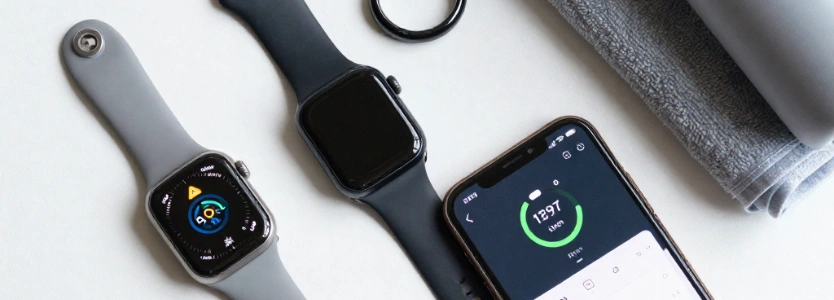
Comparing Automatic Workout Detection & Recovery Analytics Features
| Device | Auto Workout Detection | Recovery Analytics | Sleep Tracking | Battery Life | Best For |
| WHOOP | Yes | Advanced recovery score | Detailed | ~5 days | Performance athletes |
| Oura Ring | Yes | Readiness score + HRV | Excellent | Up to 7 days | Lifestyle + subtle wear |
| Garmin | Yes | Training load + recovery time | Advanced | Up to 11 days | Outdoor training |
| Apple Watch | Yes | Basic readiness metrics | Good | ~18-36 hrs | Smartwatch users |
| Fitbit | Yes | Daily readiness score | Strong | 6+ days | Beginners |
How Recovery Metrics Improve Strength Training
Strength training used to be scheduled around muscle soreness. Today, trackers analyze heart rate variability and resting heart rate to determine nervous system recovery.
If HRV is low and resting heart rate is elevated, your device may suggest light activity instead of intense lifting. This helps prevent overtraining and supports long-term gains.
For lifters, this guidance is incredibly valuable.
Smart Rings vs Watches: Which Tracks Workouts Better?
Smart rings are comfortable, discreet, and ideal for sleep tracking. Watches provide more real-time data and on-screen insights.
If you prioritize:
- Comfort during sleep → Smart rings
- Live workout metrics → Watches
- Long battery life → Rings
- GPS mapping → Watches
Both devices offer automatic workout detection & recovery analytics, but watches generally provide richer in-session data.
Battery Life: Why It Impacts Tracking Accuracy
Battery life affects consistency. If a device dies overnight, sleep tracking data disappears. If it drains mid-workout, recovery metrics become incomplete.
Some Garmin models last up to 11 days, while others require daily charging. WHOOP and Oura strike a balance between longevity and performance.
Excellent battery life ensures uninterrupted tracking, and uninterrupted progress.
The Role of Sleep in Recovery Analytics
Sleep tracking is foundational.
Modern wearables measure:
- Deep sleep
- REM cycles
- Total sleep time
- Sleep disturbances
Sleep quality directly impacts recovery score calculations. Poor sleep lowers readiness metrics, even if your workouts were moderate. In 2026, smart devices connect sleep and fitness goals more clearly than ever.
Read More: What Is a Wearable Fitness Monitor and How Do You Choose the Right One
GPS & Offline Maps for Outdoor Athletes
For runners and cyclists, GPS accuracy matters. Garmin devices offer offline maps and advanced navigation tools.
This allows training in remote areas without connectivity issues.
Automatic workout detection & recovery analytics combined with GPS creates a seamless tracking experience, especially for endurance athletes.
Choosing the Right Fitness Tracker for Your Goals
Ask yourself:
- Do you care more about recovery analytics or smart notifications?
- Is battery life critical?
- Do you prefer stainless steel watches or minimal rings?
- Are you focused on strength training or endurance workouts?
People chasing serious performance gains benefit most from advanced recovery metrics. Casual users may prefer simpler fitness tracking features.
The Future of Automatic Workout Detection
AI-driven algorithms are becoming more refined. Future devices will:
- Recognize micro-movements
- Predict fatigue before symptoms appear
- Offer personalized workout suggestions
- Detect stress levels in real time
Older models focused only on step count. New devices interpret patterns and behaviors. That shift changes how people train.
Read More: Future of AR Wearables: Smart Glasses, Mixed Reality & the Amazing Next Tech Revolution
Final Thoughts
Automatic workout detection & recovery analytics represent the next stage of fitness evolution.
These smart wearable devices remove friction from tracking. They guide recovery. They personalize effort. And most importantly, they make training smarter. Whether you choose a watch, a tracker, or a smart ring, the right device becomes more than a tool, it becomes a training partner.
In 2026, fitness isn’t just about pushing harder. It’s about knowing when to push and when to pause. And the best fitness trackers are finally smart enough to tell the difference.
Frequently Asked Questions (FAQ)
1. Do fitness trackers actually detect workouts automatically?
Yes, many modern fitness trackers automatically detect workouts using motion sensors, heart rate changes, and activity pattern recognition. When your heart rate rises and consistent movement is detected, the device logs the session without manual input. However, accuracy depends on the brand, workout type, and intensity level.
2. Which smart wearables have the best automatic workout detection?
The most reliable automatic workout detection & recovery analytics is found in devices like WHOOP, Garmin watches, Apple Watch models, and the Oura Ring. These wearables use advanced algorithms to detect cardio sessions, walking, cycling, and strength training with minimal user input.
3. How accurate are automatic workout tracking features?
Automatic workout tracking is generally accurate for cardio-based activities like running and walking. Accuracy may decrease for strength training or short-duration workouts because movement patterns are less consistent. Devices that combine heart rate monitoring with motion detection provide more reliable data than those relying on motion alone.
4. Can a smart wearable switch between workout types automatically?
Some advanced wearables can recognize changes in movement patterns and switch workout modes automatically. For example, a device may detect a transition from walking to running. However, most trackers still require manual selection for complex workouts like circuit training or mixed strength sessions for optimal accuracy.
5. Do smart rings track workouts as well as watches?
Smart rings are excellent for sleep tracking, heart rate, and recovery metrics, but watches typically perform better during live workouts. Watches provide real-time metrics, GPS tracking, and on-screen data. Rings focus more on recovery analytics and post-workout insights rather than detailed in-session performance metrics.
6. What devices provide the best recovery analytics (HRV, readiness score)?
Wearables like WHOOP and the Oura Ring are known for advanced recovery analytics. They measure HRV, resting heart rate, sleep quality, and strain to generate readiness scores. Many Garmin models also offer recovery time and training load insights for performance-focused users.
7. Does automatic workout detection save battery life?
Automatic workout detection & recovery analytics can improve battery efficiency because users don’t need to keep GPS or workout mode running unnecessarily. However, continuous heart rate monitoring and advanced recovery analytics may increase battery consumption. Devices with optimized power management still offer excellent battery life despite these features.
8. Are there differences in workout detection between wrist and ring wearables?
Yes, wrist-based wearables use arm movement and heart rate data, making them more suitable for cardio tracking and GPS activities. Ring wearables rely heavily on heart rate and physiological data, which makes them better for recovery tracking and sleep insights rather than detailed real-time workout mapping.
9. Can a wearable track workouts without manual input every time?
Most modern fitness trackers can detect common workouts automatically, especially walking, running, and cycling. However, high-intensity interval training, weightlifting, or mixed workouts may still require manual confirmation to ensure accurate classification and calorie tracking.
10. Should I prioritize recovery analytics or fitness tracking accuracy?
It depends on your fitness goals. If you train intensely or follow structured programs, recovery analytics and readiness scores are essential. If you mainly track steps, calories, and workout duration, basic fitness tracking accuracy may be sufficient. Serious athletes typically benefit more from advanced recovery metrics.
[…] Read More: Ultimate Fitness Trackers With Automatic Workout Detection & Recovery Analytics […]
[…] Read More: Ultimate Fitness Trackers With Automatic Workout Detection & Recovery Analytics […]