
Introduction
There was a time when wearing a fitness tracker felt impressive simply because it counted steps. Watching the number climb at the end of the day was satisfying enough. But somewhere along the way, that stopped being enough.
Today, smart wearables don’t just count what you’ve done, they try to understand what your body needs next.
That shift is being powered by something much bigger than better hardware. It’s the rise of AI-powered wearable technology and predictive analytics, and it’s quietly redefining what we expect from the devices we wear every day.
If the future of smart wearables is about belief, this is the intelligence making that future real.
Read More: Smart Wearable for the Future ? Wear It to Believe It
From Data Collection to Data Interpretation
Early wearables were record-keepers. They logged steps, estimated calories, and maybe tracked heart rate during workouts. Useful? Yes. Intelligent? Not quite.
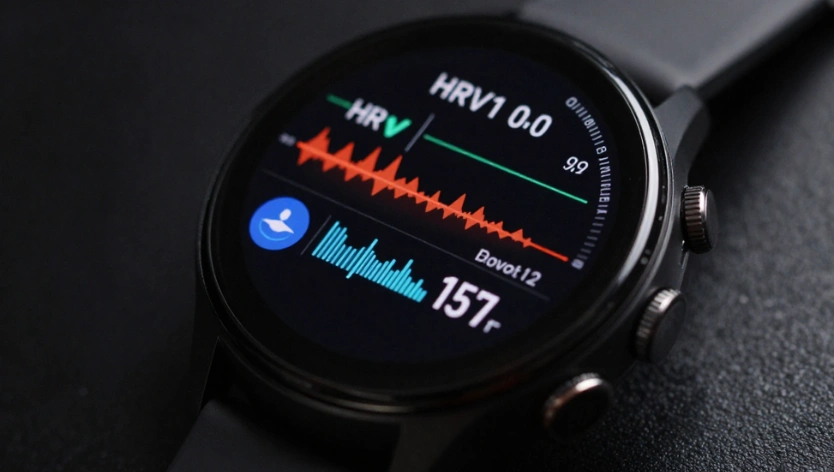
Now, when you wake up and check your device, it doesn’t just tell you how long you slept. It might tell you that your recovery score dropped compared to last week. It might suggest taking it easy. It might detect subtle shifts in your resting heart rate and hint that your body is under stress. That’s predictive analytics at work.
Instead of simply presenting raw numbers, AI models interpret patterns, patterns you wouldn’t notice on your own. And that changes everything.
What AI Powered Wearable Technology Really Means
At its core, AI-powered wearable technology is about pattern recognition.
Your wearable constantly collects signals:
- Heart rate
- Movement
- Temperature
- Blood oxygen
- Sleep cycles
- Heart rate variability (HRV)
Individually, those numbers don’t mean much. But over weeks and months, they form a personal health fingerprint. AI algorithms analyze this fingerprint and build a baseline, your baseline. Not an average person’s. Yours.
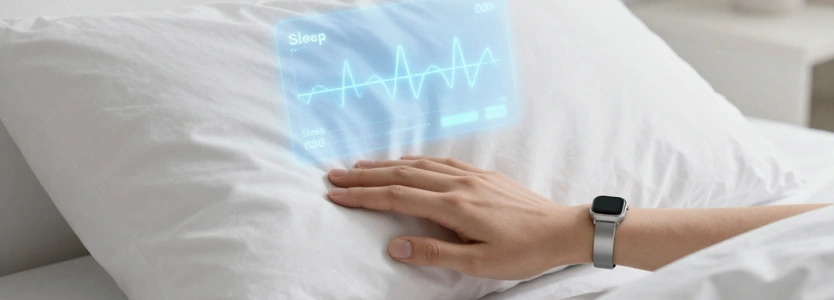
So when something shifts, even slightly the system notices. That’s when predictive analytics kicks in. It can flag fatigue before you feel it. It can warn you that recovery isn’t complete. It can suggest adjusting training intensity. Sometimes, it can even detect early signs of illness. The device is no longer passive. It’s observant.
Read More: Why It Matters and How to Protect Your Personal Health Data
Training Is Getting Smarter, Not Harder
For years, the fitness world glorified intensity. Push harder. Go longer. Do more. But anyone who trains seriously knows that progress depends just as much on recovery as it does on effort. This is where AI-powered wearables shine.
Devices like the WHOOP Strap analyze strain, sleep, and HRV to generate daily recovery scores. Instead of guessing whether you’re ready for another heavy session, you get a data-backed recommendation. Similarly, advanced models from Garmin assess training load and recovery time, helping endurance athletes balance performance with sustainability.
It feels like having a coach who never misses a detail. And perhaps more importantly, one who doesn’t let ego override biology.
Read More: What Is a Wearable Fitness Monitor and How Do You Choose the Right One
Sleep Is No Longer Just “Hours in Bed”
Most people underestimate sleep until a wearable starts breaking it down.
Modern devices analyze:
- Deep sleep
- REM cycles
- Restlessness
- Respiratory patterns
- Temperature changes
The Oura Ring, for example, has become widely respected for how it translates overnight biometrics into a readiness score the next morning. You begin to see connections.
Poor sleep? Recovery dips. Stressful week? HRV drops. Late meals? Restlessness increases. Predictive analytics ties it together. Sleep stops being an afterthought and becomes a performance lever.
When Wearables Start Anticipating Health Risks
One of the most compelling developments in AI-powered wearable technology and predictive analytics is its potential in preventive health.
Some wearables now alert users to irregular heart rhythms or unusual blood oxygen fluctuations. The Apple Watch Series 10, for example, integrates heart rhythm notifications alongside its broader ecosystem of health tracking features. These alerts aren’t diagnoses. But they’re signals.
And early signals can matter. As algorithms improve, devices are beginning to identify patterns that precede symptoms, elevated resting heart rate before a fever, suppressed HRV before burnout, subtle oxygen changes during sleep.
It’s not science fiction anymore. It’s quietly happening on wrists and fingers around the world.
The Power of Multiple Sensors Working Together
What makes predictive wearables powerful isn’t just one sensor. It’s the fusion of many.
Heart rate alone doesn’t tell the whole story. Neither does sleep duration. But when heart rate variability, movement, temperature, and oxygen levels are analyzed together, patterns become clearer. AI thrives on complexity. The more context it receives, the better it predicts.
And as hardware improves, the predictive models get sharper.
Read More: How Wearables Connect With Your Smart Home
The Subtle Rise of Intelligent Coaching
There’s something interesting happening in fitness culture.
Instead of relying solely on external trainers or rigid plans, people are increasingly trusting wearable-driven recommendations. A readiness score might suggest a recovery day. A strain metric might encourage pushing slightly harder. A sleep forecast might prompt an earlier bedtime.
These small nudges, repeated daily, compound over time. The wearable becomes a quiet coach, one that doesn’t shout, but steadily guides.
Not Perfect, But Progressing
Of course, AI-powered wearable technology and predictive analytics aren’t flawless.
There are valid concerns:
- Data privacy
- Occasional false positives
- Variability in sensor accuracy
- Limited medical validation in some cases
But it’s important to remember how quickly this field is evolving. Older models focused on counting steps. Today’s models interpret stress loads and recovery curves. Five years from now? Prediction may feel even more seamless.
The Market Is Responding
Consumer expectations have shifted. People now look for:
- Recovery metrics
- Readiness scores
- Sleep insights
- Health alerts
- Long battery life
- Real-time performance modeling
Devices that only count steps feel outdated. Intelligence is the new standard. And brands that fail to integrate AI-driven predictive systems risk falling behind.

What This Means for the Future of Smart Wearables
If your broader vision of the future involves wearables becoming daily companions, not just accessories, then AI is the engine powering that transformation. The future isn’t about bigger screens or shinier stainless steel cases. It’s about smarter insights.
Imagine wearables that:
- Detect illness days before symptoms
- Predict injury risk before it occurs
- Monitor emotional strain patterns
- Suggest nutrition adjustments based on biometrics
That trajectory feels realistic, not distant. AI-powered wearable technology and predictive analytics are already laying the foundation.
The Real Shift: From Reactive to Preventive
Perhaps the most profound change is philosophical. Old wearables told you what happened. New wearables ask what might happen. That shift from reactive tracking to predictive intelligence reframes health entirely. Instead of responding to problems, we begin to anticipate them. Instead of pushing blindly, we train strategically. Instead of guessing about recovery, we measure it.
And slowly, wearable technology becomes less about convenience and more about awareness.
FAQ: AI-Powered Wearables & Predictive Health Tech
1. What is AI-powered wearable technology and predictive analytics?
AI-powered wearable technology and predictive analytics refer to smart devices like watches, rings, and fitness bands that use artificial intelligence to analyze your health data in real time. Instead of just counting steps, these devices detect patterns in heart rate variability (HRV), sleep cycles, stress levels, oxygen saturation, and activity trends to predict fatigue, overtraining, illness risk, or recovery readiness.
They don’t just track your data, they interpret it and tell you what to do next.
2. How is AI different from basic fitness tracking?
Traditional fitness trackers record raw data such as steps, calories, and workout duration. AI-driven wearables go several steps further:
Identify trends over weeks and months
Detect abnormal physiological changes
Provide readiness or recovery scores
Suggest rest days or training intensity adjustments
Predict potential health risks
The difference is insight versus information. AI transforms numbers into decisions.
3. Are AI-powered wearables accurate?
Accuracy depends on the sensor quality, placement (wrist vs. finger), and the algorithm model used. Premium devices that leverage advanced machine learning models and continuous biometric monitoring tend to deliver highly reliable trends over time.
While no wearable replaces clinical diagnostics, AI-enhanced devices are increasingly validated against medical-grade benchmarks especially for sleep tracking, HRV, and heart rate monitoring.
For best results, consistency matters more than perfection. The real power lies in long-term trend analysis.
4. Which AI-powered wearables offer the best predictive insights?
Some of the most recognized AI-forward devices include:
WHOOP – Known for recovery analytics and strain optimization
Oura Health (Oura Ring) – Exceptional sleep and readiness scoring
Apple Inc. (Apple Watch with AI integrations) – Comprehensive ecosystem-driven health insights
Samsung Electronics (Galaxy Watch series) – AI-enhanced wellness and performance tracking
Each device approaches predictive analytics differently—some prioritize recovery, others performance or lifestyle optimization.
5. Can AI wearables actually predict illness or health risks?
AI models in modern wearables can detect early physiological changes—like elevated resting heart rate, reduced HRV, or altered sleep patterns—that may indicate stress, overtraining, or the onset of illness.
They don’t diagnose diseases. But they can provide early warning signals, allowing you to act sooner. That early awareness is where predictive analytics becomes powerful.
6. Do smart rings work as well as smartwatches?
Smart rings excel in passive biometric tracking especially sleep, HRV, and recovery metrics because finger-based sensors often capture pulse signals more precisely during rest.
Smartwatches, on the other hand, typically provide:
On-screen workout metrics
GPS tracking
Real-time activity feedback
App integrations
If your goal is deep recovery intelligence, rings are strong contenders. If you want live workout feedback and broader functionality, watches may be better.
7. Does AI-based automatic workout detection really work?
Yes, modern AI-powered devices use motion sensors, heart rate patterns, and movement recognition to automatically detect activities like walking, running, cycling, or strength training.
However, performance may vary for:
Mixed workouts
High-intensity interval training
Niche sports
Most advanced wearables continuously improve detection accuracy through software updates and machine learning refinement.
8. Will AI wearables replace doctors or medical tests?
No. AI wearables are wellness tools, not medical substitutes.
They are designed for:
Preventive awareness
Lifestyle optimization
Fitness performance tracking
Early anomaly detection
Clinical evaluation remains essential for medical diagnosis and treatment.
Think of AI wearables as proactive companions not replacements for healthcare professionals.
9. Is predictive analytics worth the investment?
If you train seriously, manage stress intentionally, or want long-term health visibility, predictive analytics can be transformative.
It helps you:
Avoid overtraining
Optimize recovery windows
Improve sleep quality
Make smarter lifestyle adjustments
Detect early signs of burnout
For casual users, basic tracking may be enough. For performance-focused or health-conscious individuals, AI-powered insights are often worth the premium.
10. What should I prioritize: fitness accuracy or recovery analytics?
The answer depends on your goal:
Training for performance → prioritize workout accuracy + strain metrics
Improving longevity and stress management → prioritize recovery analytics + sleep intelligence
Balanced lifestyle → choose a device offering both
The smartest approach is selecting a wearable aligned with how you live—not just how you train.
11. Do AI wearables improve over time?
Yes and that’s one of their biggest advantages. Because AI models learn from aggregated data and software updates, many wearables improve via firmware enhancements without requiring new hardware. Your device becomes smarter the longer you use it, especially as it learns your baseline metrics.
12. Are AI-powered wearables safe with personal data?
Most leading wearable brands use encrypted data storage and privacy-compliant cloud systems.
However, always review:
Data sharing policies
Third-party integrations
Health data export options
Privacy standards vary by brand, so informed selection is important.
Final Takeaway
AI-powered wearable technology and predictive analytics are no longer futuristic concepts, they are reshaping how individuals approach fitness, recovery, and preventive health.
If you value smarter training, deeper recovery insights, and long-term wellness awareness, investing in AI-driven wearables can fundamentally change how you interpret your body’s signals. The future of health isn’t just about tracking movement.
It’s about understanding meaning.
[…] Read More: How AI-Powered Wearable Technology and Predictive Analytics Are Shaping the Future of Smart Wearable… […]
[…] Read More: AI-powered wearable technology and predictive analytics […]
doxycycline nhs
doxycycline nhs
zyvox generic
zyvox generic